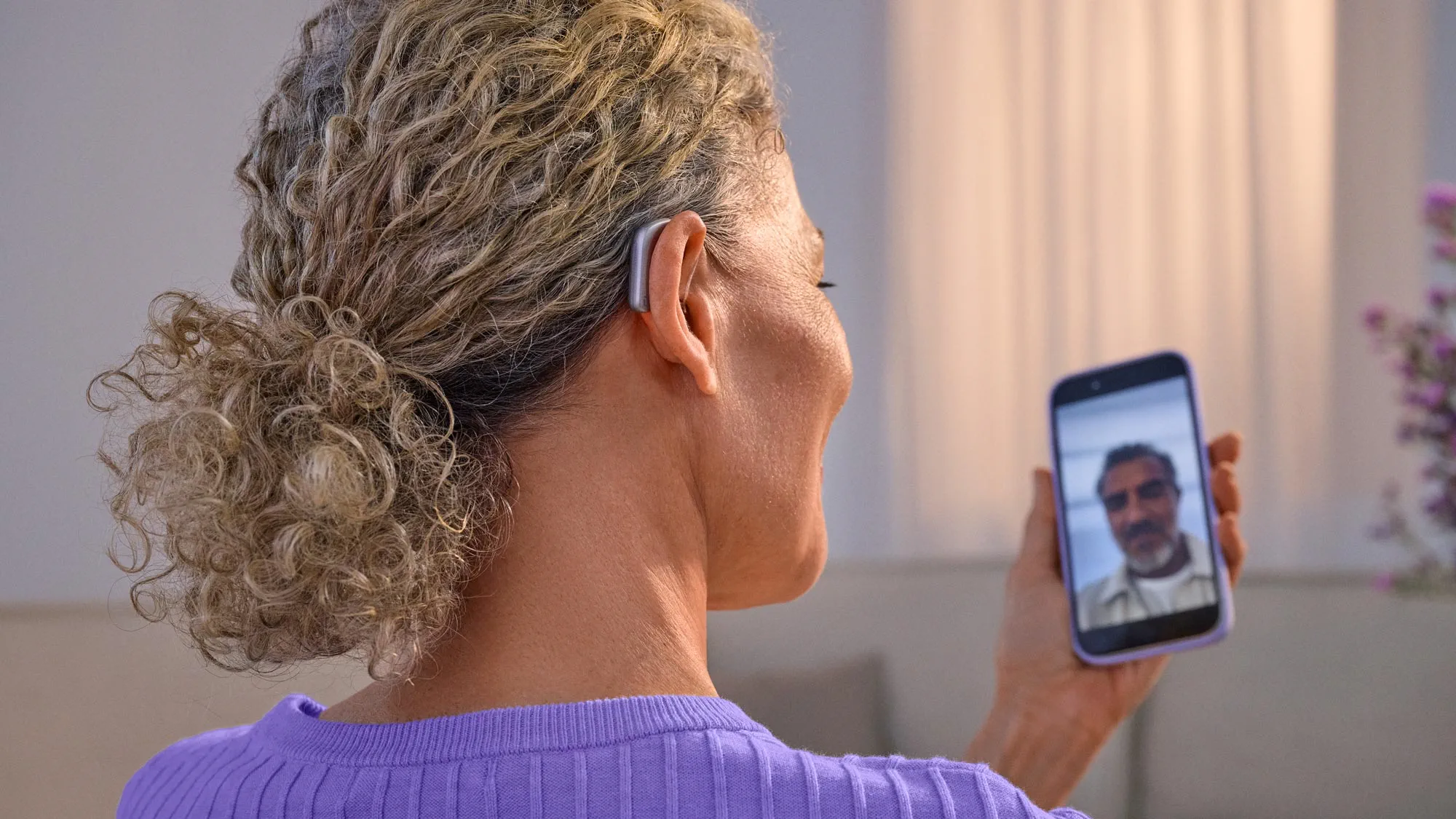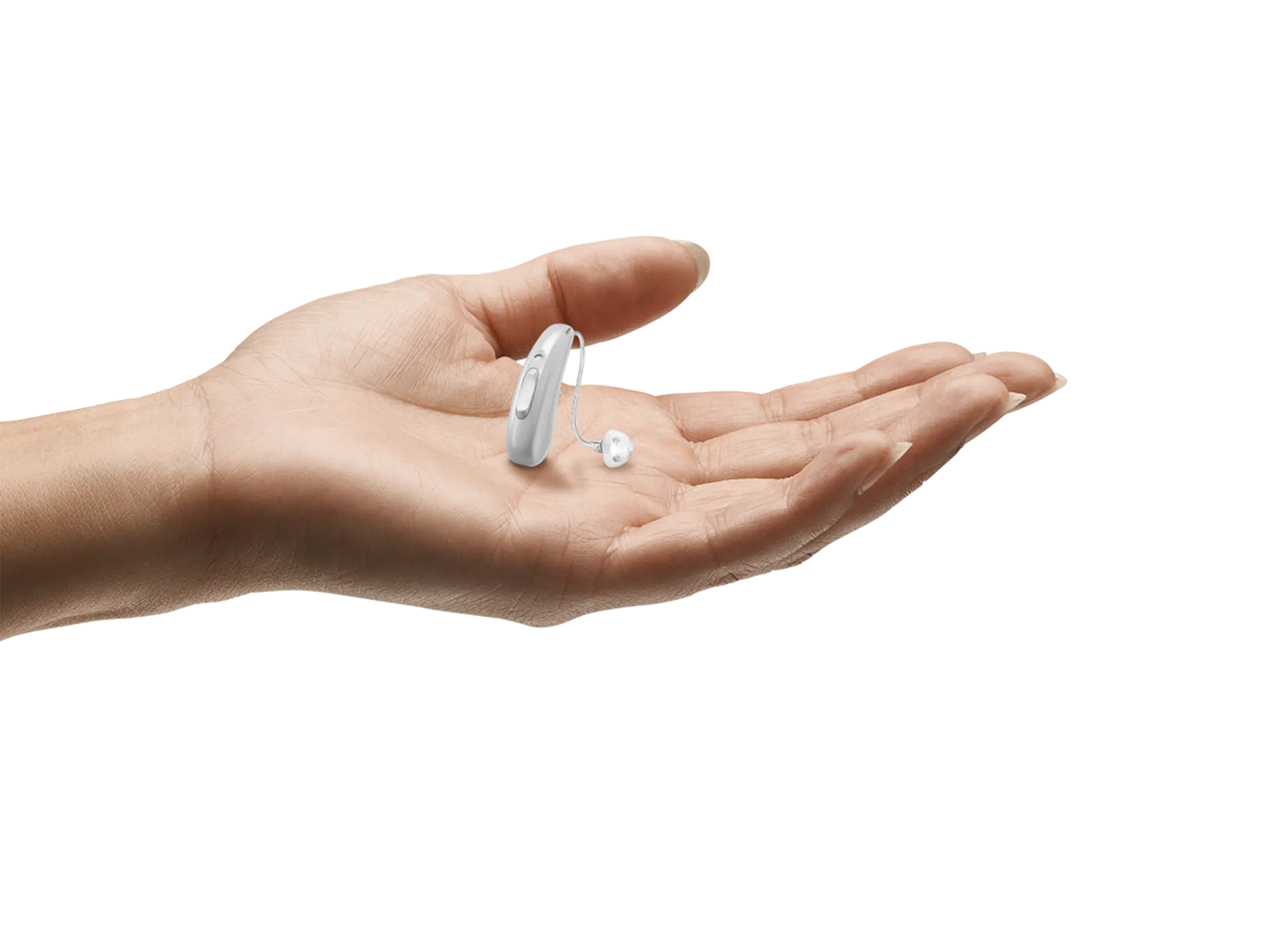

What are OTC Hearing Aids?
OTC hearing aids are medical devices designed for adults with perceived mild to moderate hearing loss.
Unlike traditional hearing aids, they don’t require a hearing test, prescription, or professional fitting. You can purchase OTC hearing aids directly online or over the counter at a hearing care center.
Here are the key benefits of over counter hearing aids:

No prescription or hearing test required

Easy to buy online or in-store

Lower cost than prescription hearing aids

Adjustable settings for personal comfort
OTC vs. Prescription Hearing Aids
Feature
Feature
OTC Hearing Aids
Best For
Best For
Price Range
Price Range
Customization
Customization

OTC Hearing Aids vs. Personal Sound Amplification Products
OTC hearing aids and personal sound amplification products (PSAPs) may look similar, but they are designed for different purposes.
OTC hearing aids are medical devices designed for adults 18 and older with perceived mild to moderate hearing loss. They are intended to make sounds easier to hear and understand in everyday life.
Personal sound amplification products (PSAPs) are not hearing aids or medical devices. They are intended for people with normal hearing who want to amplify sounds in certain situations, such as during recreational activities.
If you're experiencing hearing difficulties, a PSAP isn't a substitute for a hearing aid or a professional hearing evaluation.
When to See a Hearing Care Professional First
OTC hearing aids are designed for adults with perceived mild to moderate hearing loss, but some hearing concerns should be evaluated before choosing an OTC device.
Talk with a Hearing Care Professional or doctor if you experience:
- A sudden or rapid change in your hearing
- Hearing loss that is noticeably worse in one ear
- Ear pain or discomfort
- Fluid, blood, or other drainage from your ear
- Frequent dizziness or a spinning sensation (vertigo)
- Excessive earwax or a suspected blockage in your ear
These symptoms may have an underlying cause that should be evaluated before you start using hearing aids.

OTC Hearing Aid Buyer’s Checklist
Check the labeling
Make sure the product is clearly labeled as an OTC hearing aid and review the information provided about who it is designed for, how to use it, and important warnings.Understand how the hearing aids are adjusted
Some OTC hearing aids offer self-fitting features that let you personalize the device to your hearing needs. Check how adjustments are made and whether you can fine-tune settings yourself.Check the app requirements
Find out whether you need a smartphone or companion app to set up, adjust, or use certain features of the hearing aids. Check that the app is compatible with your device.Consider charging and battery life
Check whether the hearing aids are rechargeable or use replaceable batteries, how long a charge typically lasts, and what charging accessories are included.Know what support is available
Look at the type of customer support offered if you need help with setup, troubleshooting, adjustments, or everyday use.Review the return policy
Check how long you have to try the hearing aids, whether returns are refundable, and whether any fees or conditions apply.Understand the warranty
Review how long the warranty lasts and what it covers, including repairs, replacements, and potential exclusions.

Buying, Eligibility and Safety, and Setup and Support
How do I know if OTC hearing aids are right for me?
How much do OTC hearing aids cost?
Which OTC hearing aid is best?
There isn't one OTC hearing aid that's best for everyone. The right choice depends on your hearing needs, lifestyle, comfort preferences, and the features that are important to you.
When comparing OTC hearing aids, consider:
- Fit and comfort: Look for a style you'll be comfortable wearing regularly.
- Self-fitting and adjustments: Consider how easily you can personalize the hearing aids to your hearing needs.
- Technology and app requirements: Check whether an app or compatible smartphone is needed for setup or adjustments.
- Battery and charging: Compare rechargeable and replaceable-battery options and consider how long the battery typically lasts.
- Everyday features: Think about features that matter to you, such as Bluetooth connectivity, background noise management, or different listening programs.
- Customer support: Check what help is available if you have questions about setup, adjustments, or troubleshooting.
- Return policy and warranty: Review how long you have to try the hearing aids, the return conditions, and what the warranty covers.
If you're unsure which type of hearing aid is appropriate for your hearing needs, a professional hearing screening can help you understand your options.
Are OTC hearing aids regulated by the FDA?
Are over the counter hearing aids worth it?
Can I buy hearing aids without a prescription or hearing-care professional?
Yes. If you're 18 or older and have perceived mild to moderate hearing loss, you can purchase OTC hearing aids without a prescription, medical exam, or fitting by a hearing care professional.
However, a professional hearing screening can help you better understand the type and degree of your hearing loss and which hearing solution may be appropriate for your needs. Prescription hearing aids are available through licensed hearing care professionals and can be fitted and programmed based on your individual hearing needs.
If you have more severe hearing loss or certain symptoms, such as sudden hearing changes, ear pain, drainage, or dizziness, you should seek professional or medical care before choosing a hearing aid.