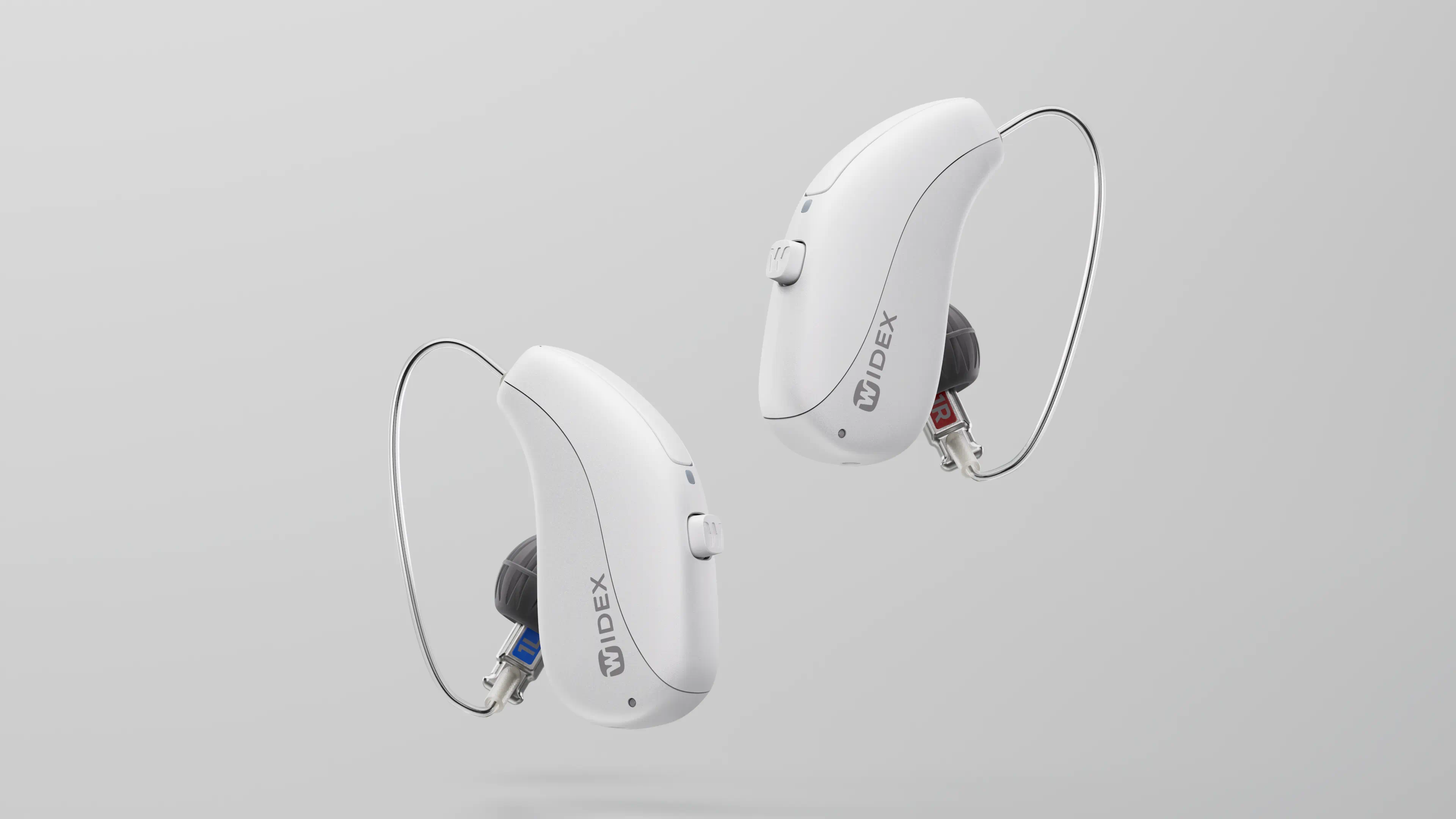
Hearing Aid Troubleshooting: 6 Common Problems and How to Fix Them


- Most hearing aid problems are caused by flat batteries, moisture, earwax buildup, or poor fit, and can be resolved with basic at-home maintenance.
- Cleaning devices regularly and checking power before assuming a fault prevents unnecessary repairs or replacements.
- Persistent problems including pain, distorted sound, or issues following water exposure require a professional hearing aid check-up.
Hearing Aid Troubleshooting
Quick Guide: 6 Common Hearing Aid Problems at a Glance
Why Are My Hearing Aids Not Working?
Problem 1: Power and Charging Problems
What’s happening
One or both hearing aids won’t turn on, they cut out, or shut down.
Why it happens
It’s usually caused by low or depleted batteries, poor charging contact, or moisture and debris affecting the device.
How to fix it
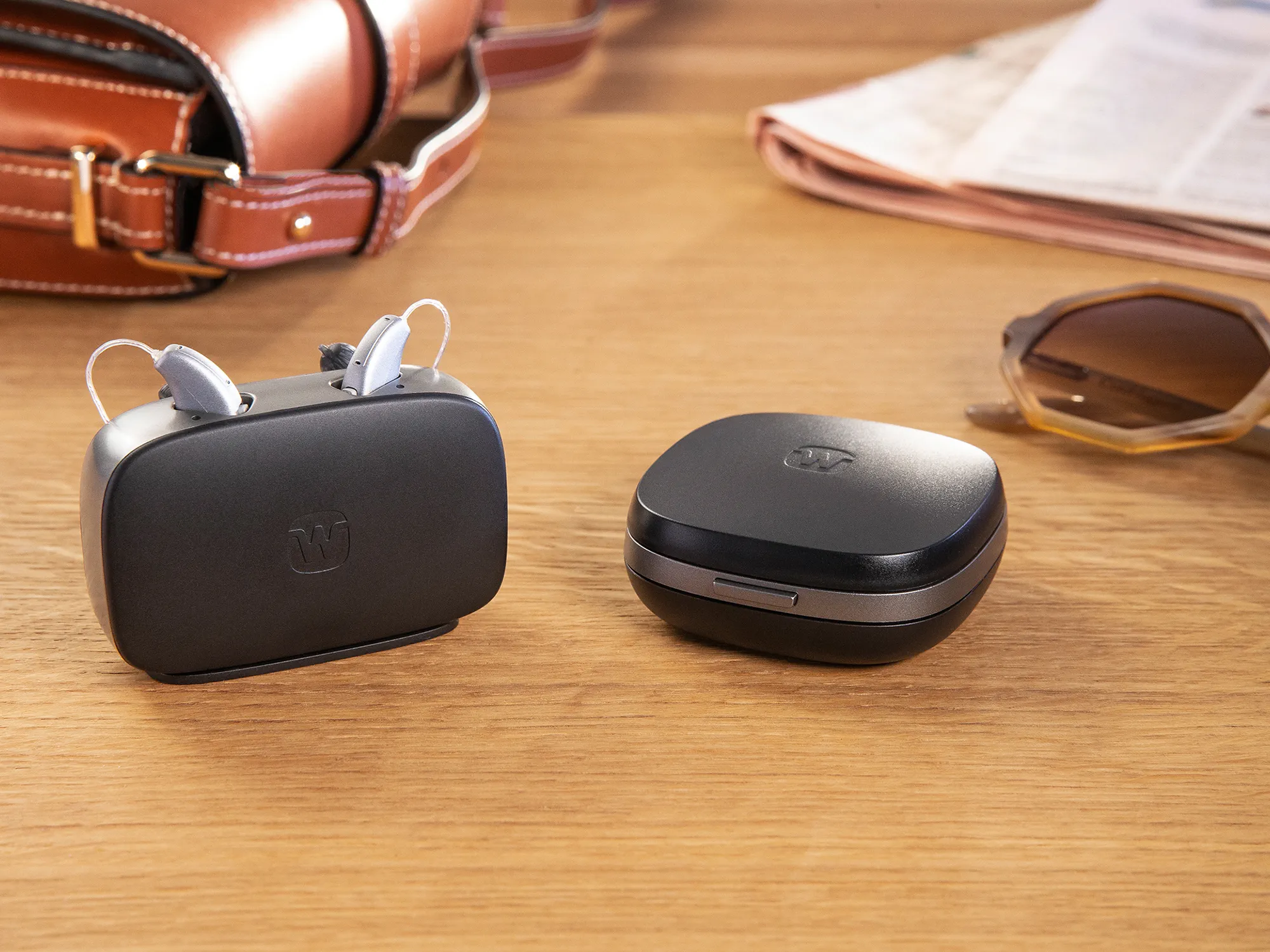
For rechargeable hearing aids, wipe charging contacts with a clean, dry cloth, sit the devices firmly in the charger, and check indicator light is on. Charge fully.
With disposable batteries, replace with fresh batteries and make sure they are inserted correctly. If the device still fails, try booking a check-up with your hearing care professional.

Problem 2: Moisture Damage
What’s happening
Your devices sound distorted, work intermittently, or stop functioning entirely1.
Why it happens
Humidity, sweat or water exposure can affect the delicate electronics inside hearing aids.
How to fix it
Remove the hearing aid and dry it gently with a microfiber cloth.
Use a dehumidifier or drying kit before wearing the devices again.
Store your devices in a dry place when not in use and never use heat from a hair dryer or heater, as this can cause damage.

Problem 3: Earwax Blockage
What’s happening
Sound is weak, muffled, distorted, or absent.
Why it happens
Earwax can clog the wax guard, sound outlet, ear tip, or microphone. This is one of the most common reasons hearing aids don’t work properly.
How to fix it
Clean ear tips and replace wax guards regularly.
If sound is still weak after cleaning, ask a hearing care professional to check both the device and your ears.


Problem 4: Perceived Hissing or Static Noise
What’s happening
You hear low-level hissing or static while wearing your hearing aids.
Why it happens
Small, internal electronic noise may become more noticeable when the hearing aid is set to a higher amplification level. It’s more commonly noticed by people with greater hearing loss or those who are new to wearing hearing aids.
How to fix it
A hearing care professional may be able to adjust your devices.
Some sound awareness is part of amplification, especially during the adjustment period.
Problem 5: Discomfort and Irritation
What's happening
Pain, itching, pressure, or soreness in the ear canal.
Why it happens
The hearing aid casing, earmold, or dome may be rubbing against the skin. In some cases, irritation may be linked to material sensitivity.
How to fix it
Don’t push through pain. A hearing care professional can advise on your earmold, change dome size, suggest ear gel for comfort, or explore hypoallergenic materials if needed.

Problem 6: Difficulty Adapting to Amplified Sounds
What’s happening: Everyday sounds feel too sharp, loud or overwhelming, or your voice sounds ‘boomy’. Background noise may feel harder to manage than expected.
Why it happens
Hearing aids amplify environmental sounds as well as speech. If your brain has spent years receiving reduced sound input, it can take time to readjust.
How to fix it
If you’re wearing devices for the first time, start gradually, have patience, and persevere.
Wear them for a few hours each day, then increase wear time over the following weeks. If the experience still persists after months of adjustment, speak to your hearing care professional about further adjustments.

Need Expert Help?
Sources:
1. The Hearing Journal: Moisture in Hearing Instruments: Problematic, Prevalent, and Professionally Preventable (2022): researchgate.net/publication/358990722_Moisture_in_Hearing_Instruments_Problematic_Prevalent_and_Professionally_Preventable
2. Widex: 5 reasons why your hearing aids are whistling widex.com/en-sg/blog/global/5-reasons-why-your-hearing-aids-are-whistling/