
What If Hearing Aids Make My Ears Itch?
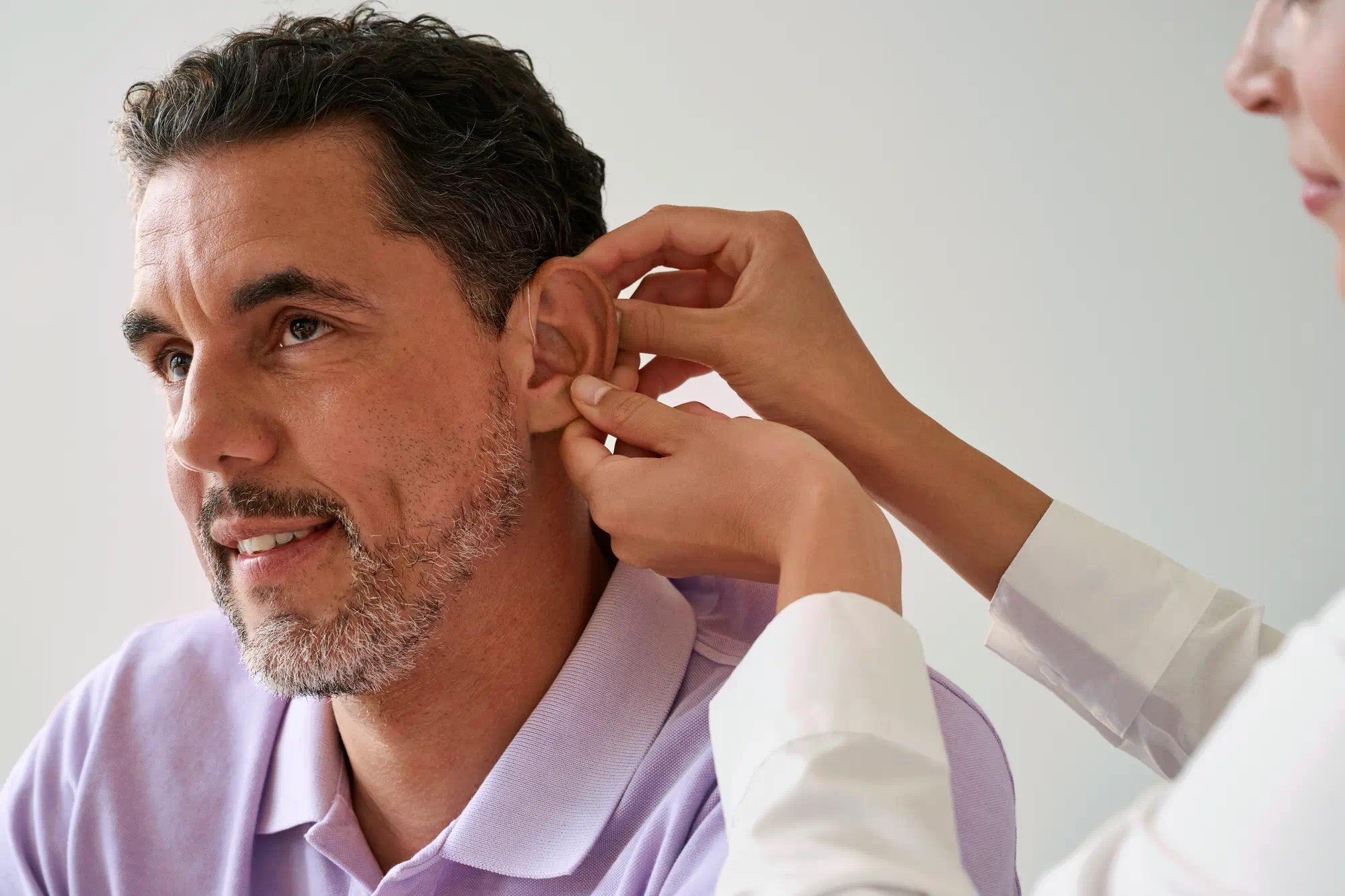
The Connection Between Hearing Aids and Itchy Ears
Why Hearing Aids Can Make Your Ears Itchy

Normal Adjustment Period for New Users
Just like how your brain needs time to adjust to hearing sound clearly again with hearing aids, your ears need time to adjust to the feeling of the actual devices.
The first step to overcoming the sensation is to stick to your prescribed wearing schedule. In the beginning, start slowly and increase wear time slowly each day.
It’s also OK to take a break. However, be sure to follow your wearing schedule as much as possible as your ears will adjust faster.

Skin Sensitivity Inside the Ear Canal
Because you’re introducing something new into your ear, your sensitive ear canals may feel irritated and itchy as your skin adjusts.
Consistent use helps your brain and skin adapt more quickly, so the irritation will fade as you become more comfortable with them.

Moisture and Airflow Changes
Inserting hearing aids into an already humid environment can lead to trapped moisture and block airflow, making it easy for germs to grow and thrive.
Cleaning hearing aids regularly and letting your ears breathe overnight are important rules to follow to avoid issues that can contribute to itching.
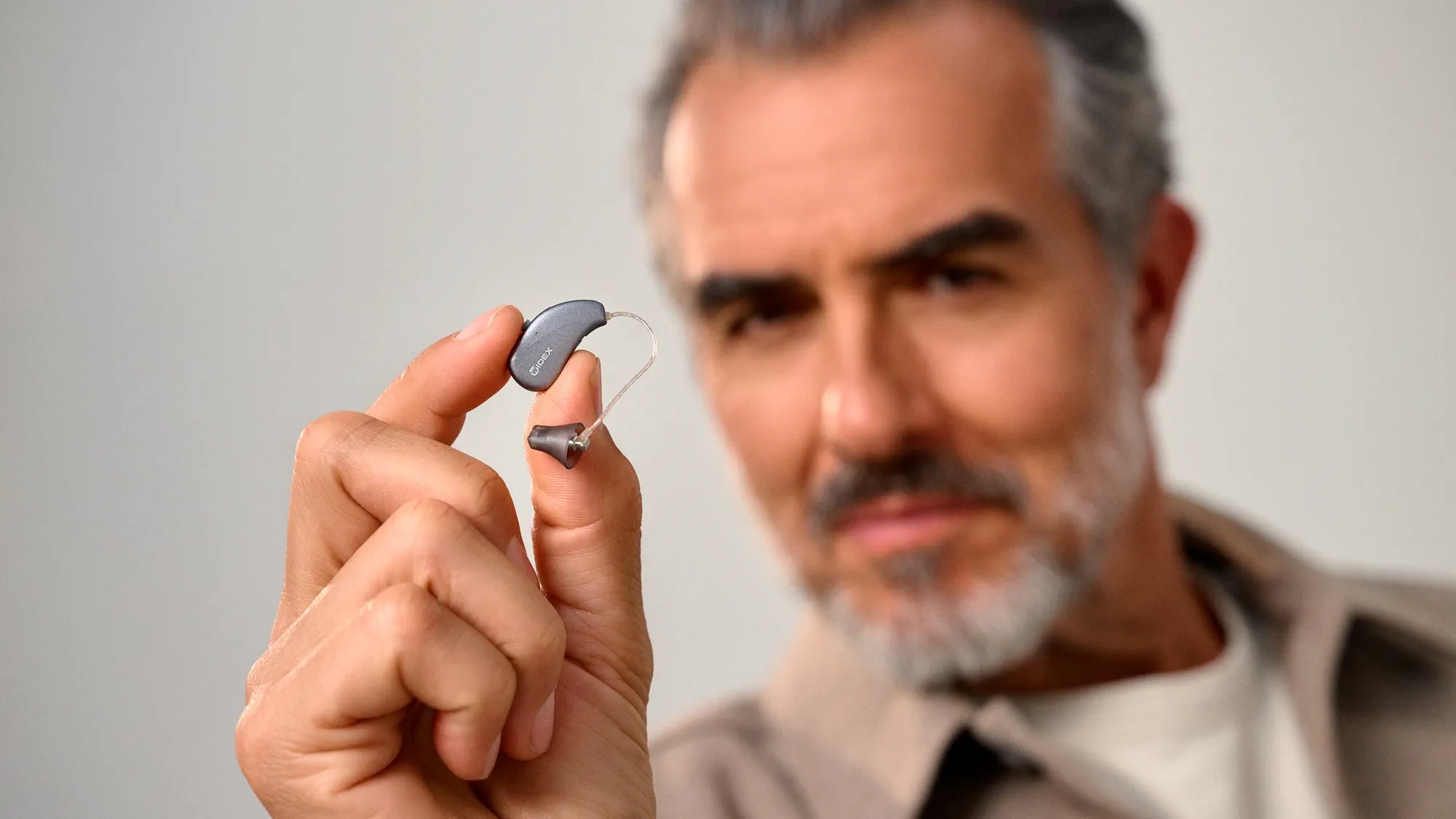
4 Common Causes of Itchy Ears
Other Common Causes Like Dry Skin, Wax, and Poor Fit
Dry or irritated skin
Ears are very sensitive, and as mentioned above, the simple presence of the device can cause a tickling sensation.
Also, if your ears are dry and don’t have much natural moisture, hearing aids can lead to friction and irritation.
Earwax buildup and debris
While earwax protects your ears, hearing aids can sometimes block its natural exit. This can cause buildup and even pushing wax deeper into the canal, triggering uncomfortable itching.Ill-fitting hearing aids or domes
Hearing aids that don’t fit right can cause constant friction. If too loose, they may slide around and "tickle" the skin; if too tight, they can create itchy pressure points.
“If your hearing aids are old and don’t seem to fit or work properly anymore, it may be time to replace the domes or consider a better-fitting pair. Domes (silicone earpieces) should typically be replaced every 4–6 months, or sooner if they become loose or show signs of cracking, tearing, or discoloration, to ensure comfort, hygiene, and optimal performance.
Allergic reactions to materials
Some wearers may experience an allergic reaction to plastics or metals in the hearing aid itself. In these cases, the body may respond with redness, swelling, and itching.
If the itchiness is persistent, especially if it’s accompanied by discharge, a foul odor, or pain, it’s important to consult a physician to ensure your ear canals stay healthy.

Home Remedies for Itchy Ears
How to Stop Itching From Hearing Aids at Home
- 1.
Clean your hearing aids properly
Cleaning your hearing aids the right way can help you avoid dirt and bacteria from building up in and on your devices and getting into your ears.
Be sure to follow the cleaning instructions recommended for your devices or by your hearing aid specialist. No matter what type of hearing aid you have:
- Always use a soft cloth to wipe away wax and debris nightly.
- Use the wax kit and other tools made for your hearing aids.
If someone you love wears hearing aids, your support support and gentle reminders can help them keep up with regular cleanings.
- 2.
Use ear-safe moisturizing drops (if recommended)
You can get moisturizing anti-itch ear drops from a local retail store near you.
These drops, which help soothe irritated skin and reduce inflammation, are available over the counter without a prescription.
- 3.
Adjusting wear time during irritation
It’s OK to take a break from your hearing aids if your ears won’t stop itching. Remove your devices for a few hours and try again later, as that may provide the relief you need. - 4.
Avoid using cotton swabs or scratching
Be sure not to stick anything foreign into your ear in an attempt to “scratch the itch.” This can push wax and debris further into your ear, causing additional issues.
3 Reasons You Need Professional Care
When to See a Hearing Care Professional
If you’ve been dealing with itchy ears for a while or are experiencing worsening symptoms, your hearing care specialist can examine your ears and provide the proper diagnosis.
Keep an eye out for persistent redness or swelling, as well as pain, discharge, or infection signs.
If there’s no infection, you may need a hearing aid refitting or dome adjustment to ensure the proper fit and alleviate the issue.

Don't wait!
How to Take Care of Your Ears to Avoid the Itch
How to Prevent Itchy Ears With Hearing Aids Long-Term
Keep Up With Maintenance
Every day, you should wipe down your devices with a soft, dry cloth to remove any oils, skin cells, or wax. Consistency goes a long way in preventing irritation. By following proper care instructions, you can make sure that bacteria doesn't have a chance to grow on the device - one of the most common triggers for long-term itchiness.
Moreover, regular hearing aid checkups are important. Your hearing specialist can examine and clean your ears, check for hearing aid fit issues, and make adjustments as needed. They can also look for signs of skin irritation and infections and provide treatment earlier, if needed, before conditions get too painful.

Gentle Materials & Sweat Control
Some standard materials used in hearing aids can cause reactions, especially for sensitive ears, but devices made from medical-grade, hypoallergenic materials may help reduce irritation. You can also speak with your hearing specialist about applying a protective coating that creates a barrier between the device and your skin.
To further prevent bacteria buildup and itching, keep both your ears and hearing aids as dry as possible: wear a sweatband or wipe away moisture during exercise, remove your devices before showering or swimming and dry your ears thoroughly before reinserting them, and use a hearing aid dehumidifier or drying kit overnight.

FAQs
Frequently Asked Questions
Is it normal for hearing aids to make my ears itch at first?
Yes, it’s normal for hearing aids to make your ears itch at first. The skin inside your ear needs time to adjust to the sensation of the physical device.
If the itchiness continues for some time and you have redness or swelling, see your hearing care specialist for an exam.
Can hearing aids cause ear infections?
Hearing aids themselves don’t cause infections, but poor cleaning and maintenance can increase the risk. Be sure to follow a regular cleaning routine and visit your hearing specialist for checkups.
If you have an active ear infection, avoid wearing your hearing aids until it has fully cleared, as using them during this time can worsen symptoms.
Should I stop wearing my hearing aids if my ears itch?
If your hearing aids are making your ears itch, it’s OK to take a break from them. However, following your prescribed wear time will help your ears adjust faster.
If the itch is ongoing for weeks or months, see your hearing care specialist so they can identify the potential cause.
Can ear drops help with itchy ears from hearing aids?
How can I prevent irritation in the future?
To prevent future irritation:
- Clean your hearing aids properly and regularly.
- See your hearing care specialist to ensure your devices fit properly and for regular checkups.
- Use moisturizing ear drop if needed and recommended.
- Manage moisture and sweat to keep your hearing aids dry.
- Remove your hearing aids when you sleep to let your ears breathe and recover.
- Avoid using cotton swabs and other items to scratch your ear.
- If you have sensitive skin, choose hearing aids made with hypoallergenic materials.