
Why Do Hearing Aids Make My Voice Sound Weird?
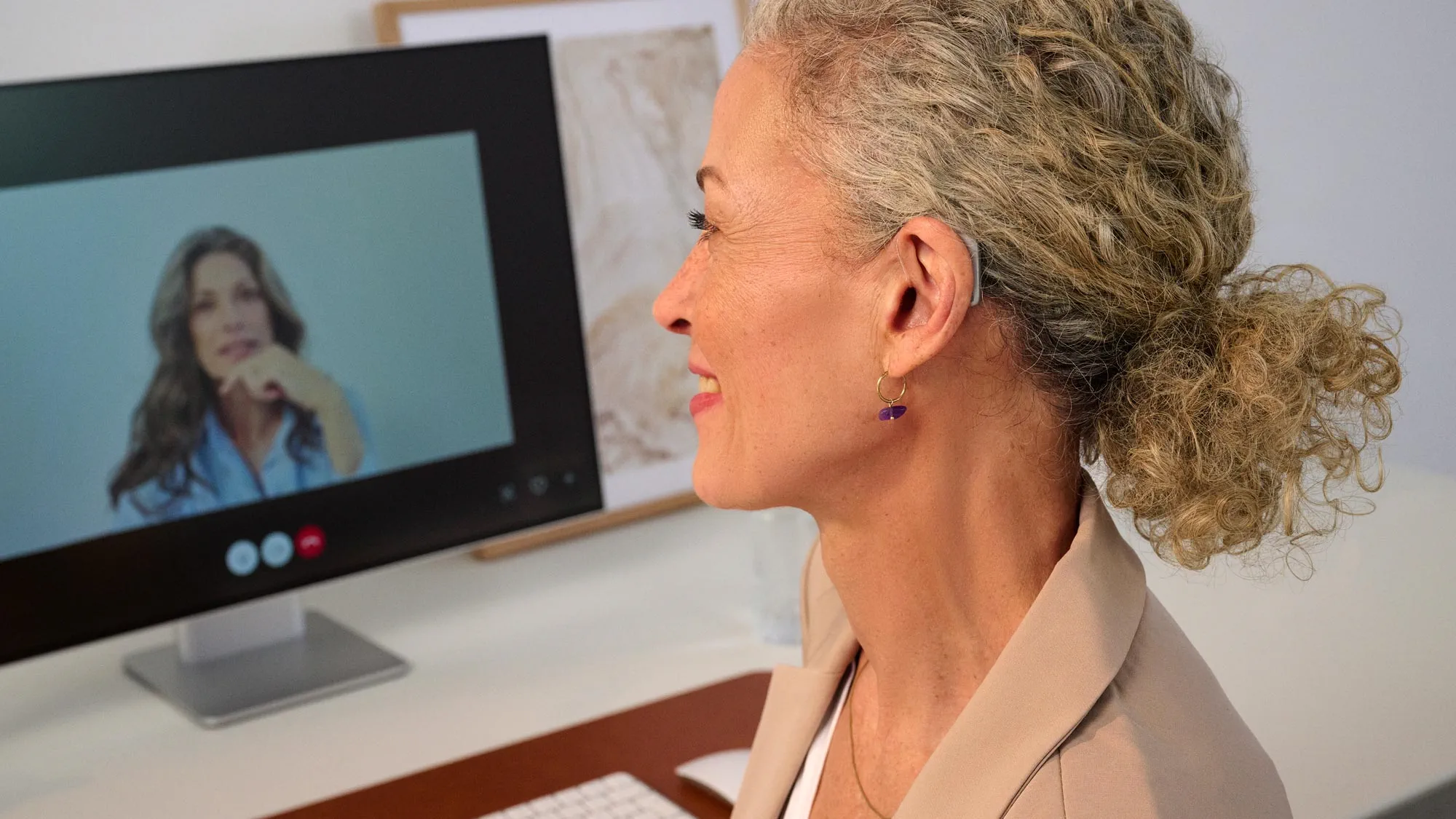

- Your voice can sound louder, hollow, or echoey at first due to the ‘occlusion effect’.
- This is common and typically improves over the first few weeks as your brain adapts, and fittings are fine-tuned.
- Venting, open-fit domes, and small programming tweaks reduce the effect. Ask your hearing care professional to help.
Understanding the Hearing Aid Occlusion Effect
Is It Normal for Your Voice to Sound Weird With Hearing Aids?
Yes, your voice may sound different when you first start wearing hearing aids. It’s very common for your voice to suddenly sound ‘boomy’, hollow, or too loud with new hearing aids. It has a name, the occlusion effect, and it’s temporary for most people.
The occlusion effect happens because something (like a hearing aid, earplug, or a blocked ear canal) is closing off the ear, so sound from your voice can’t escape normally. Instead, it vibrates inside your ear and sounds exaggerated.
It’s helpful to know that simple adjustments and a short settling-in period usually resolve the ‘boomy’ voice sensation1.
If your voice still sounds ‘boomy’ or hollow, book an appointment with an audiologist to fine-tune your hearing aids and help it sound more natural.
What Is the Occlusion Effect?
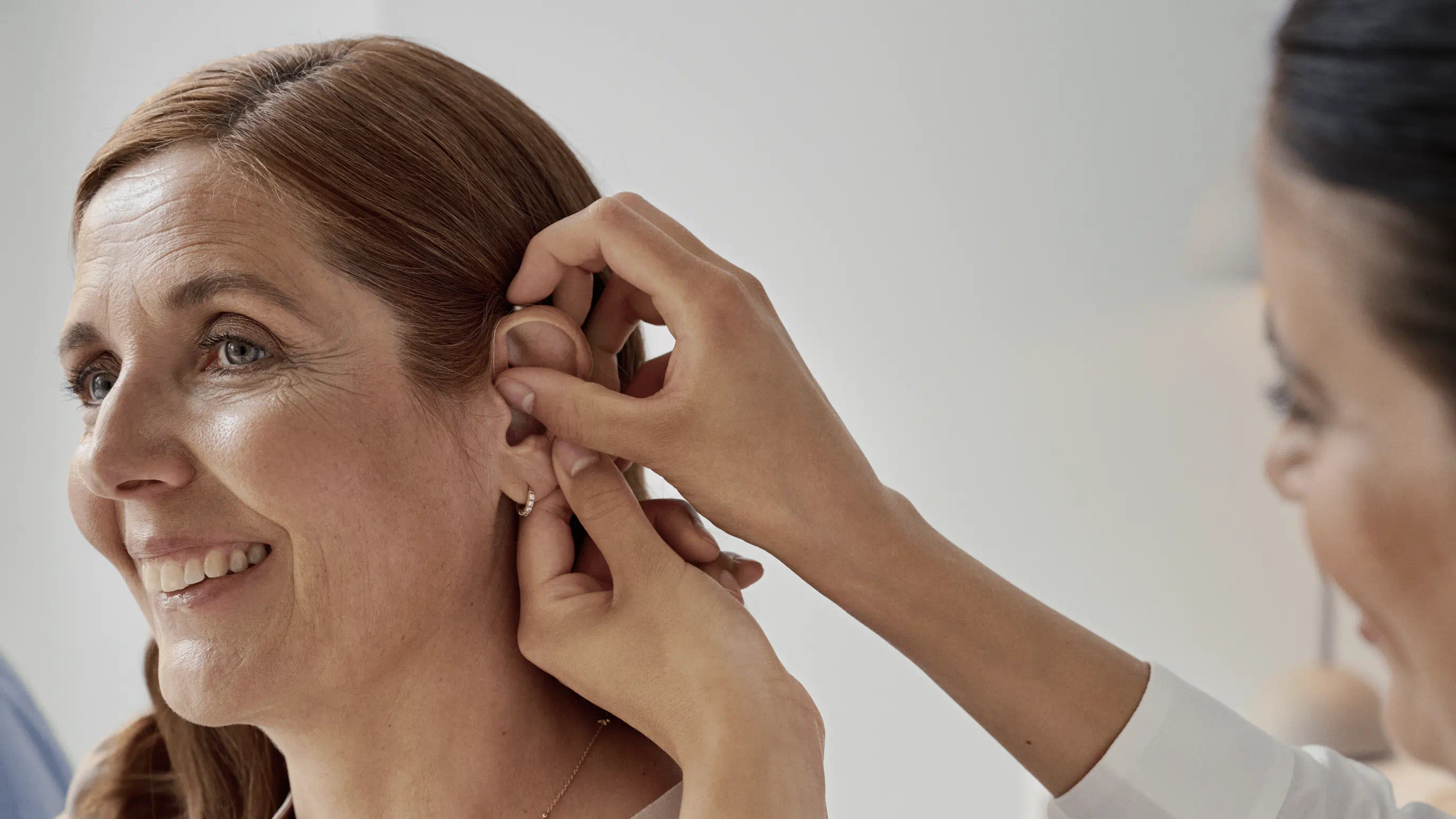
What the Occlusion Effect Does to Your Voice
To understand why your voice changes, it helps to know the following:
- Sound reaches your inner ear two ways: through the air and through bones in your head and jaw1.
- A snug hearing aid or dome can limit the air pathway and reflect low-frequency energy toward the eardrum1.
- Your brain takes time to get used to this mix, so your voice stands out until it adapts1.
- Low frequencies (think ‘m’, ‘b’, ‘o’ sounds) are most affected, which is why your voice feels deeper or more resonant1.

Setting Expectations as You Adjust to Hearing Aids
How Long Does the ‘Weird Voice’ Sensation Last?

A Simple Week-By-Week Guide
Week 1
Your voice sounds different and more noticeable. If necessary, wear your devices for shorter periods.Week 2
Your voice starts feeling less ‘boomy’, especially in quiet rooms. Many people stop noticing it during conversation.Week 3 to 4
Most report it feels natural, with only occasional reminders in very quiet spaces.

At-Home Tips to Help Speed up Comfort
What Can You Do to Help With the Adjustment Period at Home?
- Wear your devices consistently: Daily use trains your brain to rebalance your own voice quickly1.
- Read aloud: 10 to 15 minutes a day helps your brain normalize your voice faster1.
- Start wearing your hearing aids at home, in quiet places: Practice at home first, then add busier places after a few days.
- Celebrate the small wins: When conversations feel clearer, that’s your hearing aids doing their job and a sign of good progress.

When to Call In Professional Support
Can Your Hearing Care Professional Fix It?
Ask about:
Open-fit styles or larger vents
This involves the use of an ear tip with vents of different sizes. More venting lets internal vibrations escape, reducing the echo.Different domes or earmolds
Switching from closed to more open domes can ease the hearing aid occlusion effect1.Programming tweaks
Minor low-frequency adjustments or own voice processing (OVP) can reduce amplification of your voice while maintaining natural sound1.
What if It Doesn’t Improve?

Sources
1 Trends in Hearing: Effect of hearing aids on phonation and perceived voice qualities. (2025): pmc.ncbi.nlm.nih.gov/articles/PMC11873921/