
Understand the Difference
What Are Digital Hearing Aids?
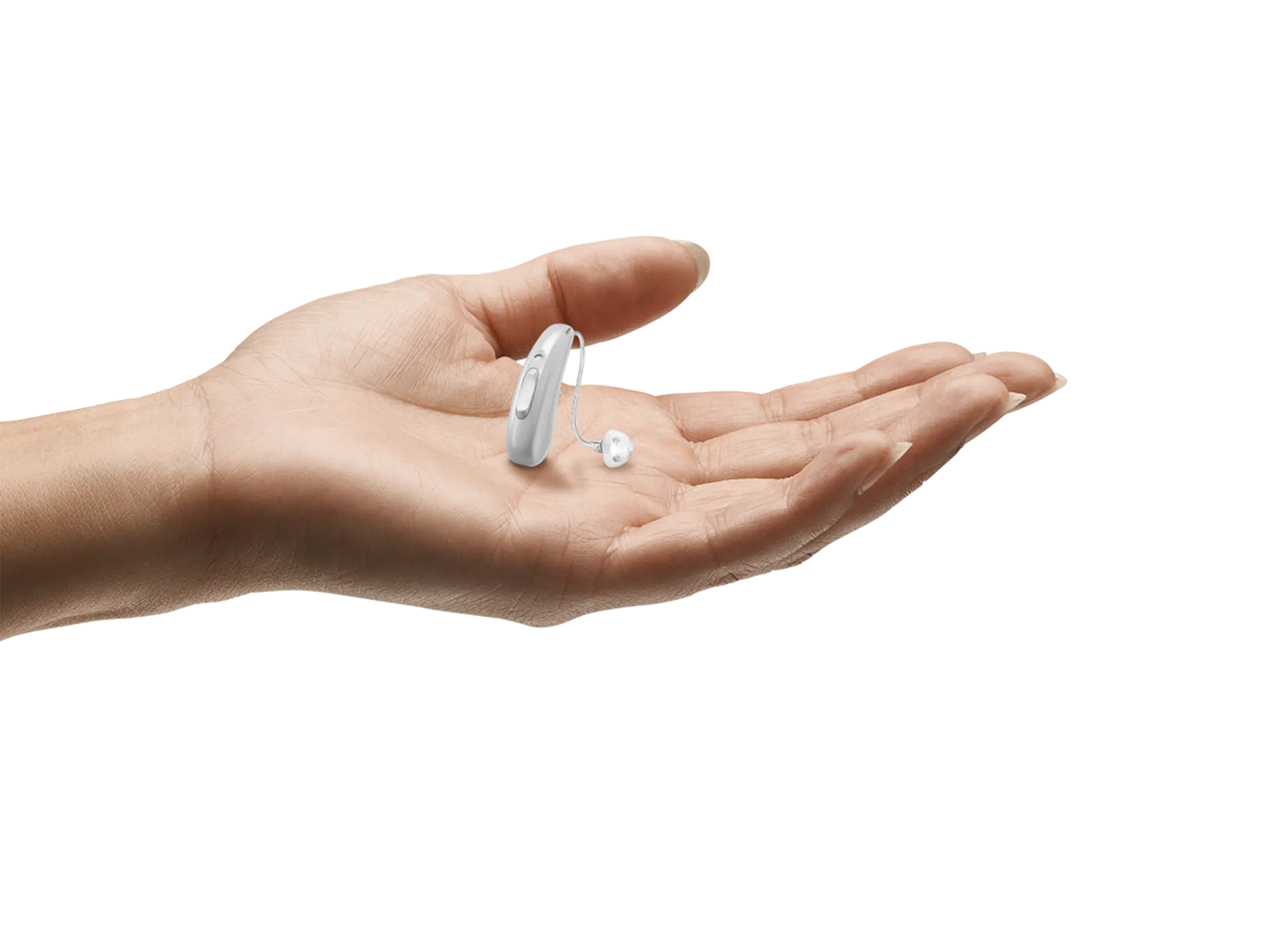
Digital hearing aids are small electronic devices that use digital technology to process sound based on your individual hearing needs. A microphone picks up sound, the processor adjusts it, and a small speaker delivers it to your ear.
This allows different frequencies to receive different levels of amplification. Depending on the model, hearing aids can also manage competing noise, reduce whistling and respond automatically to changing environments.
More Than Simply Turning up the Volume
Why Digital Hearing Aids Are More Than Simple Amplifiers
Basic Sound Amplifiers
A General Increase in Volume
Sound amplifiers are designed to make sounds louder. They are not intended to treat hearing loss, and their features vary.
- General sound amplification
- Limited tailoring to a hearing profile
- Not a substitute for a hearing screening
Digital Hearing Aids
Sound Adjusted to Your Hearing
Digital processing allows hearing aids to apply different adjustments to different sounds, based on your needs.
- Programming for specific hearing frequencies
- Speech and background noise management
- Directional microphones and feedback reduction*
Explore Your Options
Leading Digital Hearing Aids at HearUSA


Designed for Real Life
Key Features and Benefits of Digital Hearing Aids
- 1.
Conversations in noise
Directional microphones and speech processing can help you follow voices when other sounds compete for your attention. - 2.
Changing surroundings
Automatic programs can adjust sound as you move from a quiet room to a lively café, with fewer manual changes. - 3.
Calls, music and TV
Compatible models let you stream audio. Phone compatibility varies, and TV streaming may require an accessory. - 4.
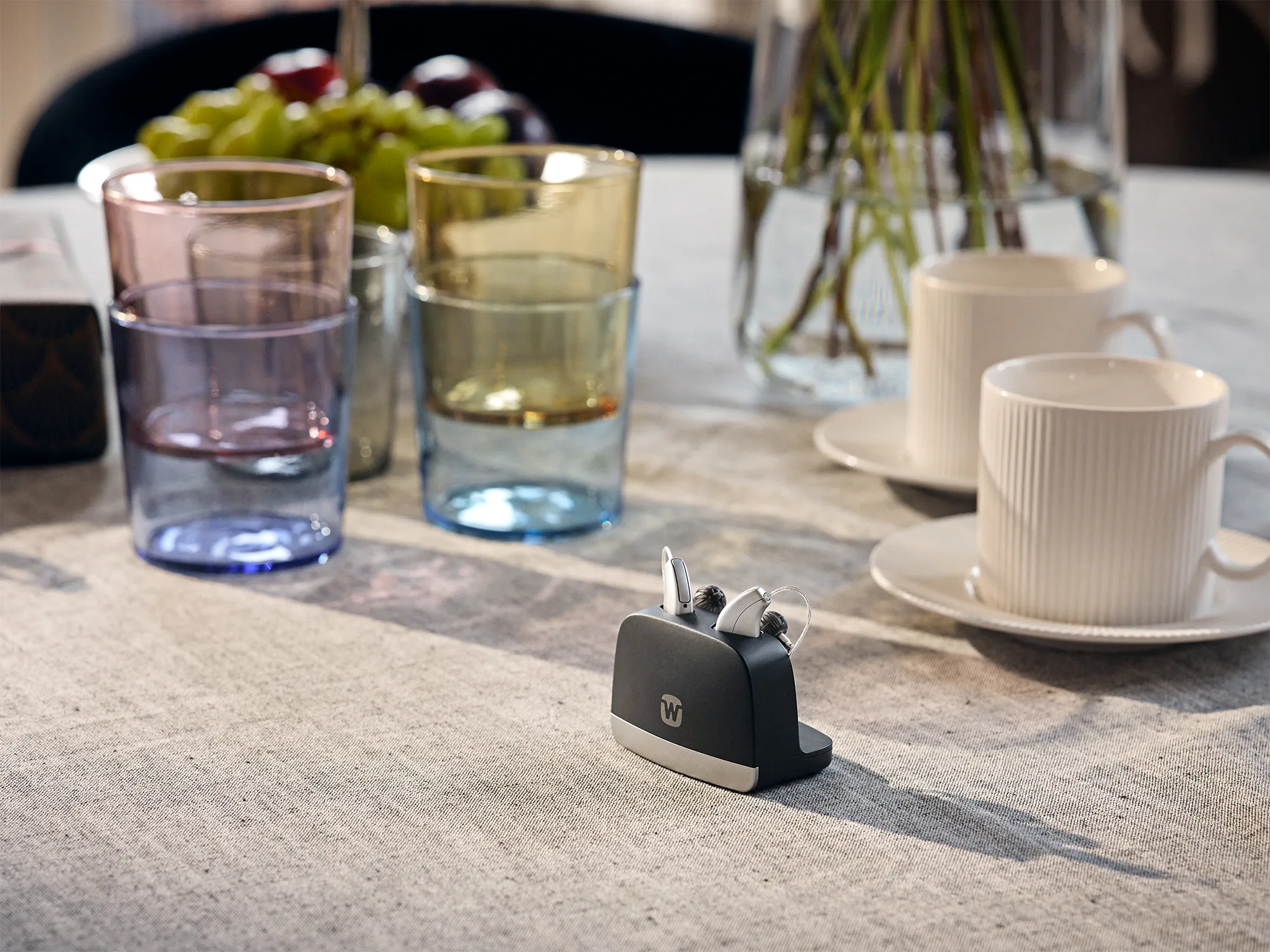
Rechargeable convenience
Many models offer daily charging instead of replacing small batteries. Battery life depends on the device and use. - 5.
Control from your phone
Compatible apps put volume, listening programs and other adjustments within easy reach. - 6.
Smarter sound processing
Some models use AI-based features to analyze listening environments or help personalize sound settings.
Technology Meets Personal Care
Why Professional Hearing Aid Fitting Matters
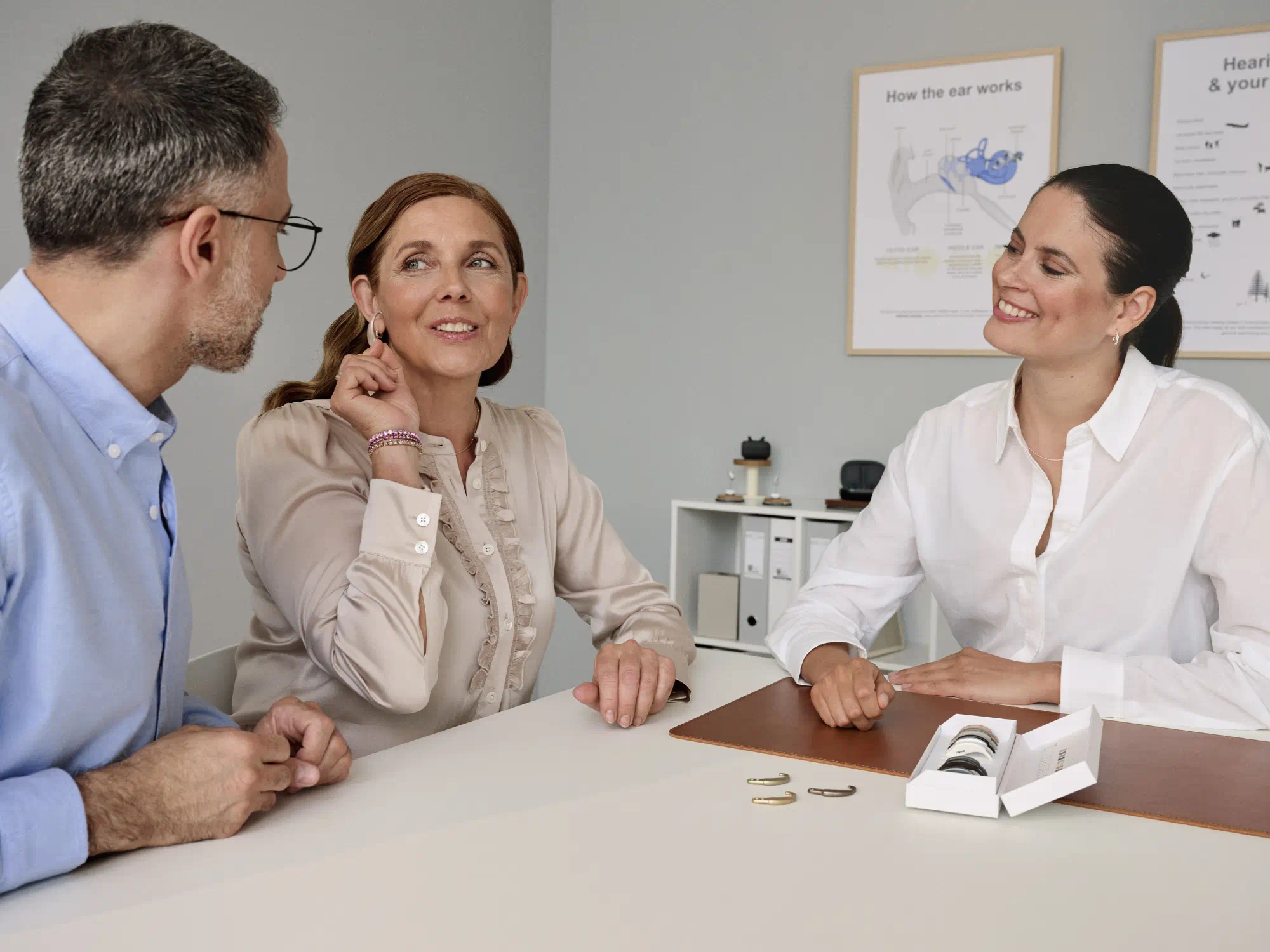
Even the most advanced digital hearing aid performs best when it is selected, programmed and fitted for your individual hearing needs.
At HearUSA, professional care can include:
- Hearing screening
- Personalized hearing aid recommendations
- Programming based on your hearing profile
- Physical fit and comfort adjustments
- Guidance on using features and connectivity
- Follow-up adjustments and ongoing care
As you get used to your hearing aids and encounter different listening situations, follow-up appointments also allow your Hearing Care Professional to fine-tune your settings.
A Quick Comparison
Digital vs. Analog Hearing Aids
Find Your Fit
How to Choose a Digital Hearing Aid
- 1.
Your hearing needs
Your type and degree of hearing loss help determine suitable styles and power levels. - 2.
Listening environments
Think about restaurants, meetings, family gatherings and other situations you find challenging. - 3.
Device compatibility
Check whether your phone and other devices support the streaming features you want. - 4.
Battery preference
Choose between rechargeable convenience and replaceable batteries, where available. - 5.
Comfort and handling
Consider fit, visibility and how easily you can insert, clean and control your devices. - 6.
Your budget
Compare technology levels, included services, insurance benefits and financing options.

FAQs
Frequently Asked Questions
How long do digital hearing aids last?
How much do digital hearing aids cost?
Do digital hearing aids need professional fitting?
Do all digital hearing aids have Bluetooth?
What are the best digital hearing aids?
Which is better, analog or digital hearing aids?