
Can Hearing Aids Cause Vertigo?

New Hearing Aids Could Be Making You Feel Dizzy
Why Vertigo Symptoms May Appear After Getting New Hearing Aids
Hearing aids and vertigo - the sensation of spinning - normally don’t go hand in hand. In fact, hearing aids are shown to actually improve balance.
However, adjusting to hearing aids is a big change for your ears and brain. They must relearn how to process sound signals together, which can sometimes impact your sense of balance.
The connection between hearing and balance
The inner ear is home to both the auditory system (hearing) and the vestibular system (balance and how your body feels in space).
Because they share the same space, changes in one can sometimes affect the other when first wearing hearing aids.
Brain adaptation to new sound input
Your brain needs time to process amplified sounds again. According to the American Speech-Language-Hearing Association (ASHA), this "auditory deprivation" reversal can overwhelm the central nervous system at first.
Mild dizziness at first is usually just your brain relearning sound. It will normally subside as you get used to your new hearing aids.
Ongoing spinning sensations (vertigo) or lightheadedness that doesn’t go away is less common. You may need a hearing aid fit adjustment or exam with your hearing specialist.

The Root Causes of Dizziness
Common Causes: Fit Issues, Sound Changes, and Inner Ear Conditions
#1 Improper Fit or Pressure in the Ear Canal
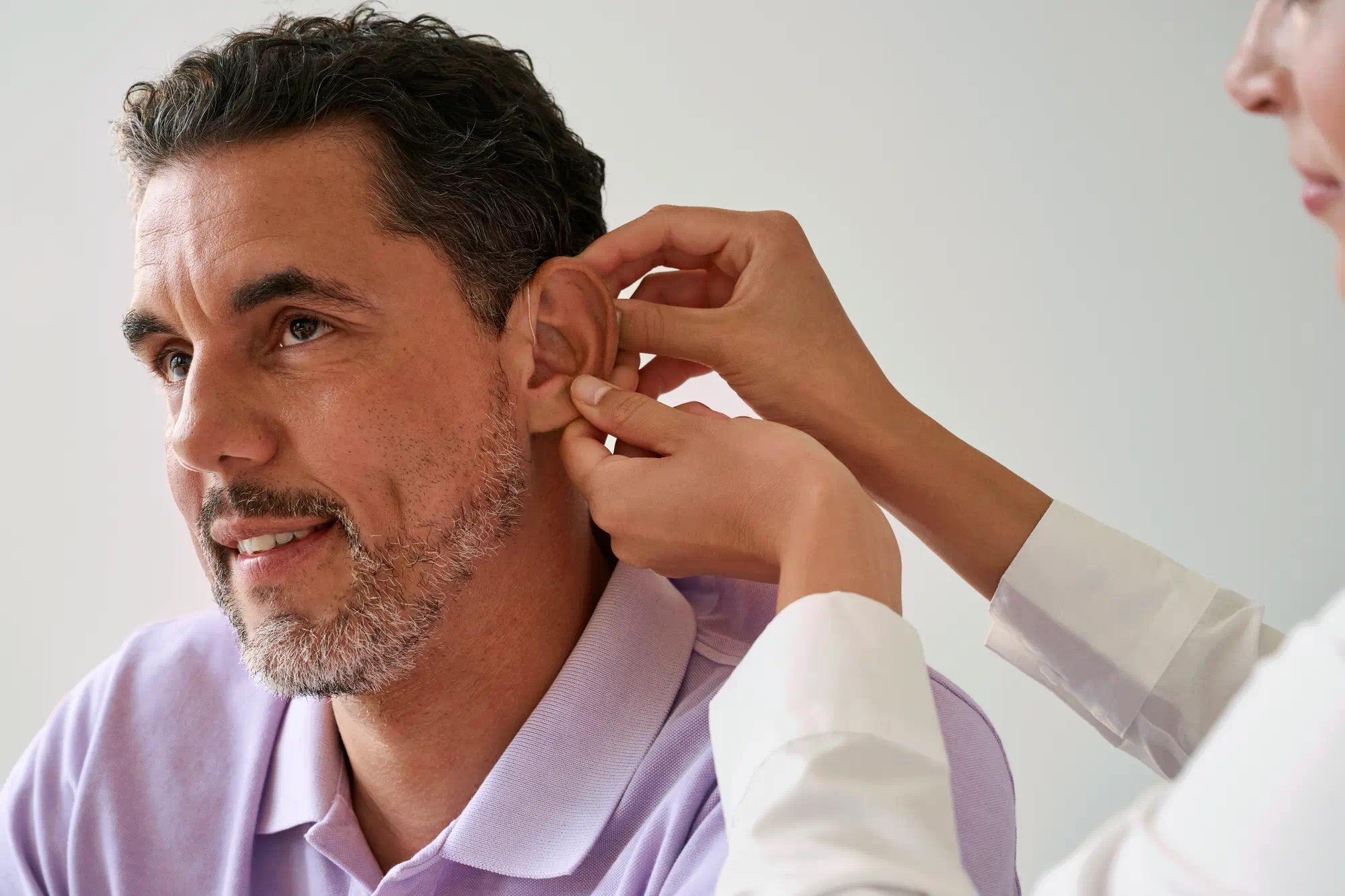
Can a hearing aid cause vertigo? Yes, it can if the hearing aid dome or earmold doesn't fit correctly and puts pressure on the nerves in the ear.
A hearing specialist can adjust your hearing aid fit to stop the sensation. A properly fit hearing aid should not cause dizziness beyond the initial adjustment period.
#2 Sudden Sound Amplification Changes
#3 Pre-Existing Inner Ear or Vestibular Conditions
Pre-existing conditions like vestibular migraines or Meniere’s disease can cause dizziness. In these cases, it’s the underlying condition that is surfacing during the hearing aid fitting.
In these cases, it's helpful to understand if hearing loss is a disability as you manage your long-term ear health and balance.


Bluetooth Connectivity and Sensory Overload Concerns
Overcoming Vertigo With New Hearing Aids
How to Manage Vertigo While Adjusting to Hearing Aids
Gradual Wear-Time Adjustments
When you first start wearing hearing aids or upgrade to a new pair, start slowly by increasing wear time daily in short increments.
Start with two hours in quiet environments, gradually increasing time and environments as your brain adjusts.
Volume and Program Fine-Tuning
Balance-Friendly Listening Habits
When wearing hearing aids, remember to:
- Sit down while inserting or removing your devices.
- Avoid sudden head movements while wearing hearing aids the first few days.
- Control the volume on your devices and avoid loud noise, which can cause the Tullio phenomenon.
Self-Care Strategies During Adjustment
A tired brain struggles more with processing sound, especially during the adjustment period. This can lead to brain fog or contribute to dizziness.
Be sure to:
- Start slowly with hearing aid wear time. Start with a couple hours each day and increase each day a little at a time as your brain adjusts.
- Consider practicing conversations with one person before moving onto larger group environments.
- Take breaks during the day from your hearing aids when you need to, especially during the adjustment period to let your ears and brain rest.
When to Talk to a Hearing Care Professional About Vertigo
Professional Support if Vertigo Doesn’t Subside
Persistent dizziness or worsening symptoms
If dizziness lasts longer than two weeks or occurs after a fall or accident, get help immediately.
Persistent vertigo may just mean the device fit or programming needs professional adjustment to give you the best hearing experience and protect your hearing and brain health.
Signs of underlying medical conditions
If vertigo is ongoing and, accompanied by ear fullness, ringing (tinnitus), or nausea, it may be a vestibular issue or other medical condition..
If you experience these symptoms, it’s important to see an Ear, Nose, Throat (ENT) doctor or hearing specialist.
Sometimes a change in hearing aid, earmold style, or volume setting adjustment is all it takes to eliminate the dizzy sensation.
If needed, your hearing specialist can adjust the device fit to ensure no unnecessary pressure on the walls and nerves in your ear.

Book Your Free Screening Today
FAQs
Frequently Asked Questions
Can hearing aids trigger vertigo permanently?
How long does vertigo last when adjusting to hearing aids?
Can Bluetooth hearing aids cause vertigo?
Should I stop wearing hearing aids if I feel dizzy?
When should I see a hearing specialist about vertigo?
If you have ongoing vertigo that doesn’t subside, which can include the feeling of spinning, imbalance, and nausea, see your hearing specialist.
Adjusting the hearing aid volume and physical fit often correct the issue. If not, you may have an underlying condition that is causing dizziness.