Can High Blood Pressure Affect Your Hearing?

How High Blood Pressure May Affect the Inner Ear
Blood vessels deliver nutrients from the heart to the entire body. The inner ear’s cochlea and sensory hair cells need a consistent supply of oxygen-rich blood to function properly.
If high blood pressure damages these blood vessels, less nutrients are able to reach the inner ear to keep it healthy. This can lead to hearing loss in some people.
What the Research Shows
The Link Between High Blood Pressure and Hearing Loss
Research shows an association between high blood pressure and hearing loss.* However, this doesn’t automatically mean someone will develop hearing difficulties. Still, it can significantly increase the risk over time.
For a deeper look at how cardiovascular health can impact hearing, read our dedicated guide on hypertension hearing loss.
What Type of Hearing Loss May Be Associated With Hypertension?
High blood pressure is most commonly linked to sensorineural hearing loss, which occurs when there’s damage to the delicate hair cells or the auditory nerve in the inner ear.
This type of hearing loss occurs gradually over years and is the most common form of permanent hearing loss. Muffled or unclear speech and sound are often the first signs.

Other Factors That May Contribute to Hearing Loss
Age-related changes (presbycusis)
Natural wear and tear on inner ear structures over time.Noise exposure
Prolonged exposure to loud machinery, music, or environmental noise.Diabetes
High blood sugar can damage blood vessels in the ear.Genetics
A family history can be a factor in early-onset or age-related hearing loss.Ototoxic medications
Certain medications, including some blood pressure medications, can affect inner ear function.

Hypertension and Tinnitus
Can High Blood Pressure Cause Tinnitus or Ringing in the Ears?
Tinnitus is when you hear certain noises when no external sound is present. It's often described as hearing persistent ringing, buzzing, humming, or whooshing sounds in one or both ears.
Because tinnitus is closely connected to the circulatory system, high blood pressure can affect blood flow through the head and neck. This can sometimes trigger or intensify tinnitus symptoms.
However, tinnitus has many potential causes - from noise exposure to earwax buildup - and doesn’t always mean you have hearing loss. A professional hearing exam can help determine the cause.
Some modern hearing aids come equipped with tinnitus programs, which can help mask the condition. Talk with your hearing specialist about which hearing aids may work best for managing tinnitus.

What Is Pulsatile Tinnitus?
Pulsatile tinnitus is a rhythmic thumping or whooshing sound within your ear that pulses with your heartbeat. This happens when there is altered blood flow near the ears.
Pulsatile tinnitus is frequently linked to underlying vascular health issues and can be serious. If you experience new or sudden symptoms, see a healthcare professional for a medical evaluation.
Can Managing Blood Pressure Improve Tinnitus?
Making lifestyle changes, such as eating better and exercising, and taking prescribed medication may help improve high blood pressure. Because there is a link between hypertension and tinnitus, lowering blood pressure can help improve cardiovascular health and reduce the intensity of tinnitus for some people.
However, improving blood pressure is not a guaranteed cure for tinnitus in everyone, since it depends on the level of nerve damage within the ear.
Can Hearing Loss Be Reversed?
Can Hearing Loss From High Blood Pressure Be Reversed?
While managing hypertension is crucial for protecting your cardiovascular system and hearing health, lowering your blood pressure will not repair sensory hair cells and nerves that have already been damaged.
However, modern hearing aids can help restore the sounds you’re missing, so you can hear better and improve your quality of life.
Treatment Options
If you’re dealing with permanent sensorineural hearing loss, these modern hearing solutions can dramatically improve your ability to communicate and engage with the world:
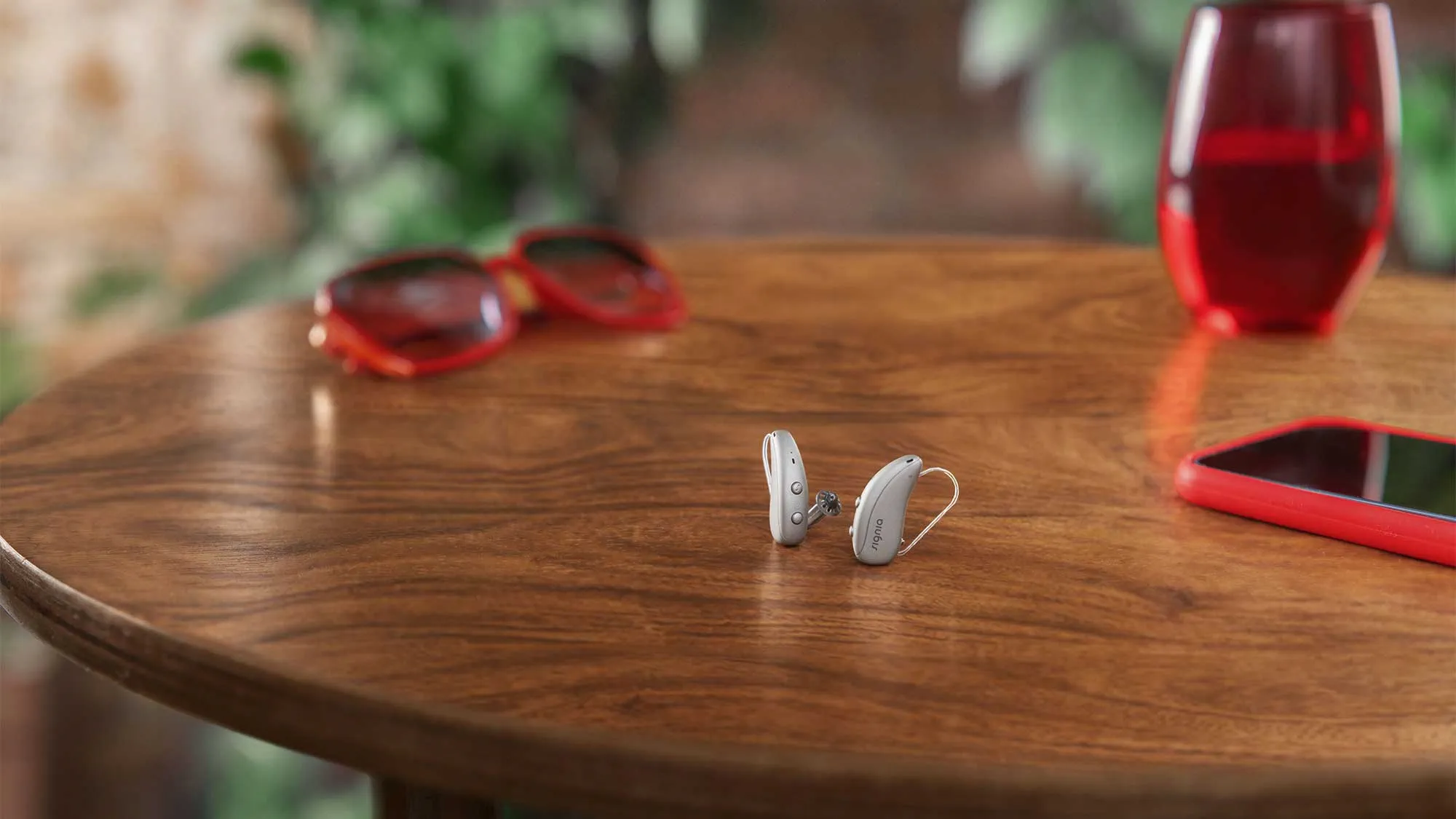
- Prescription hearing aids: Modern devices can be personalized to amplify specific sound frequencies you’re missing while keeping other sounds comfortable and natural.
- Noise management & directional features: Advanced hearing technology can isolate voices to help you focus on speech while lessening background noise at the same time.
- Assistive listening accessories: Devices like TV streamers and remote microphones enhance speech clarity during group gatherings or your favorite shows.
How to Help Protect Your Hearing Moving Forward
- 1.
Manage blood pressure
Work closely with your primary care provider to maintain healthy blood pressure levels through diet, exercise, and prescribed medications. - 2.
Wear hearing protection
Use custom earplugs or earmuffs when around lawnmowers, power tools, concerts, and other loud-noise environments. - 3.
Adopt healthy lifestyle habits
Maintain a balanced diet, stay physically active, and avoid smoking to maintain healthy circulation throughout your body. - 4.
Monitor hearing changes
Schedule regular hearing screenings to track your hearing over time and catch subtle changes early, which can lead to better outcomes.
Treat Hearing Loss Promptly
When to Get a Hearing Test or Seek Medical Care
If you notice signs of hearing loss, such as difficulty following conversations, muffled speech, frequently asking others to repeat themselves, turning up the TV volume, or persistent ringing in your ears, consider scheduling a hearing test.
Hearing loss often develops gradually, making it difficult to recognize at first. Early detection can help you explore treatment options and protect your remaining hearing.
If you experience sudden hearing loss or pulsatile tinnitus, seek immediate medical attention. A professional hearing screening can help identify the type and degree of hearing loss and guide appropriate care.

FAQs
Frequently Asked Questions
Can high blood pressure affect your hearing?
Can high blood pressure cause ringing in the ears?
What does tinnitus from high blood pressure sound like?
Can hearing loss from high blood pressure be reversed?
Can blood pressure medications affect hearing?
Should people with hypertension get regular hearing tests?
Source:
*National library of medicine: Association between hypertension and hearing loss: a systemic review and meta-analysis (January 7, 2025): pmc.ncbi.nlm.nih.gov.