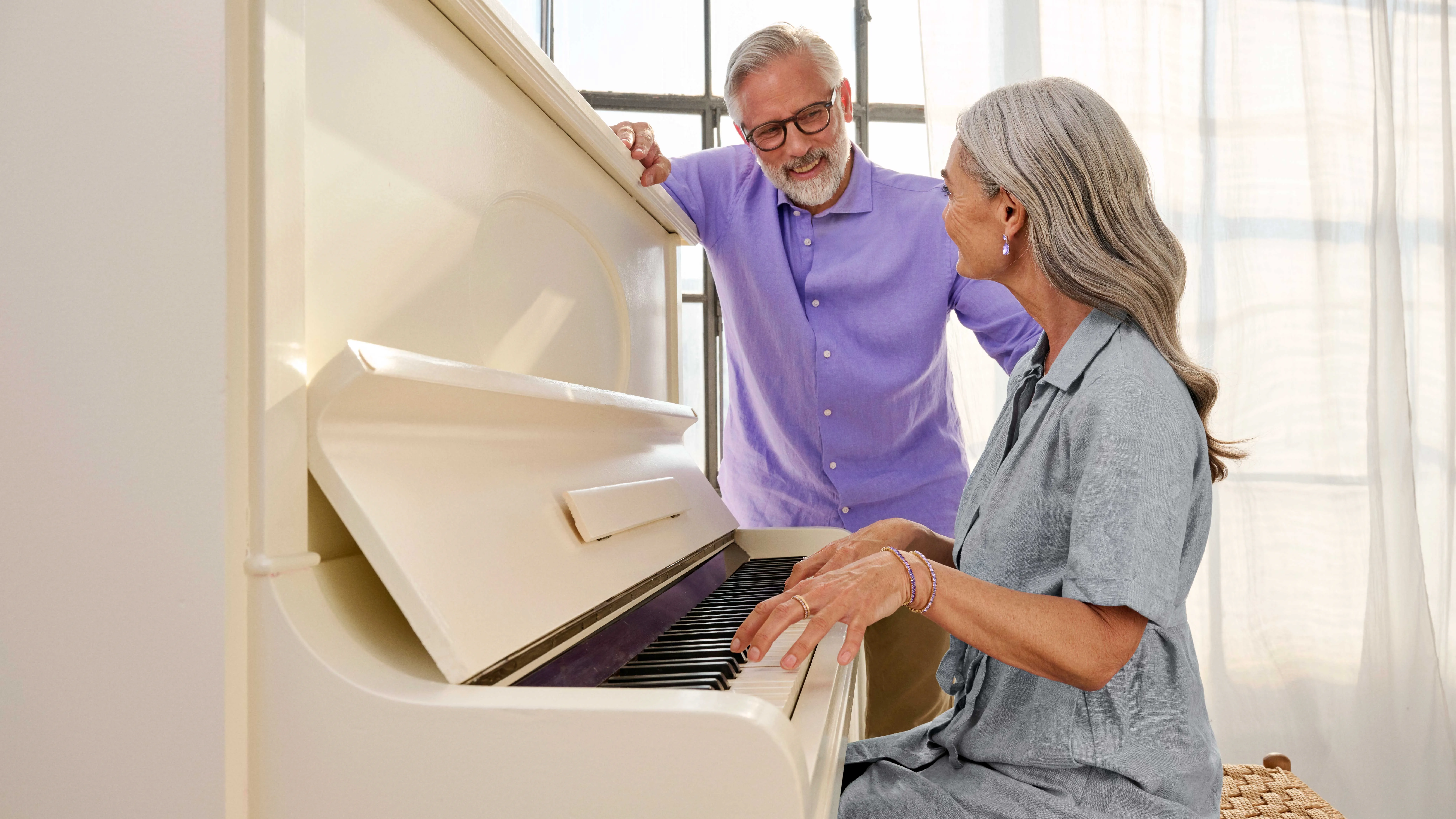
What Is High Frequency Hearing Loss?

Everyday Environments Become Challenging
How High Frequency Hearing Loss Affects Daily Listening
When people think of hearing loss, they often think all sound becomes muffled. However, high frequency hearing loss impacts your ability to hear higher-pitch sounds, which includes some speech.
Why? Because speech is made up of low-frequency vowels (A,E,I,O,U) and high-frequency consonants (S,F,Th,Sh,P,T). Consonants give speech its crispness and clarity.
Beyond speech, a loss of high-pitched hearing ability can change how you interact with your environment. You might notice that subtle everyday sound cues begin to fade, such as:

Singing birds or chirping crickets in nature

High-pitched electronic beeps, household alarms, microwave timers, or phone notifications

The voices of young children or women, which naturally carry higher pitch frequencies

Certain sound effects in media or on TV

Identifying Root Causes
Common Causes of High Frequency Hearing Loss
Age-Related Hearing Loss
The most frequent cause of high frequency hearing loss is the natural aging process. Inner ear structures gradually experience wear and tear.
High-frequency sensory cells in the ear are typically affected first, leading to a slow, gradual drop in high-pitched clarity over many years.

Noise Exposure
Exposure to loud sounds is a leading cause of hearing loss at high frequencies. Repeated or prolonged exposure can permanently damage the fragile inner ear hair cells.
Common sources include:
- Listening to music at high volume through headphones or earbuds.
- Attending loud concerts or sporting events.
- Working around heavy machinery, power tools, lawnmowers, or industrial equipment. (Read our guide on choosing hearing aids for noisy environments)
- Exposure to sudden, intense sounds such as firearms or explosions.

Genetics and Family History
Your genetics play a role in age-related changes and how noise damage impacts your ear.
If close family members experienced high pitch hearing loss earlier in life, you may carry a higher genetic predisposition to similar changes.

Medical Conditions and Medications
Certain health conditions - such as cardiovascular disease, diabetes, or high blood pressure - can reduce blood flow to the inner ear, which can damage hearing cells.
Additionally, certain prescription drugs known as ototoxic medications (including specific high-dose NSAIDs, chemotherapy agents, and certain antibiotics) can damage the inner ear.
Always discuss potential medication side effects with your healthcare provider.

Recognizing the Warning Signs
Signs You May Have Trouble Hearing High-Pitched Sounds
High frequency hearing loss often develops so gradually that it’s easy to explain away. Recognizing symptoms and getting care early can help protect your hearing, relationships, and quality of life.
Look out for these common warning signs:
- 1.
Difficulty understanding speech clearly
Speech sounds muffled, as if people are mumbling under their breath. - 2.
Frequently asking others to repeat themselves
Especially in groups, busy rooms, or places with background noise. - 3.
Trouble with specific voices
Finding women’s or children’s voices noticeably harder to understand than men's lower voices. - 4.
Missing ambient sounds
Realizing you no longer hear birds outside, doorbells, timer beeps, or phone ringers. - 5.
Increasing the TV volume
Turning up the television to a level that others find uncomfortable, yet still missing the full conversation. - 6.
Listening fatigue
Feeling mentally drained or exhausted after social gatherings due to the intense effort it takes to try and understand the conversations.
Explore Modern Treatment Solutions
Treatment Options for High Frequency Hearing Loss
While damaged inner ear hair cells cannot be healed, modern hearing aids make better hearing possible and managing high-pitched hearing loss easier.
Explore the available solutions for these types of hearing loss:
Hearing Aids for High Frequency Hearing Loss
Modern prescription hearing aids are sophisticated micro-computers. Hearing care professionals can program them to amplify only the high-frequency sounds you’re missing, keeping lower frequencies natural and comfortable.
Moreover, advanced hearing devices are equipped with multiple microphones that help you focus on the person speaking directly in front of you. At the same time, they’re actively suppressing background noise behind or beside you, dramatically improving speech understanding in noisy settings.
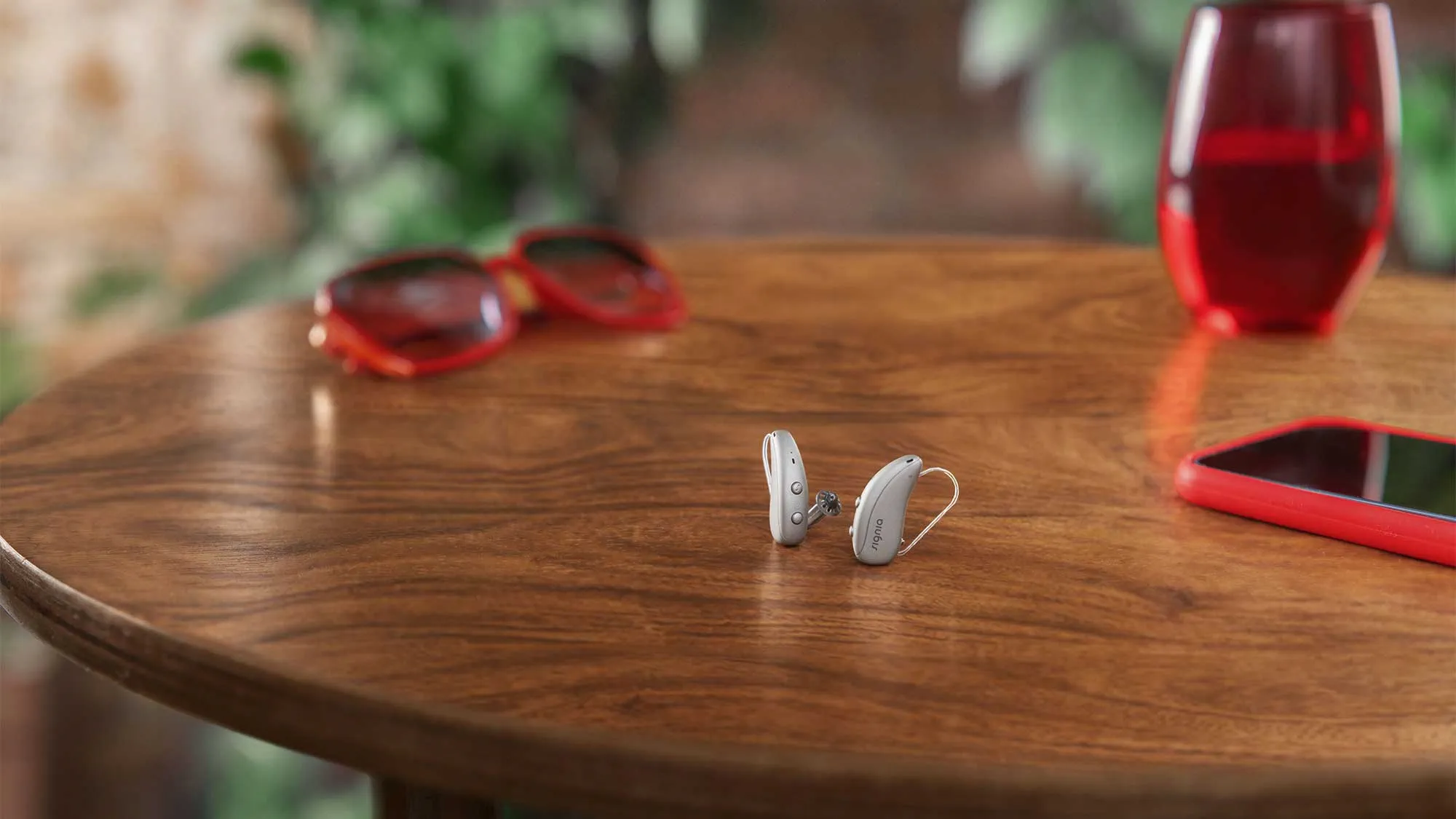
Frequency Lowering Technology

Communication Strategies
Combining technology with these smart communication habits can help you better understand speech and stay in the conversation:
- Face the person speaking directly to catch non-verbal visual cues, such as body language and eye movement.
- Minimize background noise by muting televisions or stepping away from noisy kitchen appliances.
- Choose quieter seating areas at restaurants.
- Use live captions on phones, video calls, and televisions.


Hearing Protection to Prevent Further Damage
Protecting your remaining hearing is vital to your overall health.
- Wear properly fitted custom earplugs or earmuffs during noisy activities, like concerts and yard work.
- Keep headphone volumes at safe levels (under 60% maximum volume)
- Take periodic quiet breaks when attending loud events.
- Pairing protection with modern hearing aid accessories can further optimize your daily listening environment.
Taking the Next Step
When to See a Hearing Specialist for High Frequency Hearing Loss
If you find yourself struggling to hear everyday conversations, constantly turning up the TV or radio, or no longer hearing environmental sounds, it's time to meet with a hearing professional.
Visiting a hearing care professional is a simple, comfortable process that involves these four steps:
- Symptom & lifestyle review: You’ll share information about your health history, listening environments, and personal communication goals.
- Physical ear exam: Your specialist will do a quick visual check of your ear canal to rule out earwax blockage or structural issues.
- Hearing test: You’ll listen to a series of tones at different pitches and volumes in a soundproof booth and go over your audiogram (graph that maps your hearing ability).
- Personalized solution review: Your hearing specialist will go over treatment options tailored to your specific hearing needs, lifestyle preferences, and budget.

FAQs
Frequently Asked Questions
What is high frequency hearing loss?
What causes high frequency hearing loss?
The primary causes of high frequency hearing loss include:
- The natural aging process (presbycusis)
- Exposure to loud noise (like music, firearms, or workplace machinery)
- Genetics
- Certain ototoxic medications
- Underlying medical conditions that impair blood flow to the inner ear, such as diabetes and heart disease
Can high frequency hearing loss be treated?
Yes, high frequency hearing loss can be treated.
Damaged inner ear hair cells cannot be repaired, but modern prescription hearing aids, directional microphones, and sound-processing technologies can help people hear high-pitched sounds clearly and comfortably again.
Are hearing aids helpful for high frequency hearing loss?
Can high frequency hearing loss get worse over time?
Yes, high frequency hearing loss can get worse over time, especially if caused by aging or continued exposure to loud noise.
Regular hearing screenings, wearing proper hearing protection in loud environments, and getting treatment early when you suspect hearing loss can help protect against further loss over time.