
How Do Hearing Aid Trials Work?
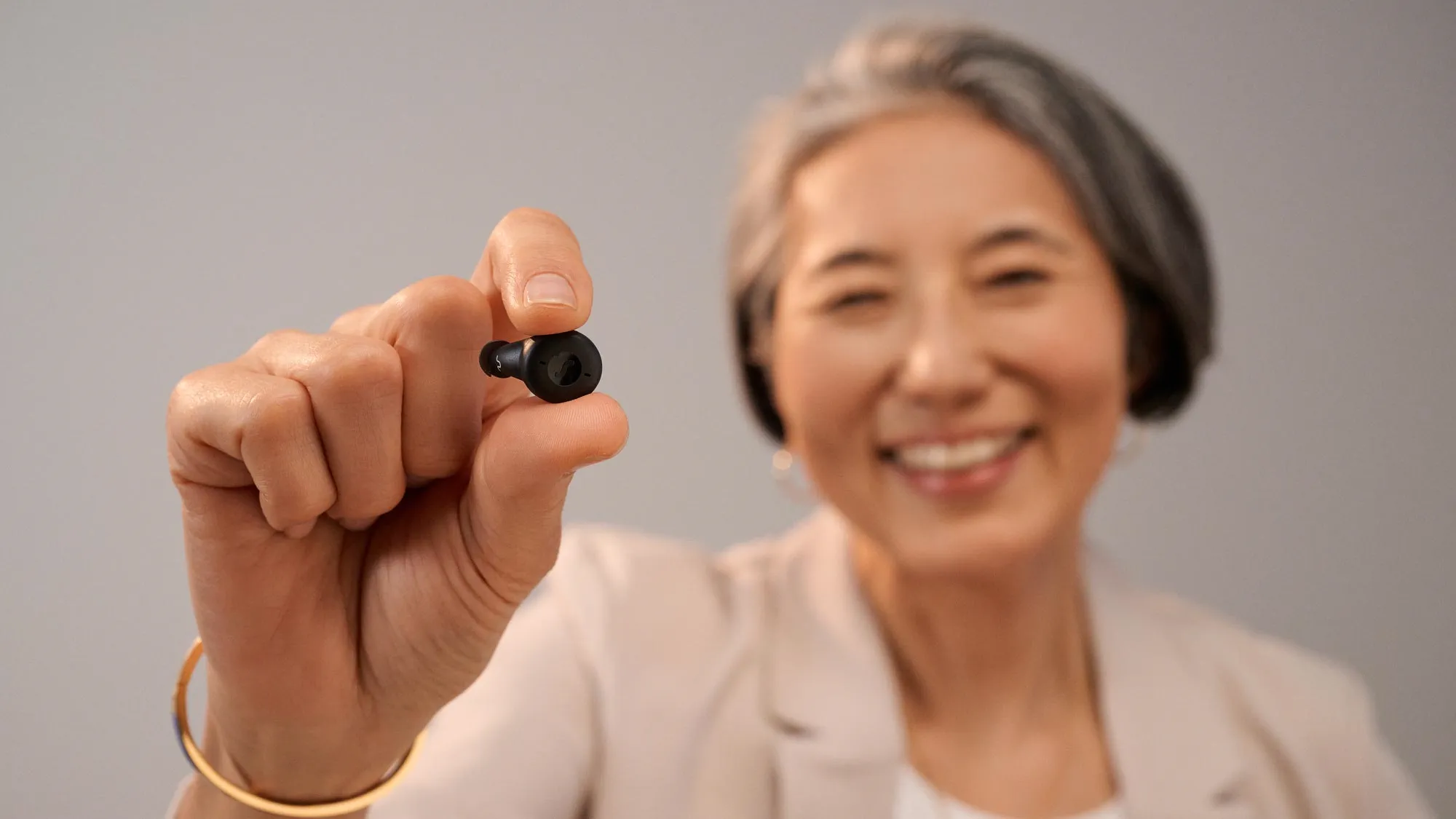

- Hearing aid trials allows you to test devices at home before deciding if they are right for you.
- At HearUSA, you can try hearing aids for free for 60 days before deciding if they're right for you.
- You’ll wear the devices in real-life situations, supported by your health care professional throughout.
- At the end of the trial, you can keep, exchange, or return the hearing aids.
FAQs About Hearing Aid Trials
Can You Try Hearing Aids Before You Buy Them?
Yes. Hearing aids are an investment in your health and quality of life, so it’s important to try them before buying to experience them in your environment and feel confident they are right for you.
Pressure-free hearing aid trials can give you confidence and peace of mind. You’ll get to test the hearing aids at home, at work, and out socially to see how you feel wearing them.
For first-time wearers, hearing aid trials offer reassurance.
Meanwhile, for experienced wearers, a free hearing aid trial gives them the chance to experience new technology, what upgrading their devices might sound like, and offers the chance to compare new features and updates.
What Is a Hearing Aid Trial?
How Long Does a Hearing Aid Trial Last?

Are Custom Earmolds Included in Hearing Aid Trials?
Some hearing centers do include custom molds in premium trial packages, while other centers treat custom molds as an add-on with a cost attached.
Even if your hearing aids will eventually use custom earmolds, the trial may be with a standard fitting. This allows you to experience how the devices feel and perform before a bespoke custom earmold is made.
Free Hearing Aid Trials: What’s Included?
What’s Included in the Trial and What’s Not?
- An initial hearing aid fitting and programming appointment2
- A device, or devices, to wear at home during the trial1
- Follow-up appointments for adjustments2
- Professional support from your hearing care professional2
- In some cases, existing hearing aid wearers can also trial an assistive device to enhance your listening experience, such as a TV streamer or FM system that can be used in environments with a lot of background noise
- No obligation to buy after your risk-free trial period1
- You must return the devices in the same condition, you received them in
What Happens at a Hearing Aid Trial Fitting Appointment?
During this visit, your hearing care professional will guide you through the process3. They will:
- Review your hearing test results
- Discuss your hearing needs, lifestyle, and any concerns you have
- Try devices to see if they fit comfortably and work well for you
- Show you how to insert, remove, and care for them
- Explain basic controls, features, and cost
In most cases, you’ll take the hearing aids home the same day, but there are exceptions, especially if you’re trialing a custom mold.
Many modern devices include advanced features like Bluetooth connectivity, rechargeable batteries, and AI-powered sound processing, which require smartphone apps. Trialing these technologies is important too2.

What Happens During Hearing Aid Trials?
How to Test Hearing Aids During Your Trial Period
A hearing aid trial allows you to test devices in real-life listening environments. The goal is to wear them as part of your daily routine, so you can discover how they perform and better understand the hearing aid adjustment process.
Start in quieter environments and gradually introduce more complex listening situations.
Consider involving family members or close friends during your trial, as their feedback and support can help you notice improvements in communication and make a more confident decision.

Try Wearing Hearing Aids:
- At home during everyday conversations, and while watching TV, or listening to music
- At work in meetings, during phone calls, and in group discussions
- In social settings, such as cafes and restaurants
- In noisy environments like busy workplaces and supermarkets, and on public transport
Adjusting to Hearing Aids During the Trial
What’s Normal During the Adjustment Period?
It’s common for hearing aids to feel unfamiliar or slightly uncomfortable at first. These are some common experiences:
- Everyday sounds like footsteps, paper rustling, or running water may seem louder than expected
- Your own voice may sound slightly different or “boomy”
- You may be aware of the hearing aids in your ears
- Listening can be more tiring than usual, as your brain adapts to processing the sounds
These experiences usually settle as you adapt during the first few weeks.
Try to keep a record of your experiences in different environments so you can discuss what’s happened with your hearing aid professional.
Signs Your Hearing Aid May Need Adjusting During a Trial:
- Persistent whistling or feedback
- Discomfort or pressure in the ear
- Difficulty understanding speech, even in quiet environments
- Sound that feels distorted or consistently too loud
If you notice any of these issues, make a note so your hearing care professional can review them and fine-tune the hearing aid settings.

Hearing Aid Trial Tips
Do’s and Don’ts for Hearing Aid Trials

Wear them daily
The intention is to build up to wearing your hearing aids daily as your brain adjusts.Start in quiet places
Try them at home before testing them in busier environments.Keep notes
Write down what works well and what feels challenging so your hearing care professional can fine-tune the settings.Clean them regularly
Wipe your devices with a soft, dry cloth each day to keep them working well.Attend follow-up appointments
Adjustments are normal and help your hearing aids perform their best.

Get them wet
Remove before showering, swimming, or bathing.Use sprays while wearing them
Take them out before applying hairspray, perfume, or sunscreen.Give up too quickly
It’s normal for sounds to feel different at first while your brain adapts.Try to fix them yourself
If something isn’t right, contact your hearing center for support.

Hearing Aid Trials
What Happens at the End of a Hearing Aid Trial?
Can I Return Hearing Aids?
Yes, at the end of your hearing aid trial period, you must return them if they are not the right solution for you. Your hearing center will guide you through the return process according to the trial terms. You’ll have time to discuss your experience with your hearing care professional and decide whether you:
- Return the hearing aids1
- Keep the devices1
- Exchange them for a different model or style1
Specific return policies for accessories, custom molds, and consumables may vary by hearing center, so it’s important to clarify what’s included in your trial agreement.
Your hearing care professional will explain any hygiene or sanitization requirements that apply to you if you need to return your hearing aids after your trial.

Take the Next Step With Confidence
Sources:
1 HearUSA: Considering hearing aids? We can help. (2025): hearusa.com/support/considering-hearing-aids/
2 HearUSA: What to expect. (2022): hearusa.com/about-us/what-to-expect/
3 HearUSA: Hearing aid buyer’s guide. (2025): hearusa.com/hearing-aids/buyers-guide/
4 The Hearing Journal: Auditory acclimatization in new hearing aid users: Practical insights for clinicians (2025): journals.lww.com/thehearingjournal/fulltext/2025/08000/auditory_acclimatization_in_new_hearing_aid_users_.2.aspx