
Ask an Expert: How Should I Store My Hearing Aids?


- Hearing aids require cool, dry storage to prevent moisture damage and prolong lifespan.
- Hearing aid dehumidifiers extract excess moisture caused by humid climates or perspiration.
Q: Why Is It Important to Store Hearing Aids Correctly?
A: Proper storage is an important part of hearing aid care and maintenance.
Hearing aids are small electronic devices worn daily, and they are regularly exposed to moisture, body oils, dust, and accidental damage.
Storing them correctly helps protect the internal components, maintain sound quality, and extend the lifespan of the devices. Taking care of your hearing aids leads to a more consistent, and better, hearing experience1.
Q: What Is the Best Way to Store Hearing Aids?
A: Every night, store your hearing aids in a cool, dry place to ensure they are easily accessible and consistent wear becomes a habit.
Consistency is key to avoiding loss or damage.
Storing them in the same place every day and night can help.
Make sure you also:
Use a Hard Storage Case
Store Hearing Aids Out of Reach of Pets and Children

Q: Can I Leave My Hearing Aids in the Bathroom?
Q: How Do I Store My Hearing Aids When I Take a Nap?
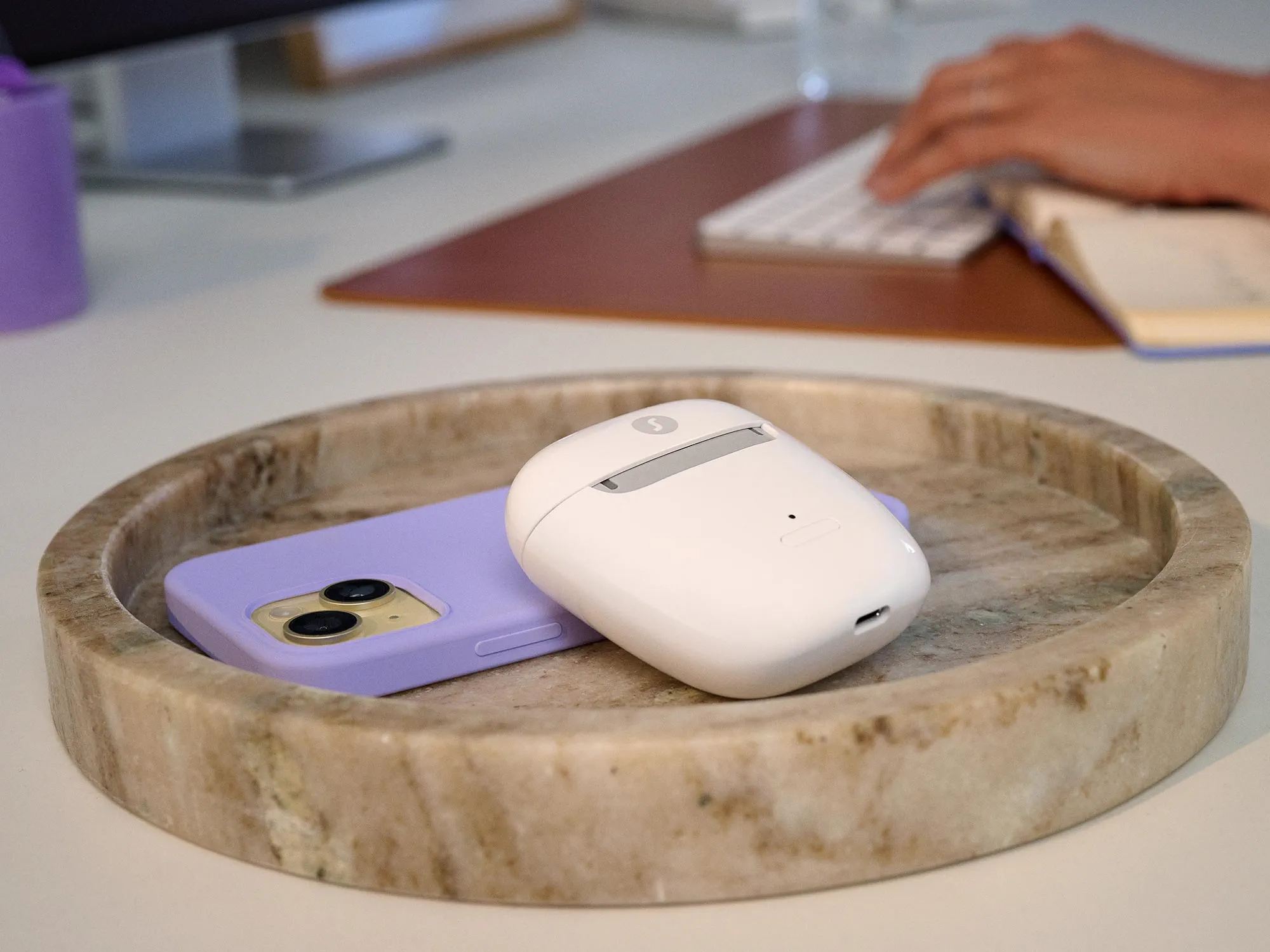
You can also place them in the charging station if it’s easier to access.

Q: How Should I Store My Hearing Aid Batteries?
Storing Rechargeable Hearing Aid Batteries:
- Place hearing aids in their charging station every night. Most modern chargers are ‘smart’ and will stop drawing power once the battery capacity has reached its limit.
- Ensure the charging contacts on both the hearing aids and the dock are clean and dry to prevent corrosion and ensure a stable connection2.
- Use a drying capsule regularly to protect your hearing aids from moisture. Place the devices in the charger (if space allows) or store the hearing aids in an airtight container (dry aid kit) after exposure to sweat or water. Dehumidify them weekly by leaving the devices switched off in the dry aid kit for a few hours or overnight.
Storing Disposable (Zinc-Air) Batteries:
- Always open the battery compartment at night. This turns the device off and allows trapped moisture to evaporate, which is vital as zinc-air batteries are highly sensitive to environmental moisture³. Switching off your hearing aid when not in use helps extend the battery life.
- If you will not be using your hearing aids for several days, remove the batteries entirely to prevent potential acid leakage or corrosion4.
- Keep spare batteries in their original packaging at room temperature, away from heat and sunlight⁴. Never store them loose with metal objects like coins or keys, as this can cause them to short-circuit. Only remove the sticker from the battery when you are ready to use it, as this activates the battery and starts reducing its lifespan. Always check the batteries for the expiry date as they may not be effective after that.
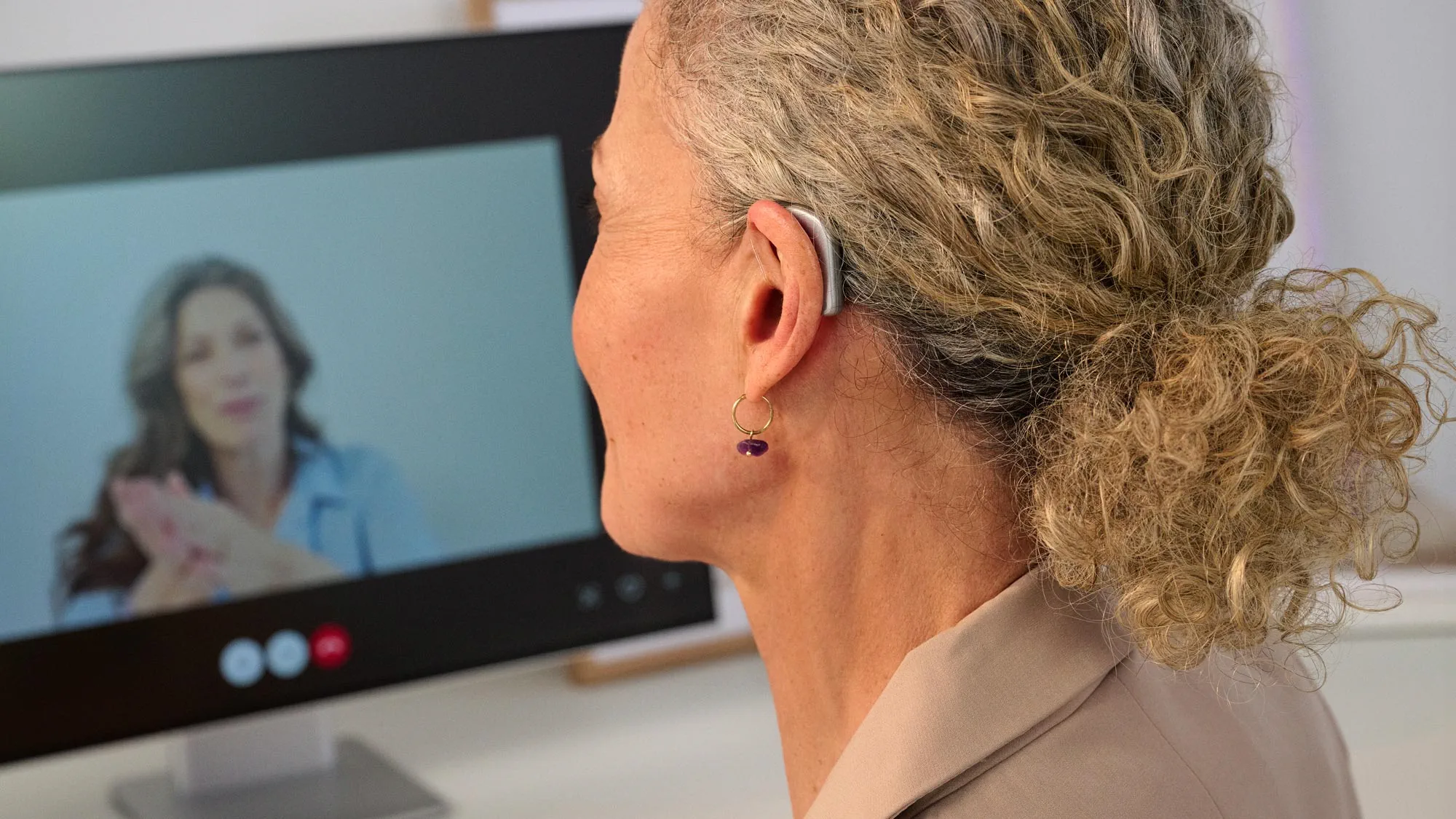
Find your nearest hearing center.
Q: Should I Use a Hearing Aid Dehumidifier or a Special Drying Case?

Types of Hearing Aid Dehumidifiers
Passive Dehumidifiers
Electronic Dehumidifiers
How Should I Store My Hearing Aids When I Travel?
Take these simple precautions before travelling with hearing aids:
Tip #1
Tip #2
Tip #3
Sources:
1 American Journal of Audiology: Factors associated with self-reported hearing aid management skills and knowledge. (2018): https://pubs.asha.org/doi/10.1044/2018_AJA-18-0053
2 DTU Orbit: Improving robustness and performance of Li-ion systems for hearing aids. (2024): orbit.dtu.dk/en/publications/improving-robustness-and-performance-of-li-ion-systems-for-hearin/
3 Frontiers in Chemistry: Recent progress in electrolytes for Zn–air batteries. (2020): frontiersin.org/articles/10.3389/fchem.2020.00372/full
4 The Battery Tips: Can I leave hearing aids battery in when not wearing? Essential storage tips for longevity (2025): https://thebatterytips.com/battery-specifications/can-i-leave-hearing-aids-battery-in-when-not-wearing/
5 Pakistan Journal of Medical Sciences: The clinical implications of ear canal debris in hearing aid users. (2014): pmc.ncbi.nlm.nih.gov/articles/PMC4048490/
6 Audiology Online: A quick reference for hearing aid battery troubleshooting (2013): https://www.audiologyonline.com/files/event/23100/23184/aquickreferenceforhearingaidbatterytroubleshooting.pdf