
How to Make Your Hearing Aids Last Longer?
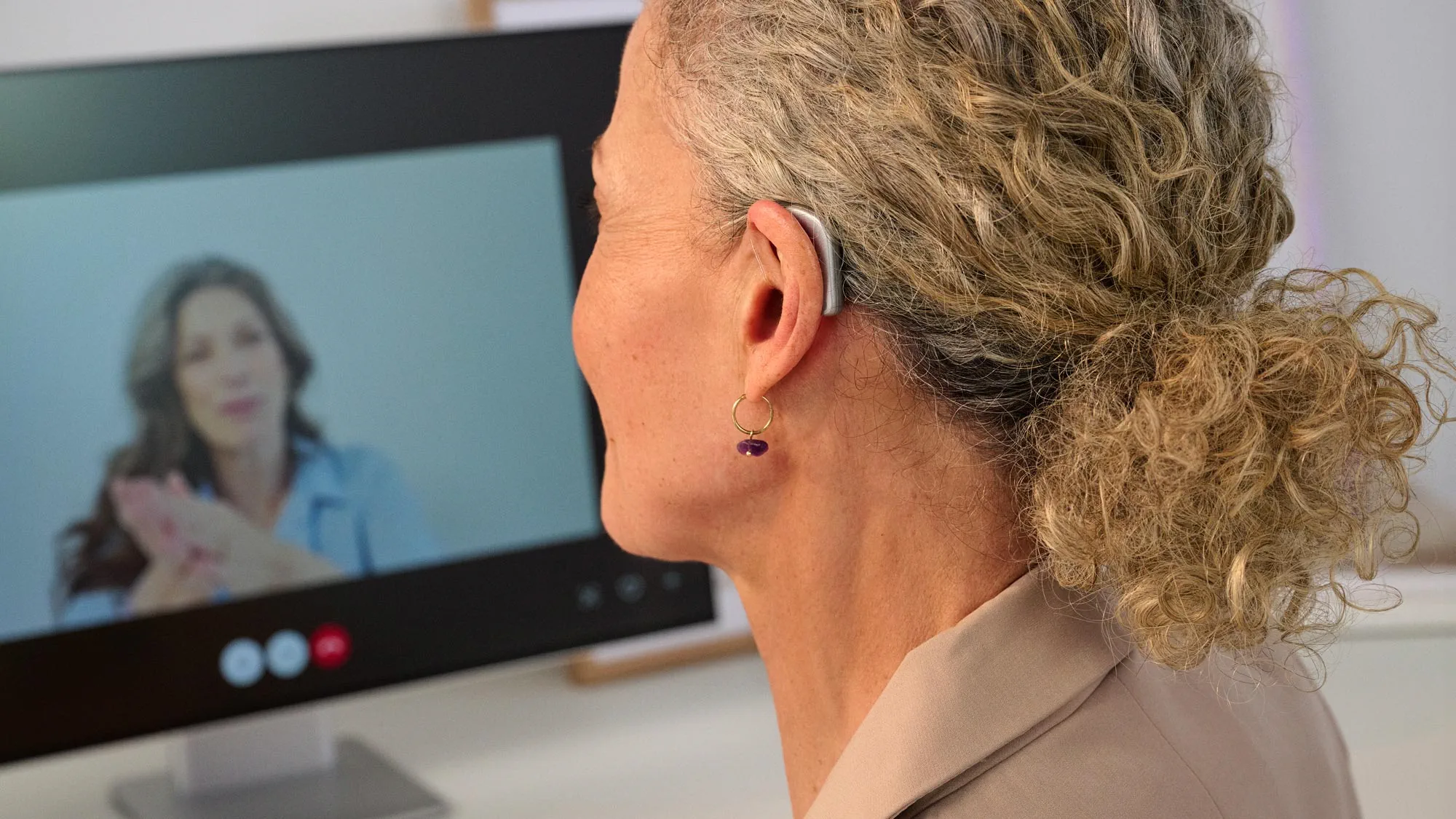
How to Clean Your Hearing Aids Correctly
Clean Your Hearing Aids the Right Way
Clearing hearing aids regularly can help prevent damage from things like moisture and debris, reducing the need for costly repairs.
Here are three key important things to remember:
- 1.
Follow a daily wipe-down and brushing routine
Using a dry, soft cloth - such as microfiber fabric - carefully wipe off the outside of your devices.
Use the hearing aid cleaning brush to lightly brush off any debris from components like the microphone, battery compartment, and buttons.
- 2.
Don’t forget to clean domes, earmolds, and wax guards
Clean off earwax from the hearing aids and wax guards, making sure to use a soft cloth and specific wax removal tool made for your devices.
Remove your earmolds or domes to wash them in warm, soapy water. If you’re unsure how, ask your hearing care specialist or check your hearing aid manual for guidance.
- 3.
Don’t expose hearing aids to water, alcohol, and harsh cleaners
All of these substances can damage internal components permanently and cause them to malfunction. This may also void the warranty on your device.

How to Avoid Damage From Moisture and Debris
Protect Them From Moisture and Debris
Sweat, Humidity, and Weather Exposure
If your hearing aids get wet from things like rain, swimming, sweat, showering, remove them immediately and follow these steps:
- Remove any moisture by carefully shaking them, then wiping with a soft cloth.
- Remove disposable batteries and keep the battery doors open to dry. If you have rechargeable batteries, don't charge them until they are completely dry.
- Put your devices in a hearing aid dry kit or dehumidifier.
- Once dry, put them on as usual and check to make sure they’re working. If you have any issues, make an appointment with your hearing care specialist.
Using Drying Tools or Dehumidifiers
A proper cleaning routine must include drying. From rain and sweat to splashes in the sink, your devices can get wet even if you do your best to avoid it. As part of your hearing aid cleaning routing, consider a:
- Passive dehumidifier - These affordable, non-electric containers use moisture-absorbing crystals or beads to dry devices overnight. They’re great for daily use, in environments with mild-to-moderate humidity, and for people with normal activity levels.
- Electric dryer - These devices are best for more humid environments and active people. They use fans and heat to pull moisture from hearing aids. Some also have sanitizing UV-C lights
- Charger/dryer combination - Some rechargeable hearing aid brands offer charger/dryer combination units that charge devices while also helping remove moisture overnight. These can be a convenient all-in-one solution for daily maintenance and protection.
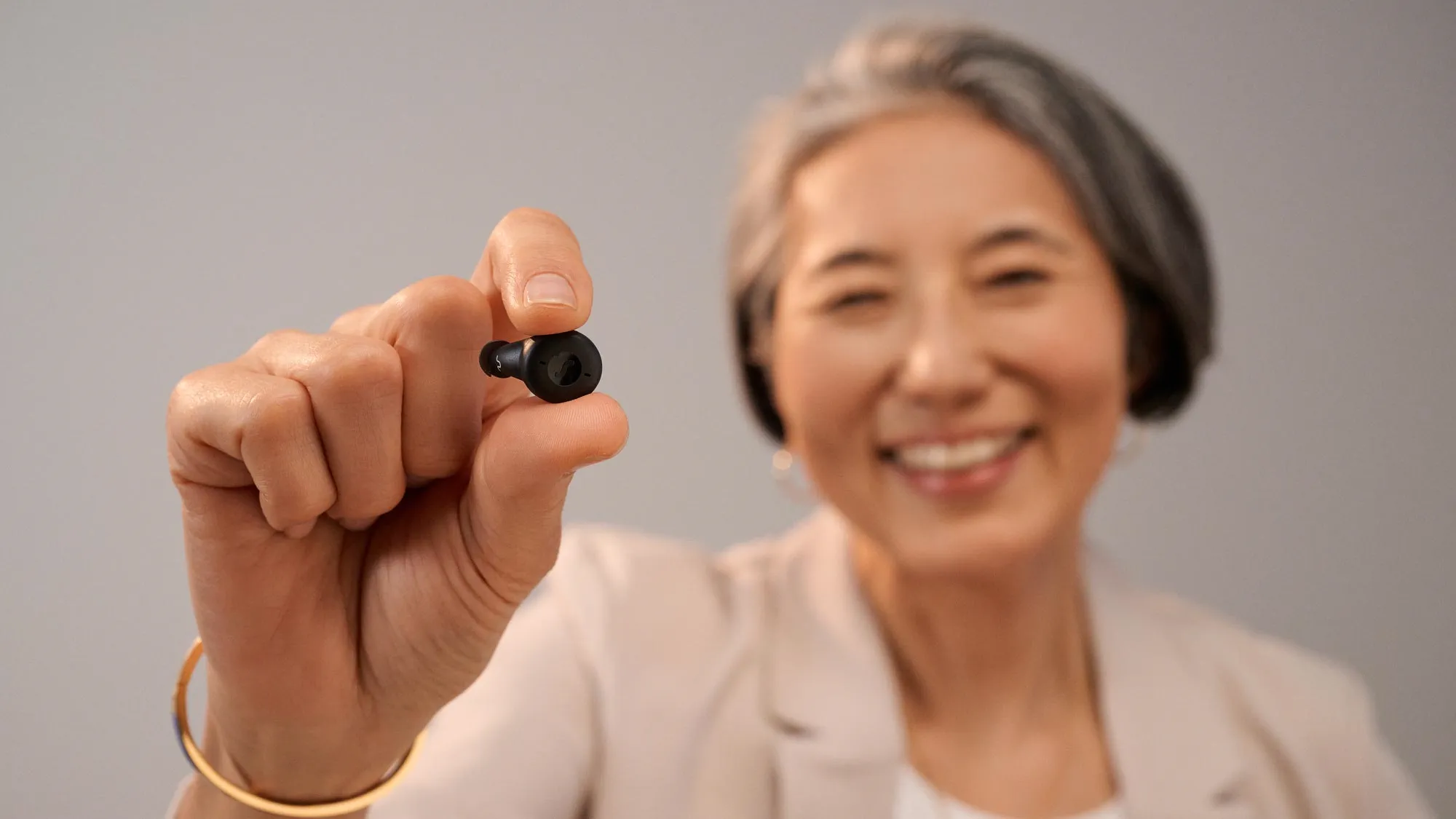
Debris Prevention During Hair Products, Makeup, and Sunscreen Use
To avoid getting products like hair spray, makeup, and sunscreen on your hearing aids, it’s ideal to put your devices on after you’ve applied those items and washed your hands.
If your devices do get dirty, wipe off any debris and wetness you see right away. And as mentioned earlier, follow your nightly cleaning and drying routine.
How to Store Hearing Aids While You Sleep
Store Your Devices Safely Each Night
Where to store hearing aids
Avoid leaving your devices out in the open where they can collect dust, or be easily knocked over, or taken by children or pets.
Instead, put them into a protective hard or charging case or a dry box or dehumidifier.
Handling rechargeable vs battery models
If your devices use traditional batteries, keep the doors open overnight to let air circulate and preserve the internal components.
For rechargeable models, place them in their charging dock or container overnight while you sleep.
Keep them in a safe environment
The best place to store hearing aids in general is in a higher, cool spot. This keeps them safe from curious pets and small children and in the ideal temperature.
You’ll also want to keep your hearing aids away from bathroom moisture and extreme heat, such as in a hot car or window.

Ongoing Professional Care Is Vital for Hearing Aids
Keep Up With Professional Maintenance

How to Get the Most Life Out of Your Hearing Aids
Ensuring Your Hearing Aids Perform for Years to Come
- 1.
Life can sometimes get busy, but do your best to not skip daily cleanings. This can cause buildup and poor performance, and potentially shorten the life of your devices.
- 2.
Daily cleanings only take a few minutes and make weekly cleanings much easier. You’ll have less buildup at week’s end if you keep up with a nightly routine.
- 3.
Remove your hearing aids while putting on things like hair products and sunscreen and during activities like showering and swimming.
- 4.
Keeping devices dry and clean and storing them correctly are important not only for performance and ear health, but also so you get the most out of your money.
Changes in Performance Doesn’t Always Mean They Need Replaced
Keep in mind that muffled sound or persistent static doesn’t necessarily mean you need new hearing aids. They may just need a professional deep clean or simple part replacement.
Over time, wax buildup or moisture can clog the hearing aid receivers, and a specialist using professional-grade vacuums can often restore that original clarity in minutes.
Before replacing your devices, have a technician check the internal components and swap out the domes and filters. These simple fixes may make your devices feel as good as new.

FAQs
Frequently Asked Questions
What is the average lifespan of hearing aids?
How often should I clean my hearing aids?
What shortens the lifespan of hearing aids the most?
Do rechargeable hearing aids last longer than battery models?
In general, hearing aids last anywhere from 3 to 7 years. Rechargeable hearing aids typically last around 4 to 5 years, which is usually the lifespan of a lithium-ion battery.
Keeping up with regular cleanings and maintenance can go a long way in extending the life of your hearing aids.