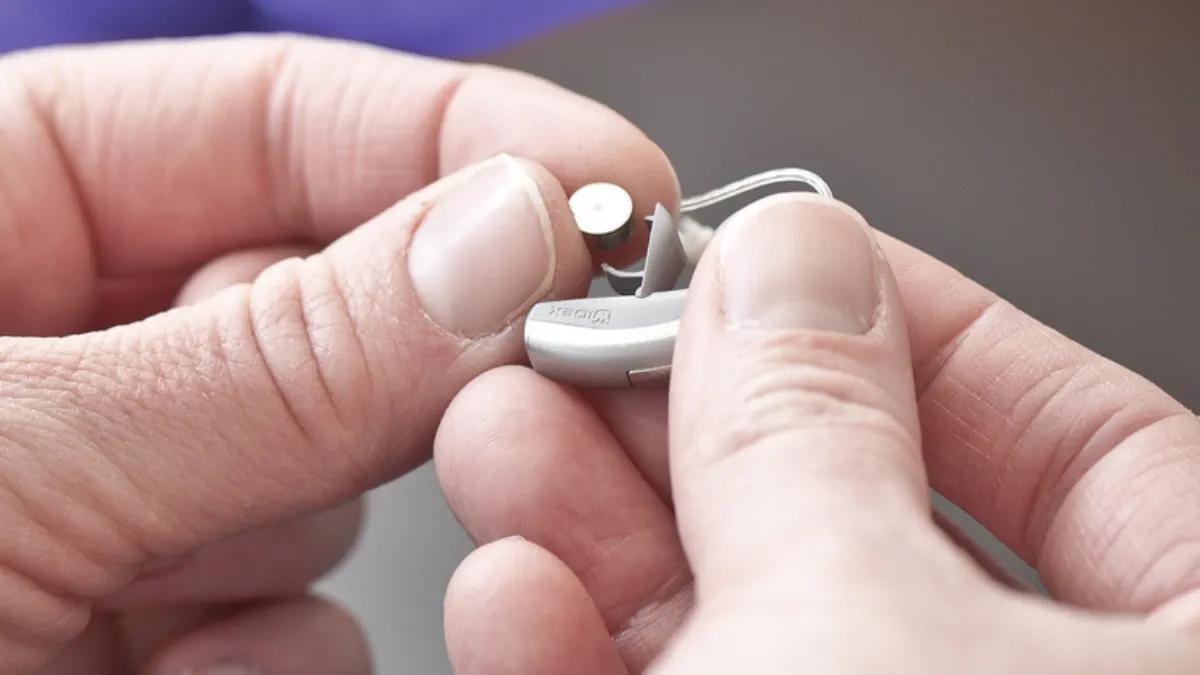
How Often Should Hearing Aids Be Replaced?

When to Replace Hearing Aids
4 Clear Signs It’s Time to Replace Your Hearing Aids
While the physical lifespan of a hearing aid is typically four to six years1 – influenced by factors such as build quality, maintenance, moisture exposure, and daily wear – the level of technology affects how current and beneficial the device remains over time.
As your hearing needs or lifestyle change, or as newer features for your hearing aids become available, it’s worth reassessing whether your current devices are still the best fit for you.
Regular check-ins with your hearing care provider can help you stay ahead of any performance issues or missed opportunities to upgrade.

Why Sound Quality Is Essential
Sign #1: Diminished Sound Quality
It’s all about the sound; if your hearing aids aren’t delivering the crisp, clear listening experience you’re used to, you may not be getting the best performance anymore.
Some of the symptoms include difficulty understanding speech, muffled sounds, whistling noises, intermittent sounds, distortion2, turning up the television, and asking people, “What did you say?”.
Your hearing may change over time, so it’s important to have an annual check-in with your hearing care provider. They can advise if you need an adjustment, or if you might need new hearing aids, based on the degree of your hearing loss or the condition of the hearing aids themselves.2
Malfunctioning Hearing Aids
Sign #2: Frequent Repairs and Malfunctions
- Simple cleaning to remove earwax build-up or debris causing blockages to the sound components.
- Minor adjustments, such as replacing tubes, wax guards, domes, cleaning the receivers or adjusting the sound settings.
- Extensive repairs if the damage is more severe, which can involve sending the device back to the manufacturer.

Technology Advances in Hearing Aids
Sign #3: Outdated Technology
Hearing aids are continually advancing with new features that improve sound clarity and performance. Today’s clients expect seamless hearing and convenient new features, and are often eager to access breakthroughs as they are released.
Brands like Signia, Widex, and Rexton lead the way in high-tech, innovative hearing aids with features such as:
 Rechargeability
 Health and fitness tracking
 Seamless and convenient hearing experience
 Settings tailored to your needs
 Hands-free calls
 Music streaming for longer4
 Wireless, on-the-go charging4
 Reduced background noise
 Motion sensors and sound directionality

Lifestyle Changes and Their Impact on Hearing Aids
Sign #4: Changes in Lifestyle and Needs
If a new job, new hobbies or retirement have changed the way you spend your time, it’s a good time to check whether your hearing aids still suit your needs.
Research shows that different lifestyles play a significant role in the decision to replace hearing aids. You might opt for specific features, new functions or a style that better fits your life and helps you communicate with confidence.
If you’ve experienced a change in your lifestyle, now might be a good time to review your situation and update your hearing aids.

What Are the Benefits of Updating Hearing Aids?
Benefits of Upgrading Your Hearing Aids
Are your current hearing aids keeping pace with the way you live today? Your hearing aids are with you every day, helping you confidently experience every moment, big or small. Life changes, and your hearing does too, so you might be wondering whether your hearing aids need an upgrade.
Just like each new mobile phone model brings with it an exciting array of upgraded features, hearing aids are also a space for exciting innovation and rapid change.
If you think it’s time for an upgrade, book in for a review of your hearing and take a look at the latest hearing aid models on the market.
New hearing aids can bring you many valuable benefits:
- 1.
Sharper, clearer sound:
Newer models often come with advanced sound processing, helping you hear speech more clearly, especially in noisy places like restaurants, family gatherings or at work. - 2.
Stay connected with ease:
Modern hearing aids seamlessly connect to your smartphone, TV or computer, enabling hands-free calls and on-the-go music streaming. - 3.
Rechargeable hearing aids are the future:
Rechargeable hearing aids eliminate the hassle of changing batteries, which is ideal for people who want convenience or have dexterity concerns.

Upgrades and Insurance Coverage for Hearing Aids
In many countries, upgrades for your hearing aids may be partially or fully covered by medical insurance, government subsidies, or national health services.
Coverage varies, so it’s worth checking with your local hearing care provider, insurance company, or government health authority to understand what support may be available.
If you’re unsure, your hearing care provider can help guide you through your options.

1. Arun, A. and Yadav, M.C. (2024) ‘Factors influencing the decision to upgrade or replace existing hearing aids among users’, International Journal of Speech and Audiology, 5(1), pp. 40–44. https://www.rehabilitationjournals.com/speech-and-audiology-journal/article/50/5-1-10-214.pdf
2. Bloom Hearing: Hearing Aid Repairs: https://www.bloomhearing.com.au/hearing-services/hearing-aid-repairs/
3. WSAudiology: Innovation: https://www.wsa.com/innovation
4. Signia: The new Pure Charge&Go BCT IX: https://www.signia.net/en/hearing-aids/integrated-xperience/pure-charge-go-ix/bluetooth-connectivity-transformed/