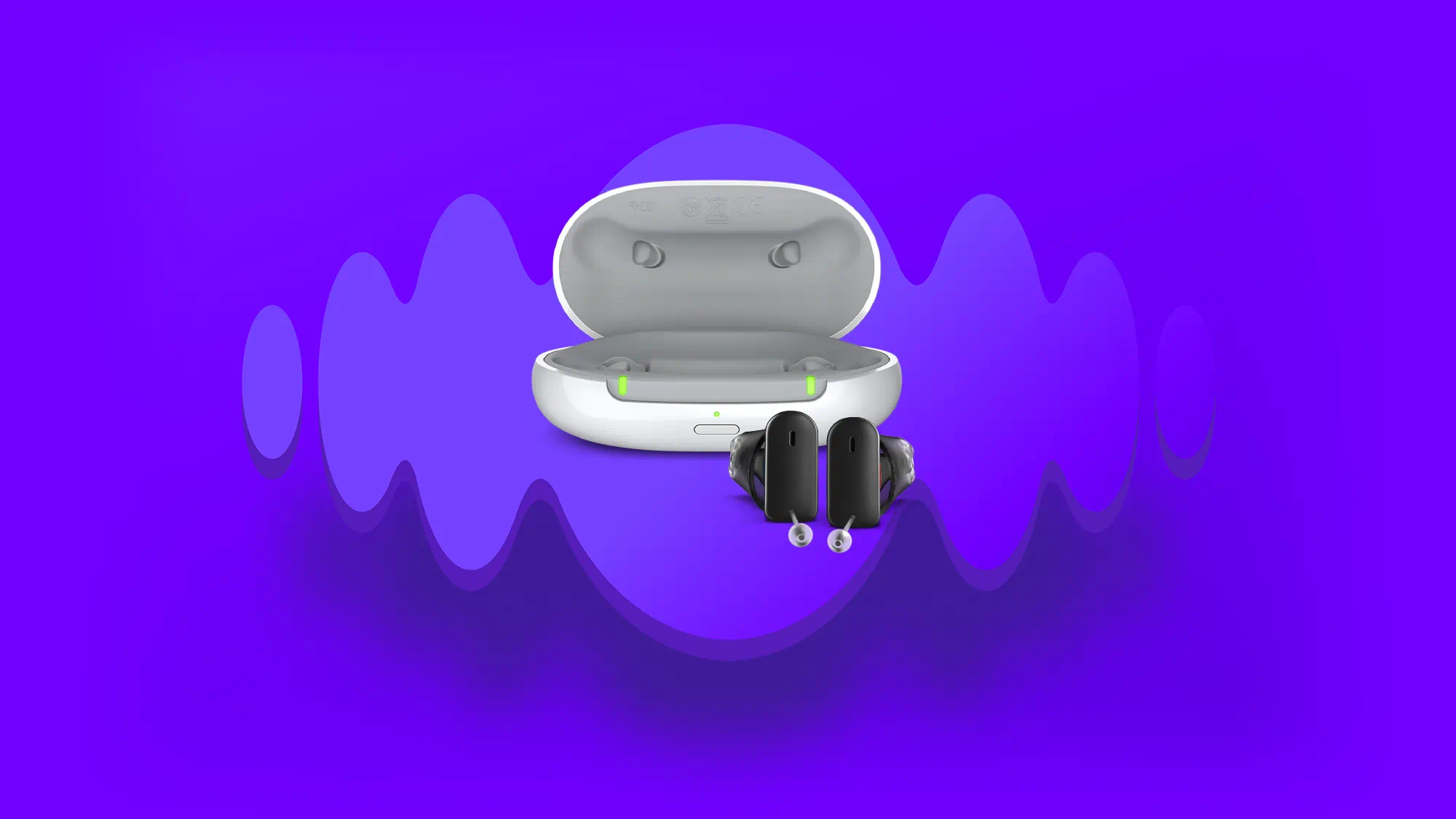
Are Hearing Aids Tax Deductible?

How Hearing Aids Qualify for a Tax Deduction
When Hearing Aids Are Tax Deductible
The Internal Revenue Service (IRS) considers hearing aids a qualified medical expense, which means you may be able to deduct the cost on your taxes. But, certain rules apply.
When you file your taxes each year, you have a choice on what type of deduction to take.
Standard Deduction
The standard deduction is a set amount determined by the IRS. You don’t get to claim individual expenses.Itemized Deduction
An itemized deduction means you can list “qualified” expenses, like hearing aids and other medical costs, which may lower your taxes if they add up to more than the standard deduction.

Medical Expense Thresholds and Income Limits
Keep in Mind:
You can deduct the total of medical expenses only if they exceed 7.5% of your adjusted gross income (AGI). Anything below that amount isn’t deductible.
Example
If your AGI is $50,000, 7.5% of that is $3,750. This means:
- If your total qualifying medical expenses are $3,750 or less, you can’t deduct them.
- If your expenses are more than that, $6,000 for example, you can deduct the amount that exceeds 7.5%, which would be $2,250 ($6,000 − $3,750).
You had to have paid for qualified medical expenses out of pocket, which means they weren't reimbursed by insurance.
Tax Rules That May Help Offset Hearing Aid Costs
IRS Rules for Deducting Hearing Aids as a Medical Expense
The IRS determines what is a qualified medical expense and shares it in Publication 502, which you can review online at IRS.gov.
IRS Publication 502 lists each medical expense that qualifies for a tax deduction. This list includes hearing aids and batteries, repairs, and maintenance needed to operate them.
You’ll also see all the other medical expenses that qualify, ranging from acupuncture and chiropractic care to dental and vision care.
You may deduct qualifying hearing aid expenses for yourself, your spouse, or eligible dependents, as long as you paid the costs out of pocket.
Keep itemized receipts, invoices, and any other proof of payment showing dates, amounts, and the medical purpose in case the IRS asks for this information.
Which Hearing Care Costs Are Tax Deductible
Hearing Aid Costs You Can and Can’t Deduct
Deductible costs
The money you pay out of pocket (for qualifying care) to meet your health plan deductible is a qualified medical expense.
For example, if your insurance covers hearing aids or hearing care, you’ll often have a deductible to meet first. Again, the deductible amount you pay is a qualified medical expense.
Remember that if your insurance paid for your actual hearing aids, you can not claim that amount as an expense on your taxes.
Non-deductible or limited costs
Publication 502 also lists costs and services that do not qualify as deductible medical expenses.
For hearing aids, cosmetic upgrades, convenience features, or non-medical accessories may not qualify, even if they’re purchased with your hearing aids.
Ongoing maintenance and follow-up care
Who Can Claim Hearing Aids on Their Taxes
Who Qualifies to Claim a Hearing Aid Tax Deduction
Income Requirements and AGI Thresholds

Seniors and Retirees
Hearing Loss Disability Considerations

Can You Deduct Hearing Aids on Your Taxes?
Are Hearing Aids Tax Deductible for You?
Hearing aids are one of the most important investments you can make for your health. And why not save every penny you can in the process?
Your devices may be tax deductible depending on your income, amount of medical expenses, and type of tax deduction you choose.

Still not sure?
FAQs
Frequently Asked Questions
Are hearing aids always tax deductible?
Can I deduct hearing aids if I don’t itemize?
Are OTC hearing aids tax deductible?
Can I deduct hearing aids purchased for a family member?
Yes, you can deduct hearing aids purchased for a family member if the person is your spouse, or a qualifying relative or dependent, and you paid the expense out of pocket.
Refer to IRS Publication 502 for complete details.