
Having Difficulty Inserting Your Hearing Aids? Here’s What to Do.
Reasons It May Be Hard to Insert Your Hearing Aids
Why You May Have Difficulty Inserting Hearing Aids

#1 Normal Learning Curve for New Users
Just like any new habit or hobby, practice makes perfect. Your ears are sensitive, and understandably, you may be a little nervous inserting the device into your ear.
Be patient with yourself as you practice this new daily habit. It may take you a few weeks to get comfortable.
#2 Left vs. Right Confusion and Orientation Issues
Most hearing aids are color-coded: red for the right ear and blue for the left. Mixing them up is a common mistake when inserting them.
Take a minute each morning to do a quick check, to make sure you’re inserting each hearing aid into the correct ear.
#3 Earwax, Moisture, or Debris Making Insertion Harder
#4 Dexterity, Arthritis, or Limited Mobility Challenges
Today’s hearing aids are tiny, so they can be difficult to grasp, handle, or insert correctly, especially if you have arthritis, tremors, neuropathy in your fingertips, or other conditions that affect hand strength, sensation, or coordination.
Specialized tools, accessories, or a different hearing aid style can often help. Talk to your hearing care specialist if you’re having difficulty handling your hearing aids.
The Right Way to Insert Hearing Aids
How to Insert Hearing Aids Correctly: Step-By-Step
Once you master insertion, your devices will stay comfortable all day. Following a consistent routine reduces the risk of dropping your devices or causing irritation to your ear canal.
Here’s how to insert them correctly:
Before You Start: Clean Your Hands and Check the Device
Always wash your hands before handling your hearing aids. This helps prevent oil, dirt, and debris from transferring to the device, where they can clog microphones, speakers, or other components and affect performance.
Inspect the speaker or earmold for any visible wax, dirt, or moisture that could prevent a smooth insertion or impact sound quality.
How to Insert RIC/BTE Styles With Domes
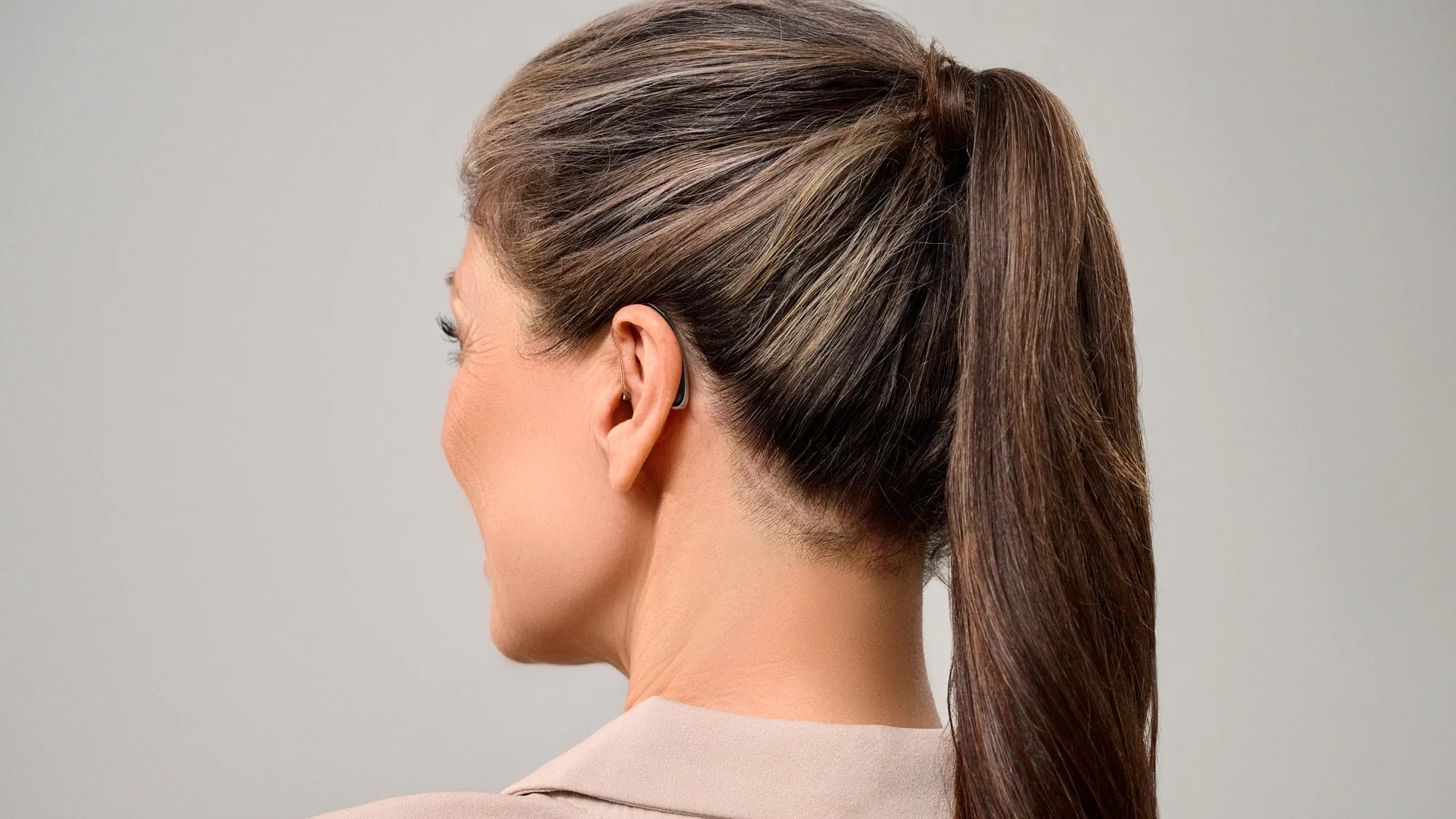
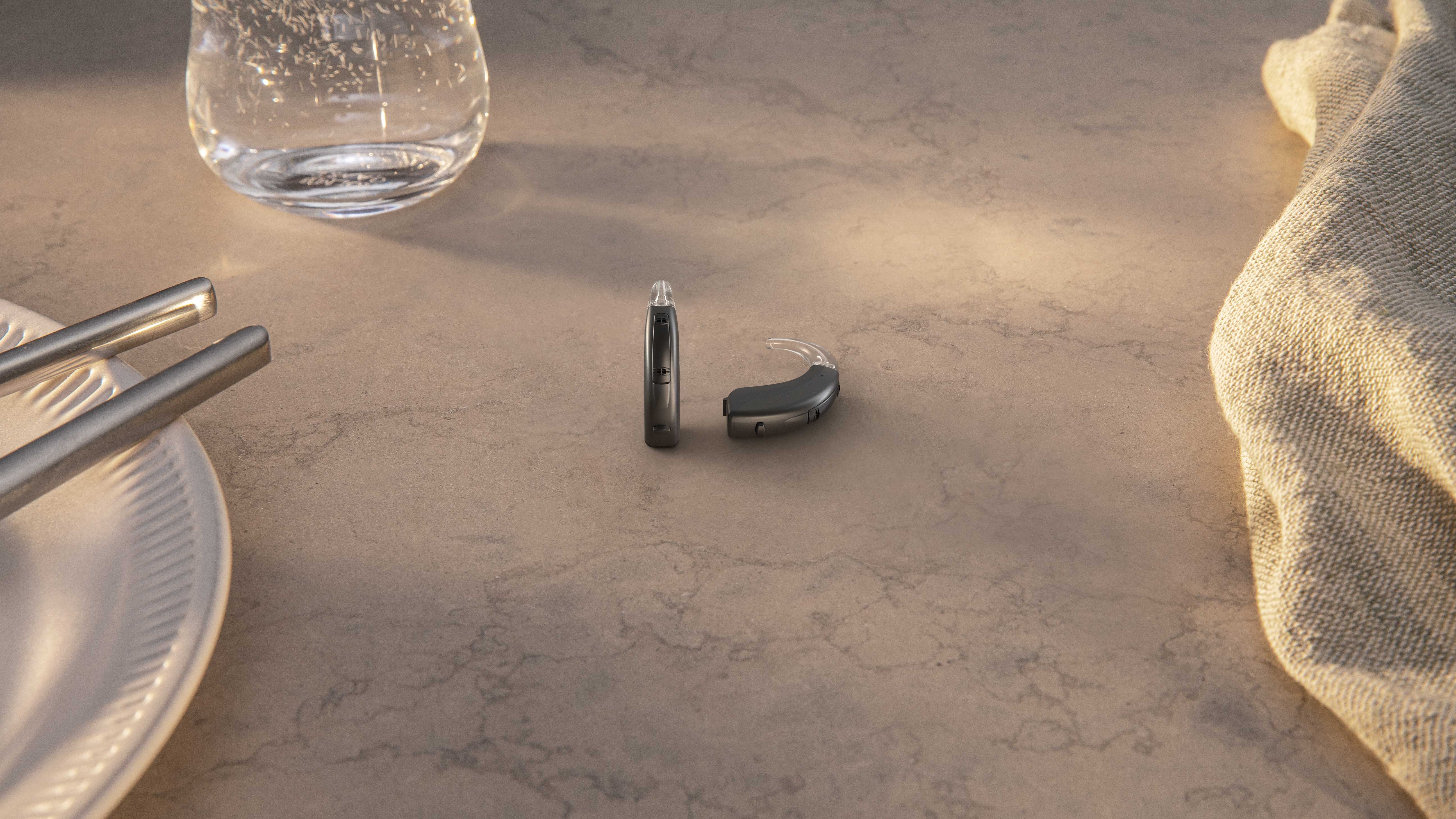
- Place the body of the hearing aid behind your ear, with the wire dangling over the ear near the opening.
- Pull your earlobe down and back gently to open up your ear canal, while pushing the dome into the ear canal.
- Adjust the wire as needed so it fits next to your head and ear.
How to Insert Custom Molds (ITE/CIC) Correctly
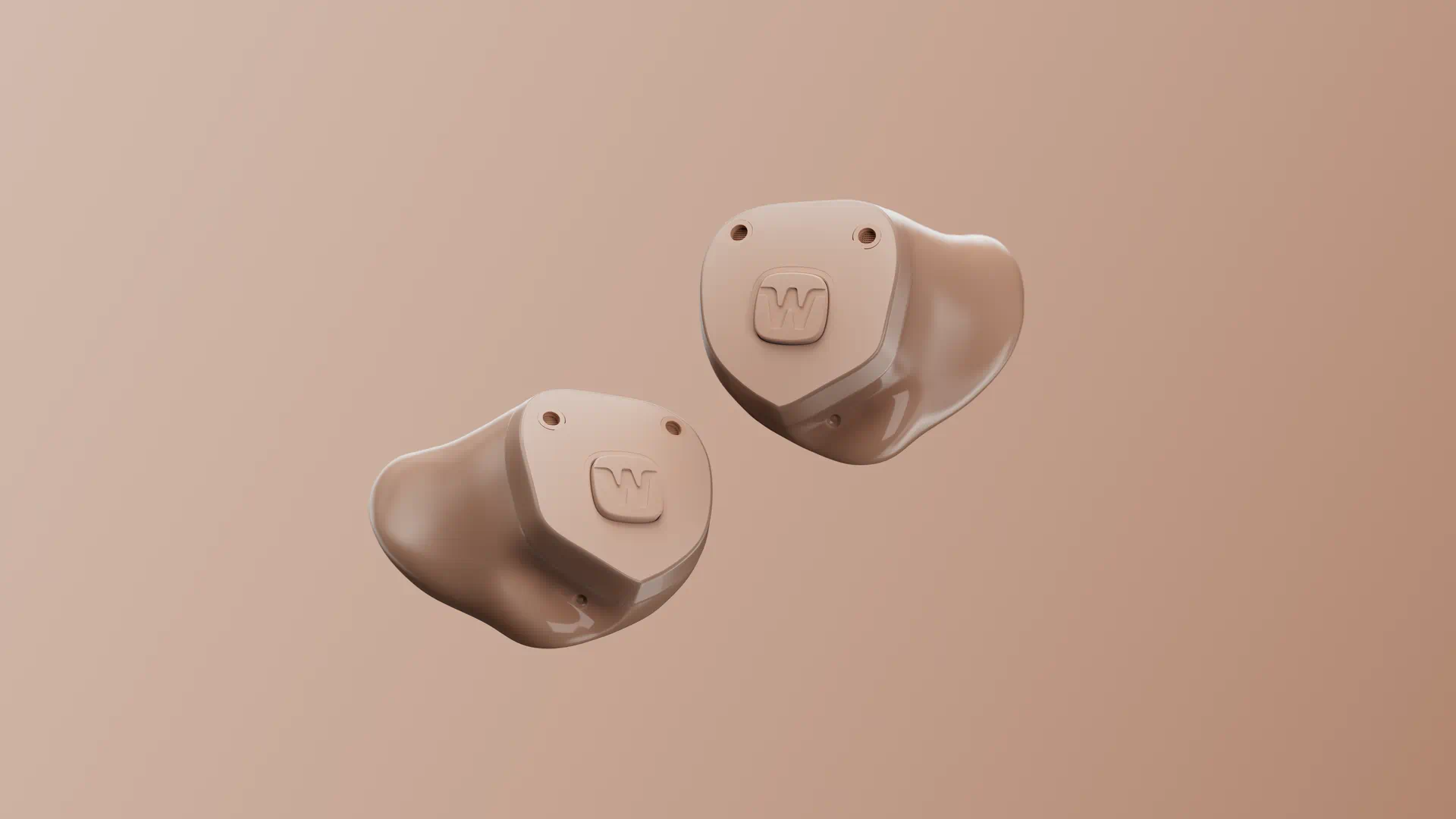
- Hold each device with your thumb and forefinger.
- Push the speaker (or dome) towards the nose.
- Press it gently into the ear canal. It should align with the natural shape of your ear and feel comfortable and snug once in place.
How to Know They’re Seated Properly
You’ll know your devices fit properly if they’re snug and comfortable - but not painful.
You’ll hear clearly, with no high-pitched whistling and feedback, notably when you move your jaw or touch your ear.
Quick Troubleshooting if It Won’t Go In
Never force a hearing aid into your ear. If you feel resistance or have pain, stop, or remove it, and check the angle and for debris.
You can also check to make sure the hearing aid dome isn't folded over. Sometimes, a tiny drop of water-based lubricant that’s made for hearing aids can help make insertion easier.
How to Tell if You’re Hearing Aids Aren’t the Right Fit
Signs Your Hearing Aids May Not Be Fitting Correctly
Pain, Pressure, Soreness, or Irritation
While a "full" feeling is normal at first, experiencing sharp pain or raw skin is not. Don't ignore persistent pain, redness or swelling in the ear canal.
These issues require a professional check up, as your hearing aids may be hitting a pressure point in your ear and the fit may need adjusted.
Frequent Slipping or Falling Out
Your hearing aid should stay put once you have inserted it.
If it slides out when you talk, exercise, or chew, the wire/tube might be the wrong length or the dome size is too small or too big.
A poor fit not only causes frustration and poor hearing, but you could lose your expensive investment during your daily activities.
Feedback/Whistling That Keeps Happening
High-pitched squealing occurs when amplified sound escapes the ear and hits the hearing aid microphone. If this happens constantly, it’s because you don’t have a proper fit or “seal.”
You may need a different dome style, such as moving from "open" to "closed" domes, or a custom-fit mold made just for you.
Muffled Sound or Inconsistent Performance
If your hearing aids don’t fit well, you may hear distorted or muffled sounds or feel like your ear is plugged up, making it difficult to hear clearly, or not hear anything at all.
If any of these issues occur, remove your hearing aid and reinsert it to see if that fixes the problem. If not, see your hearing care specialist for a fit check.

Get Professional Care if You’re Hearing Aids Are Uncomfortable
When to Ask a Hearing Care Professional for Help
Don’t wait to get help if your devices hurt your ears or keep falling out. Hearing care professionals are experts in fit who can make tiny adjustments for big improvements.
Here are 3 reasons to seek professional care:
- 1.
If pain and discomfort continue after the normal adjustment period
If you feel a significant "presence" or soreness after the initial adjustment period (14-30 days) and after consistent, daily wear, you may need a more customized solution for your ears. - 2.
If insertion is consistently difficult despite correct technique
If you struggle with your devices every morning, the style of your hearing aid might not match your hand dexterity levels or be the right fit for your ear.
A hearing care specialist can add removal handles or switch you to a more manageable device shape that is easier for you to hold and insert.
- 3.
If you need a different dome size, mold adjustment, or refit
Your ears are unique, just like your fingerprint. A hearing professional can check the dome fit and even swap your current device tips for a different style, if needed. We can also modify the molds in-house.
If you have custom ear molds, new ear impressions can be made to ensure the device matches the shape of your ear.

FAQs