Maintenance and Replacement

A Guide to Hearing Aid Domes
Hearing aid domes may be small, but they play a big role in how your devices feel and perform. Learn about the role they play and proper care.
Published 7/30/2026,
Updated 7/30/2026
3 min read
Reviewed by
HearUSA editorial team
Hearing aidsHearing aid accessories
Share article

Understanding the Basics
What Are Hearing Aid Domes
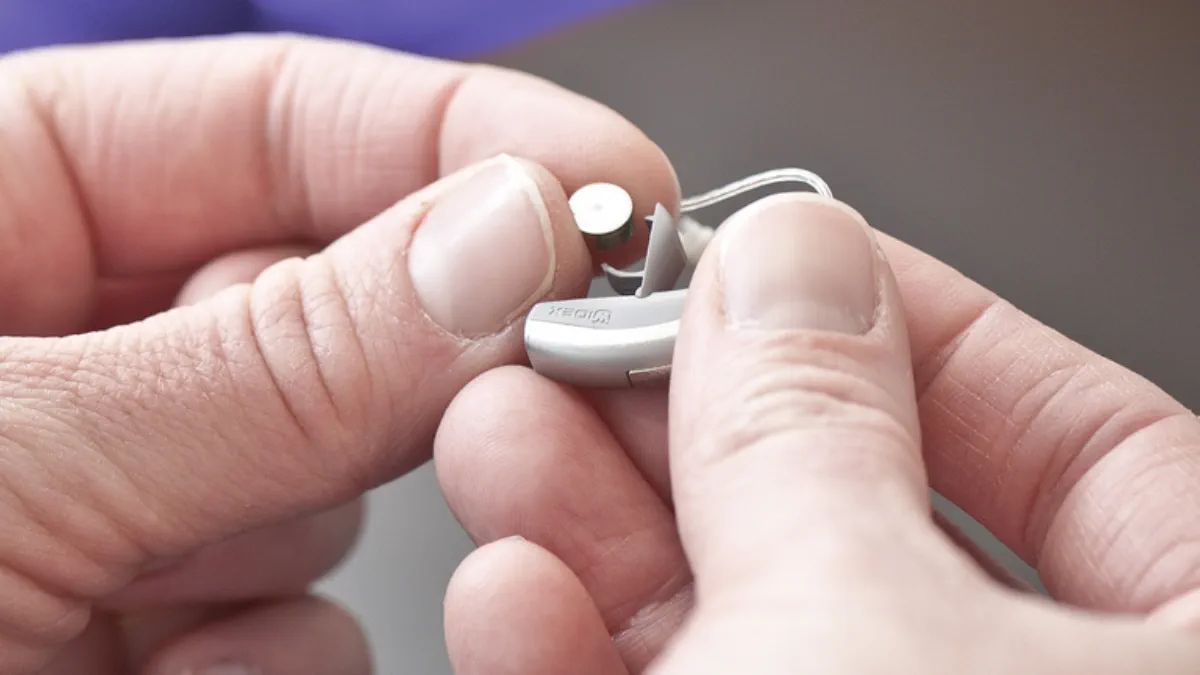
Hearing aid domes or “tips” are small, flexible, silicone pieces that attach to the end of your hearing aid receiver or tube. They fit comfortably deep inside your ear canal.
Domes serve as a bridge between your hearing aids, sound, and your ear canal. They also act as a tiny barrier between your ear and the device’s speaker, preventing feedback.
These tiny vital parts ensure your hearing aids stay securely in place while directing sound toward your eardrum.
Which Hearing Aid Styles Use Domes
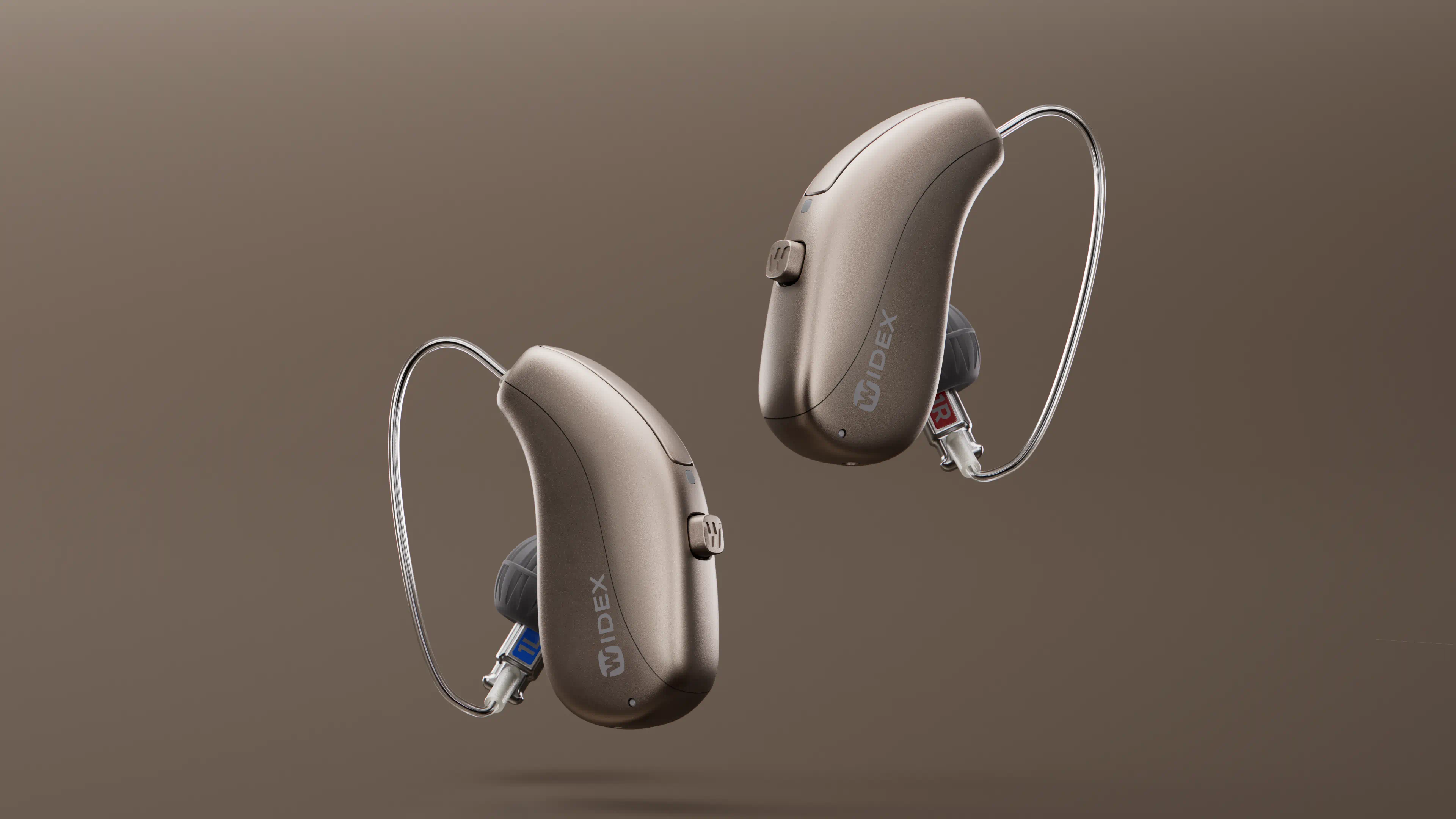
Hearing aid domes are most frequently used with receiver-in-canal (RIC) and behind-the-ear (BTE) hearing aid styles.
These powerful, discreet devices rely on flexible domes so they can adapt to different ear shapes, eliminating the need for a fully custom-molded ear piece.

Styles, Fit, and Benefits
What Different Types of Hearing Aid Domes Do
Domes for hearing aids control the external noise and air getting into your ear while you’re devices. While some allow external noise, some seal the ear off completely.
Here’s how dome types differ and what they offer:
Open Domes
Open domes feature built-in vents that allow natural sound and airflow to enter your ear. They’re ideal for mild to moderate hearing loss, keeping sound feeling light and natural.
Closed Domes
Closed domes have less vents, providing more sound isolation. They block more external sound, boost the amplification of lower frequencies, and help prevent sound leakage for a fuller sound experience.
Power Domes
Power domes feature a completely sealed design with no vents for the best sound retention. They are one of the best options for those with moderate to severe hearing loss.
Tulip Domes and Specialty Domes
Tulip domes, with overlapping petals, are a hybrid between open and closed domes. They offer all-day comfort and a moderate seal, making them best for mild to moderate hearing loss.
The Listener’s Experience
How Hearing Aid Domes Affect Fit and Sound
Hearing aid domes are essential for all-day comfort and wearability. If a dome is fitted correctly, you’ll barely notice it’s there, if at all.
Domes also control or eliminate feedback, whistling, and sound leakage. A proper fit and seal keeps sound moving forward into your ear, rather than escaping back out into the microphone.
This directly improves speech clarity and the loudness of sound. Additionally, the right type of venting prevents that frustrating, "plugged ear" sensation, so your own voice sounds natural and balanced.

Finding the Right Fit
How to Know Which Hearing Aid Dome You Need
Your Hearing Loss Level Matters
Your degree of hearing loss dictates the best dome for you. More severe hearing loss requires more sealed domes, such as closed or power domes, to deliver the best experience.Ear Canal Shape and Comfort Considerations
Every ear canal is shaped differently. The size and style of your dome must match your ear structure to prevent sore spots or slipping throughout the day.Why Dome Size Affects Performance
To fit a variety of ears, hearing aid domes come in small, medium and large sizes. Extra large may also be available for your devices as well.
The right size and fit are crucial for a good hearing experience:
- A dome that is too small for your ear may not stay in place, causing sound to leak and whistling, or other feedback.
- A dome that is too large will cause physical discomfort and affect the balance of sound.
Professional Fitting and Adjustments
It’s important not to guess your dome size or switch dome types without professional guidance. Changing it can change comfort, sound quality, and potentially cause unwanted feedback.
See your hearing specialist with any dome concerns and changes to ensure you always have the best fit and hearing experience.
Maintenance and Replacement
When to Clean or Replace Hearing Aid Domes
It’s important to clean your hearing aid domes every night once you remove your devices for the day. Daily cleaning prevents earwax and debris from blocking the sound port
Replace your domes immediately if you notice cracking, stiffness, discoloration, or looseness. Discomfort or a sudden drop in sound quality are also clear warning signs they need replaced.
How to Safely Clean Domes
Cleaning your domes should be part of your nightly hearing-aid maintenance routine to keep your hearing aids performing their best.
Follow these steps to clean standard domes:
- Remove the dome from the hearing aid receiver or tubing.
- Use a soft, dry cloth or tissue and wipe off any wax or debris.
- You can also use a soft-bristled brush to gently brush away wax particles.
- Reattach the dome to the hearing aid receiver after cleaning.
As long as your domes can be removed from your hearing aids, you can use a mild soap and warm water to clean the domes.
Let them dry completely before reattaching to your hearing aids. Never use water or alcohol while they’re attached to your hearing aids.
Full size

FAQs
Frequently Asked Questions
What are hearing aid domes used for?
Used with RIC and BTE hearing aids, domes attach to the end of the hearing aid wire or tube to ensure a secure fit inside your ear canal.
They also help direct sound toward your eardrum and control how much natural background noise enters your ear.
What are the different types of hearing aid domes?
Domes come in open, closed, power, and tulip styles. These designs seal the ear at different levels to optimize sound quality and block unwanted background noise.
Each style is designed to accommodate different levels of hearing loss and ear sizes.
How often should hearing aid domes be replaced?
For ear health and hearing aid performance, replace your domes every two to three months. Replace them sooner if the silicone becomes stiff, cracked, torn, or stretched out.
What happens if I use the wrong hearing aid dome size?
The wrong size can cause physical pain, feedback/whistling, or muffled sound. It can also cause the device to slip completely out of your ear.
Can I clean hearing aid domes at home?
Cleaning hearing aid domes can be done at home by gently wiping them with a dry cloth daily.
- If your domes are removable, remove them from your hearing aids and gently clean them in mild soap and warm water.
- Let them dry completely before reattaching to your hearing aids. Never use water or alcohol while they are attached to your hearing aids.
Share article