
Hearing Aid Parts Explained
Hearing aids may be small, but they’re packed full of important parts that work together to improve sound clarity and everyday wearability. Here’s a simple breakdown of hearing aid components.
Published 6/30/2026,
Updated 7/31/2026
3 min read
Reviewed by
HearUSA editorial team
Hearing aids
Share article

Learn All the Important Parts of a Hearing Aid
The Main Parts of a Hearing Aid at a Glance
Modern hearing aids consist of internal high-tech components for sound and external pieces designed for fit. Together, they ensure that sound is captured, improved, and delivered comfortably to your ear.
Core Internal Components

Microphones
pick up sounds from your environment
Processor
the "brain" that cleans and clarifies the audio
Amplifier
increases sound strength and signal depending on your individual needs and programmed hearing settings
Receiver
tiny speaker that sends sound into your ear canal
Battery
power source that keeps the device running
External Fit and Comfort Parts

Domes or earmolds
the tiny piece that fits inside the ear and delivers sound to the inner ear (completely-in canal (CIC) hearing aids don’t have these parts)
Tubing or wires
a wire or tube connects the body of the hearing aid behind the ear to the part that goes inside the ear canal (for receiver-in canal and behind-the-ear hearing aids)
Wax guards
Small filters that protect the devices from ear wax

Discover How Hearing Aid Components Deliver Clear Sound
How Hearing Aid Parts Work Together
While the tiny internal hearing aid parts are impressive on their own, the real magic happens when they work together in perfect harmony.
Here is the journey sound takes through your device:
- The internal microphones act as the "ears" of the device, constantly scanning your environment to capture incoming acoustic sound waves from every direction.
- Once captured, that sound is instantly converted into a digital signal. This allows the hearing aid's tiny computer chip to quickly analyze the data.
- The digital processor then goes to work, filtering out distracting background noise and sharpening speech frequencies based specifically on your unique hearing needs.
- Finally, the receiver converts that digital signal back into clear, amplified sound waves, delivering them directly into your ear canal.
To learn more about this process, explore our guide on how hearing aids work.

Full size
Take a Deeper Dive Into the Inside of a Hearing Aid
The Components That Capture and Process Sound
The internal parts of a hearing aid do the heavy lifting. They transform raw audio into clear speech and sound that’s easier for your brain to process.
Here’s a deeper look into each part:
Microphones
Microphones pick up the sounds around you. Most modern hearing aids use directional microphones that focus on speech in front of you while reducing distracting noise from the sides and behind, making conversations easier to follow in busy environments.
Digital Processor (DSP)
The digital processor is the brain of the hearing aid. It analyzes incoming sound, reduces background noise, enhances speech, and processes millions of calculations per second to deliver clear, natural sound without noticeable delay.
Amplifier
The amplifier increases the volume of processed sound based on your hearing needs. It makes sounds easier to hear while maintaining comfort and clarity, helping prevent speech from sounding overly loud or distorted.
Receiver
The receiver, also called the speaker, delivers processed sound into your ear. Depending on the hearing aid style, it sits either inside the ear canal or within the device behind your ear while providing clear sound across different frequencies.
Bluetooth
Bluetooth technology lets compatible hearing aids connect wirelessly to smartphones, TVs, and other devices. You can stream calls, music, and audio directly to your hearing aids, while synchronized settings ensure both devices adjust together for a seamless listening experience.
Uncover the Why Behind a Hearing Aid’s Design
The Parts That Affect Fit, Comfort, and Wearability
While the internal parts handle the sound, the external hearing aid components determine how the device feels and fits. A proper fit is essential for consistent, daily use.

Domes
Domes are soft silicone tips that fit inside your ear and attach to the hearing aid. Available in different sizes and open or closed styles, they help provide a comfortable fit while optimizing sound quality based on your hearing needs.Earmolds & Custom Shells
Custom earmolds are made to match the exact shape of your ear for a secure, comfortable fit. Often recommended for greater hearing loss, they improve sound retention and help deliver more powerful amplification.Tubing & Earhooks
Tubing and earhooks connect the hearing aid worn behind your ear to the earmold inside your ear canal. They direct sound efficiently while helping keep the device secure and comfortable throughout the day.
Retention Locks
Retention locks are small accessories that help keep hearing aids securely in place. They fit discreetly inside the outer ear, reducing the risk of the device slipping out during everyday activities or exercise.
Wax Guards & Filters
Wax guards are small, replaceable filters that protect the hearing aid receiver from earwax and moisture. Replacing them regularly helps maintain sound quality, prevents common performance issues, and extends the life of your hearing aids.
Understand How Parts Differ Between Hearing Aid Styles
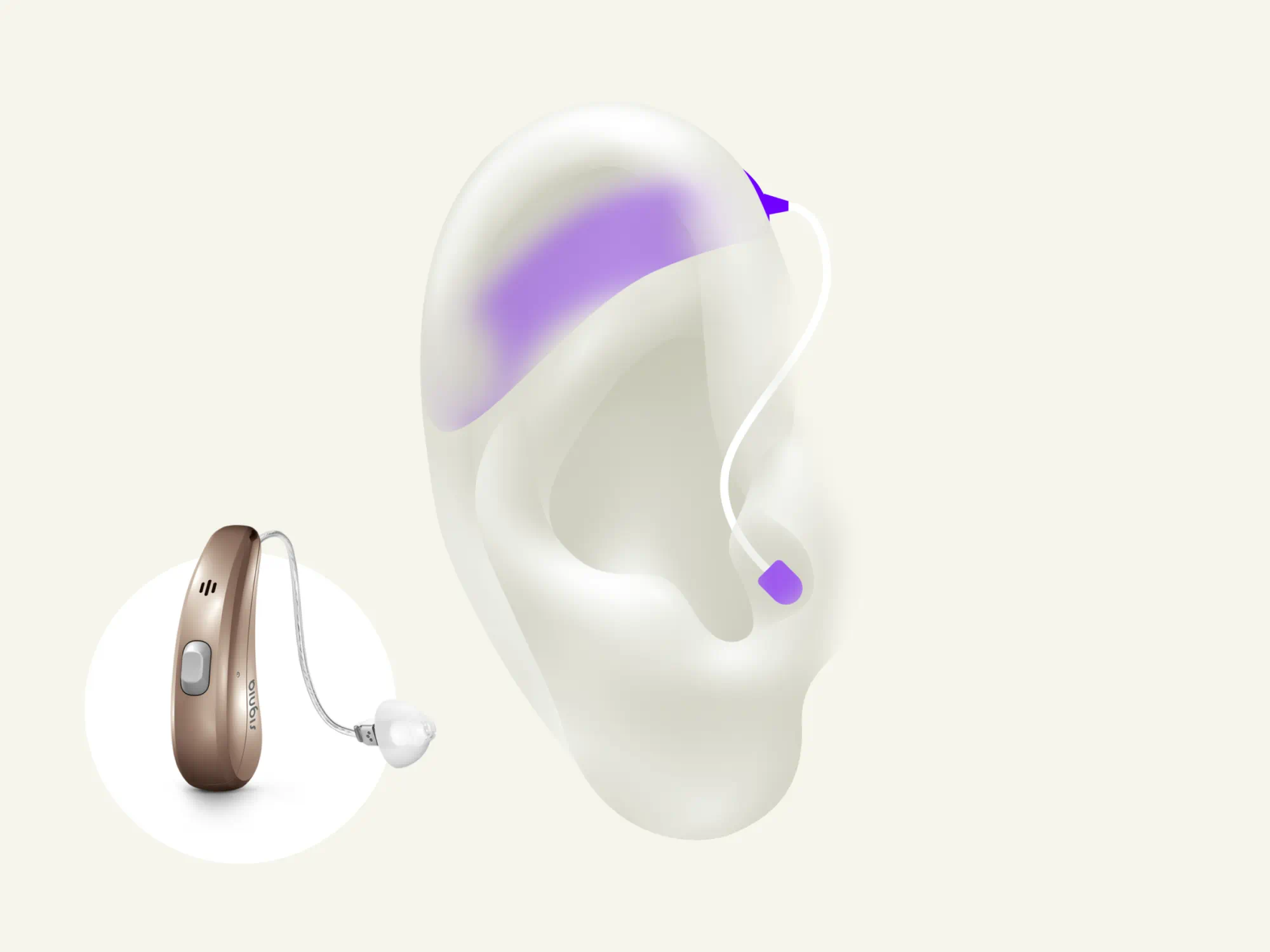
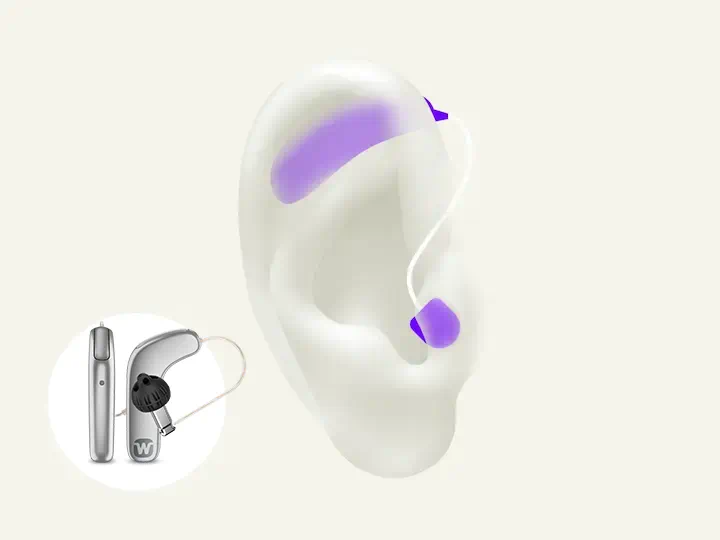
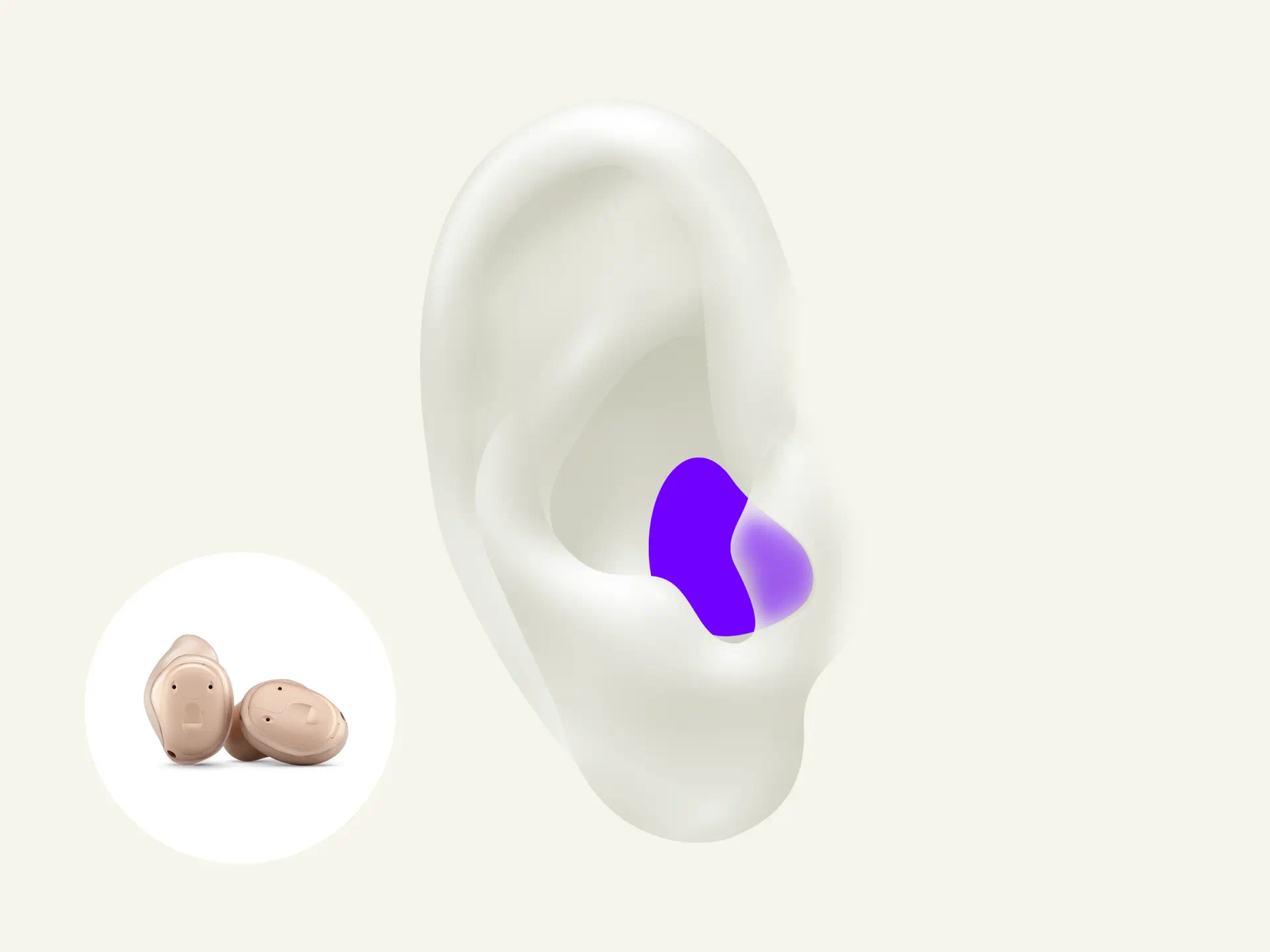
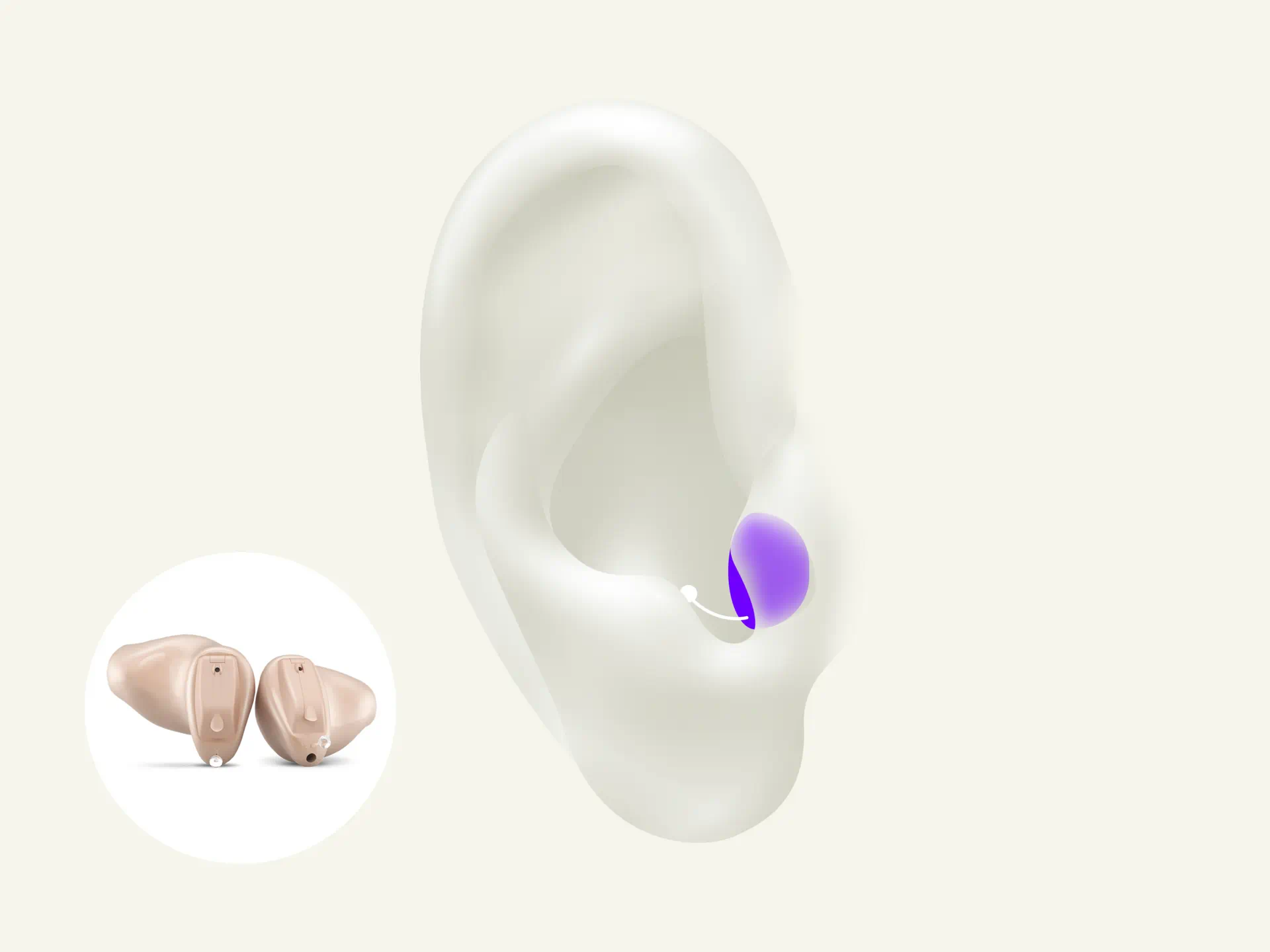
How Hearing Aid Anatomy Can Vary by Style
Hearing aid parts can be different, depending on the device style you choose.

Don't wait!
Understanding how hearing aids work is a great first step toward better hearing. Book a screening at HearUSA to learn which hearing aid style fits your lifestyle and budget.
FAQs
Frequently Asked Questions
What are the main parts of a hearing aid?
The four primary components are the microphone, the digital processor, the amplifier, and the receiver. Together, they capture, analyze, process, and deliver sound to your ear.
What part of a hearing aid makes sound louder?
The amplifier is responsible for increasing the volume. It uses the processed signal from the computer chip to provide the exact volume boost required for your specific hearing loss.
What’s the difference between a receiver and a microphone?
Microphones are the "ears" of the device that pick up sound. The receiver is the "speaker" that delivers the final, amplified sound into your ear canal.
Do all hearing aids have domes?
No, only certain styles like RIC or "open Fit" models use domes. Custom styles like ITE or BTEs with earmolds rely on a hard shell shaped specifically for your ear.
What parts should be replaced regularly (wax guards, domes, filters)?
You should regularly clear and replace wax guards and domes to maintain sound quality. If you use BTE models, the plastic tubing should be changed every few months.
Share article