
What To Do With Your Old Hearing Aids

Donate Old Hearing Aids to Help Others
Improve Lives by Donating Your Hearing Aids
Donating hearing aids that you’re no longer using can improve someone else’s daily life and overall well-being.
Donating also gives your old devices a chance at a second life instead of letting them sit unused or go to waste.

Who Can Benefit From Donated Hearing Aids?
Donated hearing aids can help support people of all ages, such as seniors, children, and veterans, if they can’t afford to invest in hearing technology.
By donating the devices you’re no longer using, you can help people with hearing loss hear the world around them again, improve their day-to-day interactions, and even help improve their brain health.1
What Types of Hearing Aids Can Be Donated?
Many styles of hearing aids, including behind-the-ear and in-the-ear models, are accepted for donation. Most programs will accept hearing aids of any age and condition and refurbish them.
If donation isn’t an option, these hearing aids can still be recycled.

Preparing Hearing Aids for Donation
Learn How to Safely Recycle Hearing Aids and Batteries
Recycle Hearing Aids and Batteries Safely
If it’s more convenient for you to recycle your hearing aids, be sure to do so the right way. This protects the environment and allows parts to be reused.
Why hearing aids shouldn’t go in the trash?
Hearing aids contain electronic parts and small batteries that can leak harmful substances if thrown away. Proper recycling helps protect the environment and keeps these materials out of landfills.
How to Recycle Hearing Aids Responsibly
Separating materials.
Managing electronic waste responsibly.
Making sure internal parts are handled according to environmental and safety standards.
Hearing aid batteries should be recycled through approved programs to prevent chemical leaks, reduce fire risk, and protect recycling facilities.
Doing so also helps to make sure hazardous materials are safely handled and kept out of the environment.

Trading in and Upgrading Your Hearing Aids
Trade In Old Hearing Aids When Upgrading
Trading in hearing aids can save you money on upgrades and allow for device reuse, making the switch to newer technology convenient and environmentally friendly.
Some hearing care providers offer financial incentives or discounts when older hearing aids are returned during the purchase of newer technology.
Be sure to check with your audiologist or local HearUSA hearing center for specific details and discounts that may be available.
What to Expect When Upgrading at HearUSA
When upgrading at HearUSA, you receive personalized recommendations, access to modern hearing technology, and safe handling of your previous devices.
When you call one of our hearing specialists, they’ll talk to you about what to do with used hearing aids, upgrading, and if a trade-in would benefit you.
Donate or Recycle Hearing Aids Close to Home
Where to Donate or Recycle Old Hearing Aids Near You?
You can easily donate or recycle old hearing aids in and around your community.
Contacting local hearing care offices or organizations is a great way to get started.
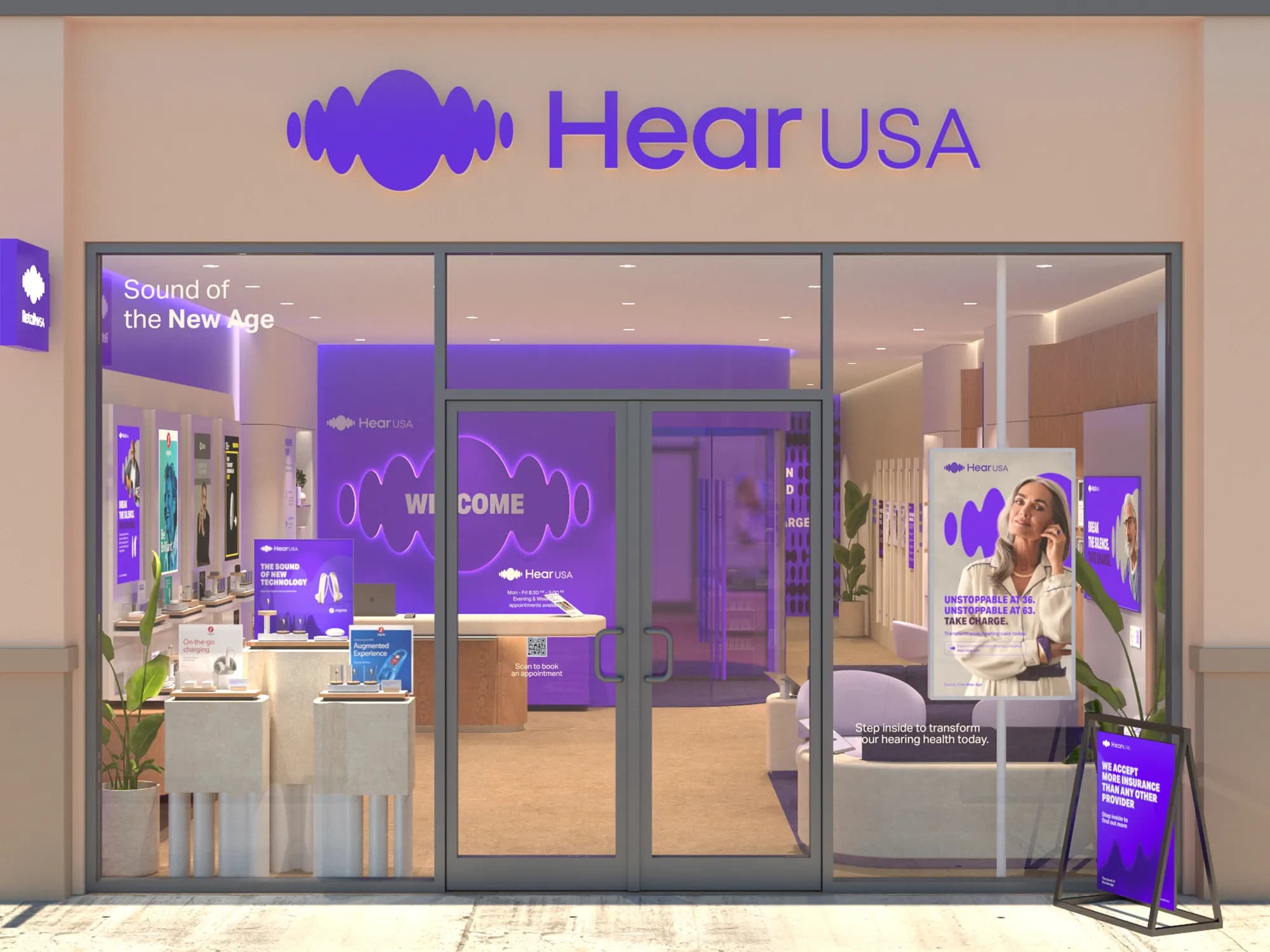
National and Nonprofit Donation Programs
Nonprofit organizations collect hearing aids nationwide, refurbishing them when possible and distributing them to individuals who lack access to hearing care.
Some examples of non-profits that can help include:
- The Lions Club: accepts donations of hearing aids and accessories at local chapter offices.
- Hearing Aid Project: accepts donations of hearing aids and accessories by mail.
- Your local Area on Aging may take donations as well, but make sure to call first to see if they’re accepting them.
Community Recycling and Collection Events
Local electronics recycling events often accept hearing aids and accessories, offering a safe way to dispose of devices while supporting environmental efforts.
To find an event near you:
- Contact your neighborhood or local city government.
- Search for “ecycle events near me” online.
- Search for an event near you.

Give Your Old Hearing Aids a Second Life
Your Old Hearing Aids Can Still Be Useful
Your old hearing aids can still make a meaningful impact. Reusing, recycling, or donating them helps protect natural resources, reduce pollution, and support more sustainable production.
Donated devices can restore communication, confidence, and independence for people who lack access to hearing care.
According to multiple health and environmental organizations, the medical industry generates roughly 5 to 6 million tons of waste every year. A significant portion of this is medical devices.2
By donating or recycling, you can help lessen the amount of medical waste going into landfills each year.

Call Us About Upgrading and Donating Your Devices
FAQs
Frequently Asked Questions
Can you sell used hearing aids legally?
Are old hearing aids worth anything?
Can hearing aids be recycled if they don’t work?
Should I remove personal data before donating hearing aids?
What should I do with old hearing aid accessories?
Sources:
1 Johns Hopkins Medicine: The Hidden Risks of Hearing Loss (Accessed February 1, 2026)): hopkinsmedicine.org.
2 American Public Health Association: Advancing Environmental Health and Justice: A Call for Assessment and Oversight of Health Care Waste (november 7, 2022): apha.org.