5 Best Hearing Aids for Severe Hearing Loss - Audiologist Picks


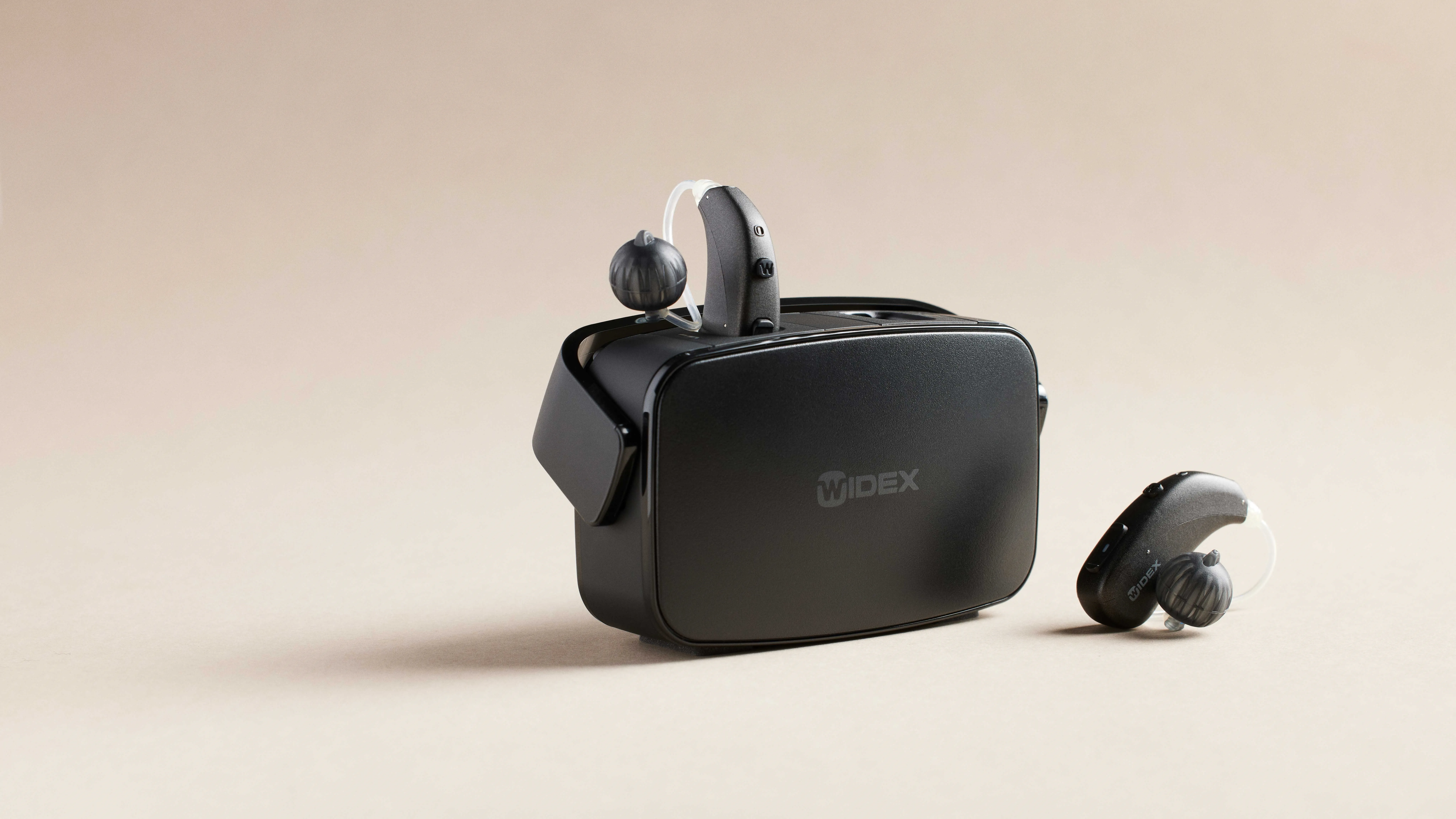
- One of the best hearing aids for severe hearing loss is Signia Motion Charge&Go SP IX because of its high-power output, AI-driven sound processing, and strong speech clarity in noise.
- Hearing aids use technologies like directionality and feedback suppression to help people with severe hearing loss hear speech clearly and reduce background noise.
- Behind-the-ear (BTE) hearing aids are often the best choice for severe hearing loss and require professional testing and fitting.
What Hearing Aids Work for Severe Hearing Loss?
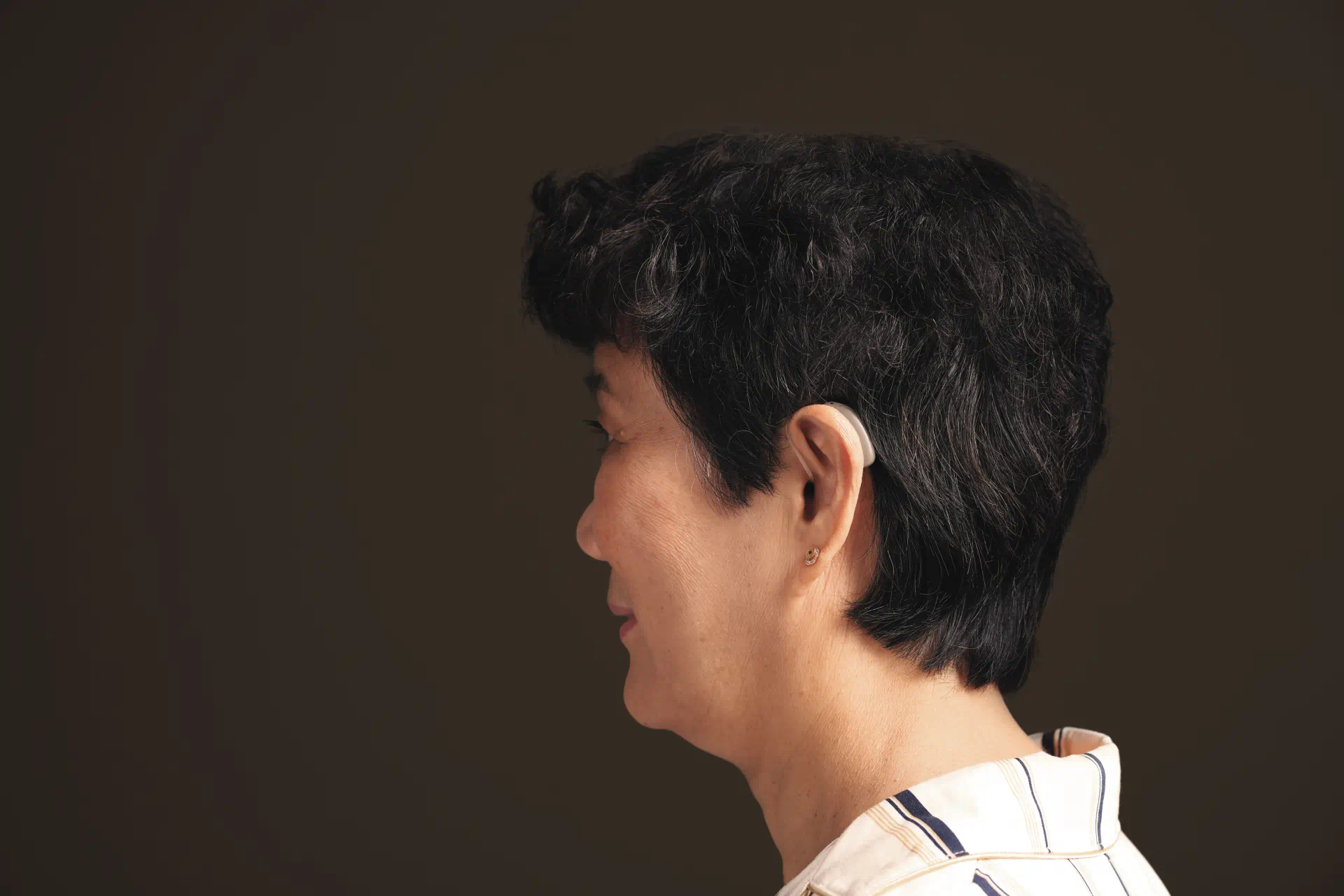
Hearing aids for severe hearing loss need to provide powerful amplification while keeping speech as clear and comfortable as possible. Power and super-power behind-the-ear (BTE) hearing aids are commonly used for severe hearing loss because they can provide higher levels of amplification than many smaller hearing aid styles.
The right hearing aid will depend on your individual hearing test results, including which frequencies are most affected and how much amplification you need.
Features such as speech enhancement, feedback management, directional microphones, noise reduction, rechargeable batteries, and Bluetooth connectivity can also make everyday listening easier.
Expert-Selected High-Power Models
Top 5 Hearing Aids for Severe Hearing Loss
.png?rev=9a2ccc1ddcf54526abedc78d36f71077&extension=webp&hash=53394381436C8FEBC705327EA6B93D92)
You can also consider:
#4 Phonak Naída Paradise UP – Best for maximum power
This device stands out as a powerful solution for profound hearing loss. It features StereoZoom, which isolates speech from background noise and Universal Bluetooth for seamless audio streaming. The RogerDirect accessory allows Roger microphones to stream audio directly to the hearing aids with clarity. It’s uniquely designed to provide maximum power and clarity in even the most challenging listening environments,
#5 Oticon Xceed SP – Best for 360° awarenes
This hearing aid provides a 360-degree natural sound experience, allowing you to follow multiple speakers effortlessly. The OpenSound Navigator feature scans your environment 100 times per second to balance speech and noise. Combined with BrainHearing technology and advanced feedback prevention, it delivers natural, whistle-free sound that helps your brain process conversations more easily in any setting.
Side-By-Side Comparison
Top 5 Product Comparison Table
Rank
Rank
Model
Best for
What you'll hear
#1
#1
#2
#2
Natural sound
#3
#3
Connectivity
#4
#4

What Is the Most Powerful Hearing Aid for Profound Hearing Loss?
Behind-the-ear (BTE) hearing aids are designed to provide the high levels of amplification often needed for severe to profound hearing loss. These devices typically offer greater gain and maximum power output than standard hearing aids, along with features designed to maintain speech clarity and manage feedback at higher amplification levels.
However, the most powerful hearing aid isn't necessarily the best hearing aid for every person with profound hearing loss.
The appropriate level of amplification depends on your individual hearing test results, speech understanding, listening needs, and the frequencies affected by your hearing loss.
Technology or Features to Look For
The Best Hearing Aid Features for Severe Hearing Loss
Feedback Management Systems
Adaptive feedback suppression is a critical "anti-whistling" feature. It identifies the high-pitched squeal caused by sound leaking out of the ear and cancels it before it becomes noticeable.
By stopping feedback instantly, these systems allow for much higher volume levels. This means you get the powerful amplification you need without any distracting distortion or noise.
Advanced Directionality (Beamforming + Binaural Processing)
Directional microphones act like a "zoom lens" for your ears. Your hearing aids work together (binaural processing) to zero in on the person talking to you.
This technology effectively reduces background noise by suppressing sounds coming from the sides or back. It allows you to stay focused on the conversation, even in busy environments.
High Dynamic Range & Output Power
A wide dynamic range is essential for severe loss. It ensures that soft sounds are boosted enough to be heard while loud sounds remain comfortable and clear
This balance prevents the loudest noises from becoming harsh. With high output power, you can experience a full spectrum of sound without losing clarity at high volumes.
Noise Reduction With Speech Enhancement
Many top devices now use AI to tell the difference between a human voice and a ceiling fan. This filtering reduces background “hums“ while sharpening speech at the same time.
This enhancement makes it much easier for your brain to process language. You’ll find that you can follow conversations longer without feeling the "listening fatigue" that often accompanies hearing loss.
LI-Ion Rechargeable Systems
Lithium-ion or Li-ion rechargeable batteries provide steady, reliable power required for high-output devices. They offer all-day performance on a single charge, even if you spend hours streaming audio or calls.
These systems eliminate the need for tiny, disposable batteries. Most models also feature quick-charging options, giving you several hours of use from just a few minutes of charging.
Wireless Connectivity & Remote Assist
Bluetooth allows your hearing aids to act as super-clear headphones. You can stream phone calls, music, and TV audio directly to your ears for unmatched clarity and personal volume control.
Some hearing aids also have remote assist, which means you can get adjustments virtually. Your hearing care professional can fine-tune your settings through a smartphone app, saving you a trip to the clinic for minor updates.

Things to Consider When Choosing a Device
How to Choose the Right Hearing Aid
Confirm your level of hearing loss
Severe hearing loss is a medical condition that requires professional testing. A comprehensive exam is the only way to determine the exact frequencies where you need the most help.
Prescription devices are necessary for severe hearing loss. They offer the specific power levels and precision tuning that "one-size-fits-all" devices simply cannot provide safely or effectively.
Choose the right style
The best hearing aid style for severe hearing loss is a behind-the-ear (BTE) model, with a receiver-in-canal (RIC) device coming in at a close second.
Their larger size offers the most powerful amplifiers, larger batteries, and more durability. While some custom in-the-ear styles are available, BTEs especially provide the reliability needed for high-gain amplification.
Prioritize speech clarity over volume
It’s a common misconception that sounds just need to be louder. For severe loss, speech clarity is the main goal - making sure words don't sound muffled or distorted.
A high-quality device will allow you to hear consonants clearly (such as “s”, “p”, “t”, “sh”) - which are vital for understanding speech. Pay attention to this when testing devices.
Consider daily lifestyle needs
Think about where you spend your time. If you love social, noisy restaurants or outdoor activities, you’ll want a device with strong wind reduction and advanced background noise filtering.
If you spend a lot of time on the phone or watching movies, prioritize Bluetooth connectivity. Choosing a device that fits your lifestyle ensures you’ll enjoy wearing it every day.
Review Cost and Coverage
Hearing aid pricing varies based on the level of technology included. Our pricing guide can help steer you toward the best solution that fits your needs and budget.
Remember, hearing aids are a long-term investment in your cognitive, physical, and social health. You deserve to hear your best and with ease, and love your life.
Keep in mind:
Insurance Coverage
Financing Options
Long-Term Value
Whey Prescription Hearing Aids Are a Must
Prescription vs OTC Hearing Aids for Severe Hearing Loss
OTC Hearing Aids
Over-the-counter (OTC) hearing aids are specifically designed for those with mild to moderate hearing loss. They’re not intended for severe needs.
OTC devices lack the specialized power and professional customization required for severe loss. Attempting to use them often results in frustration and sound quality that doesn’t meet your needs.
Prescription Hearing Aids
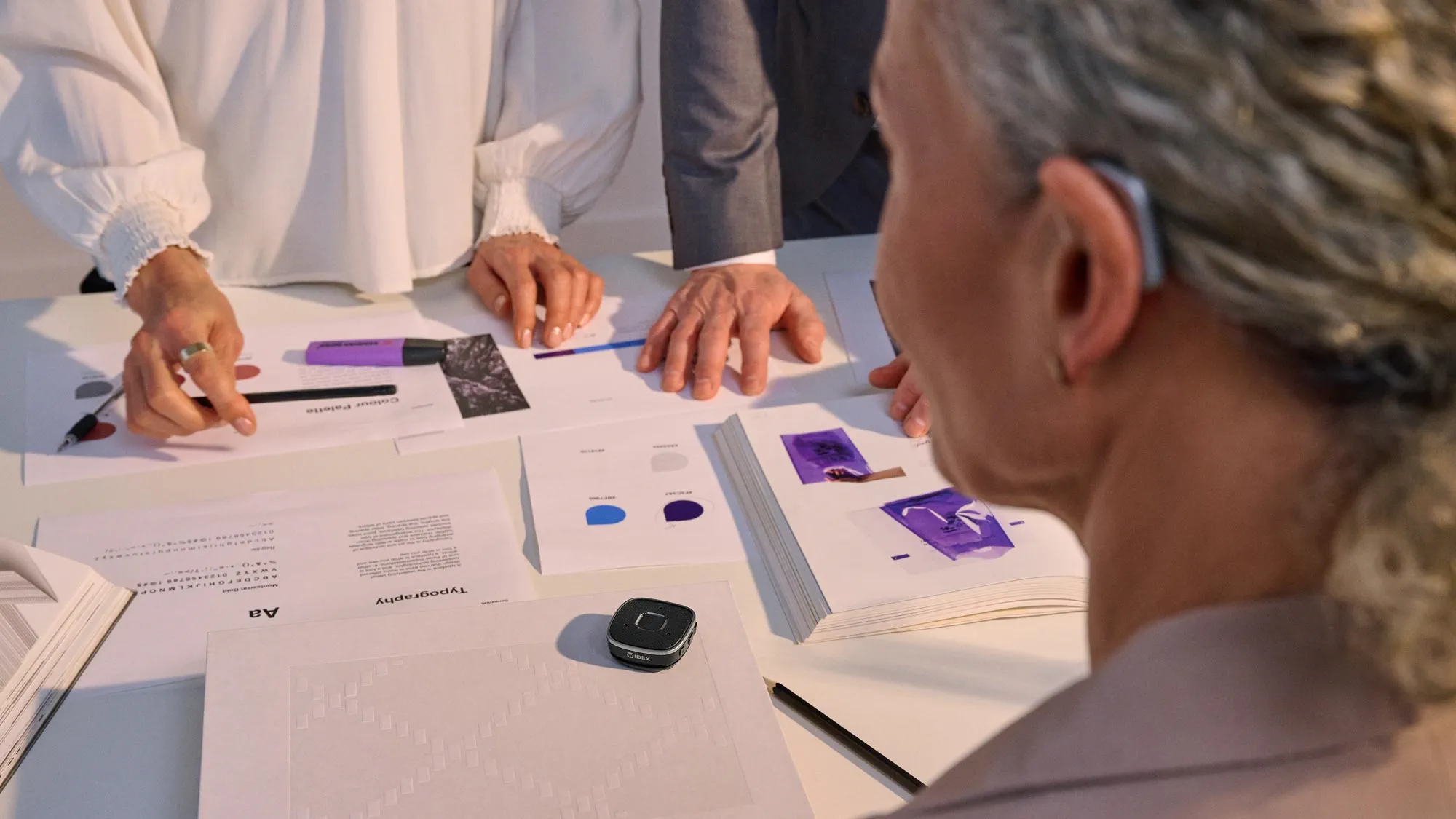
Prescription hearing aids are required for safe treatment. They’re programmed by a specialist for your specific hearing loss, protecting your remaining hearing while providing maximum speech clarity.

Final Thoughts
Severe hearing loss requires more than a basic solution. The right hearing aid combines high-power amplification, advanced clarity and noise reduction, and personalization to help you stay connected.
The best next step is getting a professional hearing evaluation and fitting. A specialist will help you choose hearing aids that match your exact hearing needs, budget, and lifestyle.
Don’t let severe hearing loss keep you on the sidelines. Schedule your free hearing screening at a HearUSA center near you today.
FAQs
Frequently Asked Questions
What is severe hearing loss?
Severe hearing loss is when you’re unable to hear most speech without hearing aids. This means you can’t hear sounds below 71-90 dB (decibels).
Profound hearing loss is when you can’t hear most sounds, including speech, without hearing devices. This means you can’t hear sounds below 91 dB (decibels).
Can hearing aids help severe hearing loss?
What is the best hearing aid style for severe hearing loss?
Are OTC hearing aids strong enough for severe hearing loss?
Can I try hearing aids for free?
Sources:
American Speech-Language-Hearing Association: https://www.asha.org/public/hearing/severe-hearing-loss/