How we can help
On this page:

Understanding the Different Types of Hearing Aids

Hearing Aid Styles

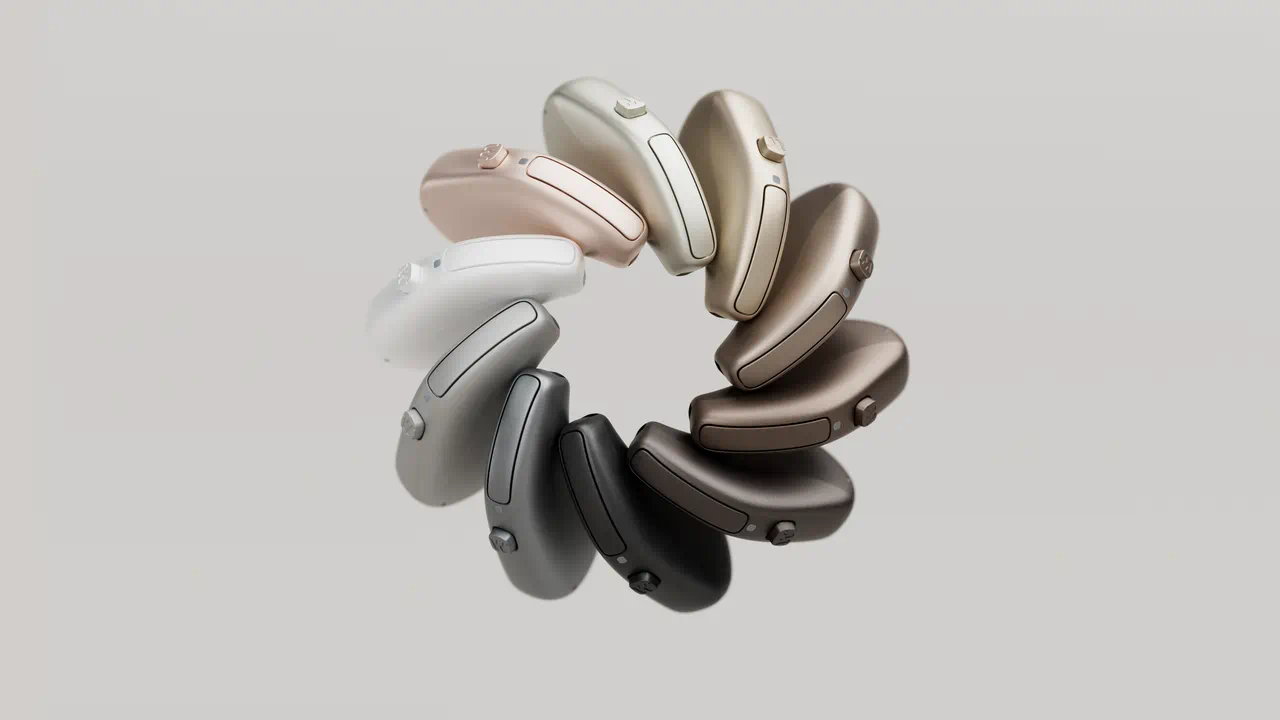
Modern hearing devices are available in several hearing aid categories, each designed to suit different levels of hearing loss and lifestyle preferences. Some models sit behind the ear, while others fit inside the ear canal or outer ear. The placement, size, and features of each design determine how discreet, powerful, and easy to use the device will be.

Exploring the various kinds of hearing aids can help you understand which technology may be right for you before meeting with a hearing care professional for personalized recommendations.

Book an appointment icon at HearUSA

Find the Right Hearing Aids for You
Take the first step toward better hearing with a free hearing screening at HearUSA.

Types of Hearing Aids

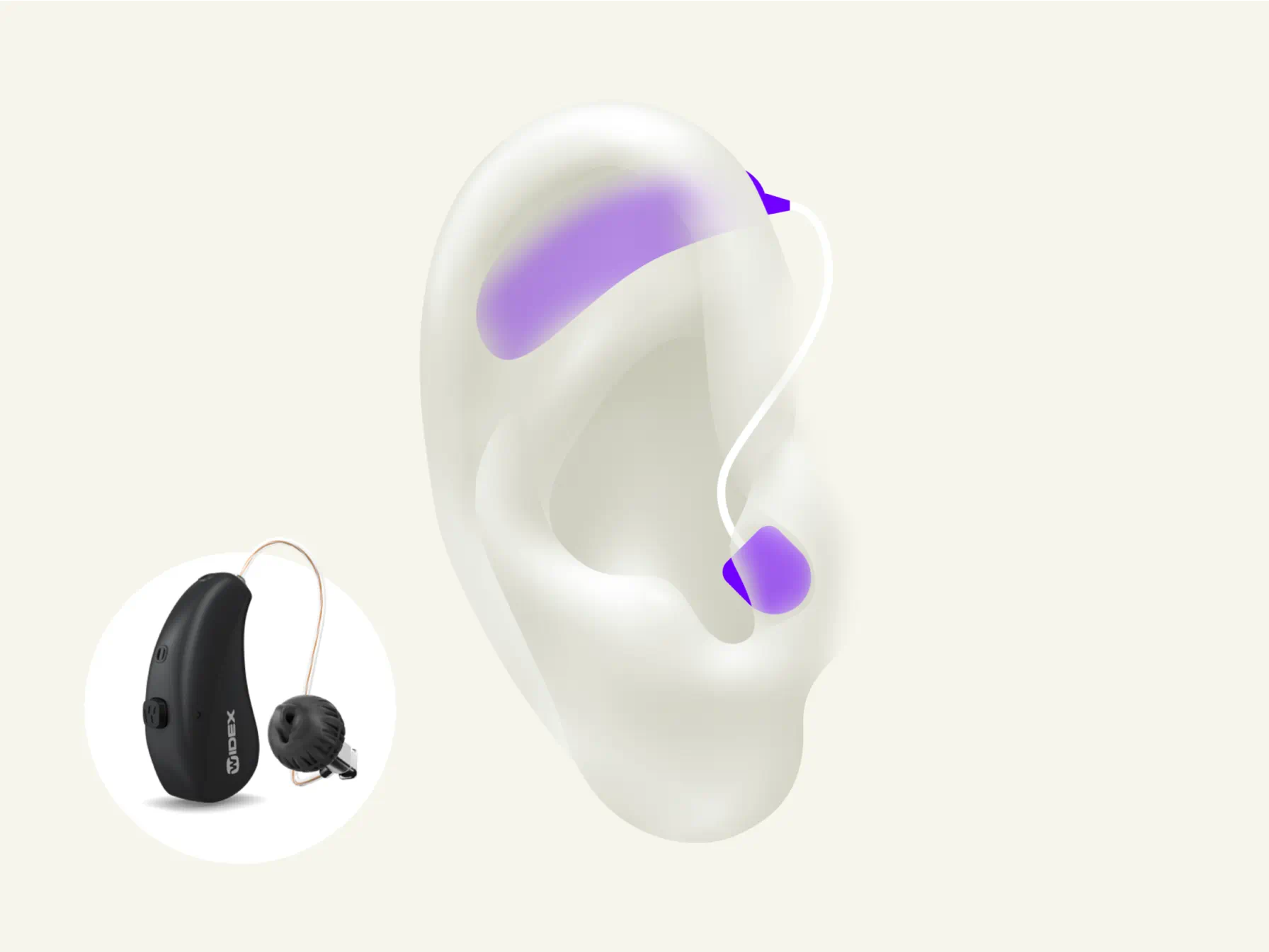
bte hearing aids

Behind-The-Ear (BTE)

  • Who it’s for: People with mild to profound hearing loss.
  • Fit: Sits behind the ear, with sound delivered into the ear through an earmold or earpiece.
  • Key benefits: Powerful, durable, easy to handle, and able to support advanced features and rechargeable batteries.
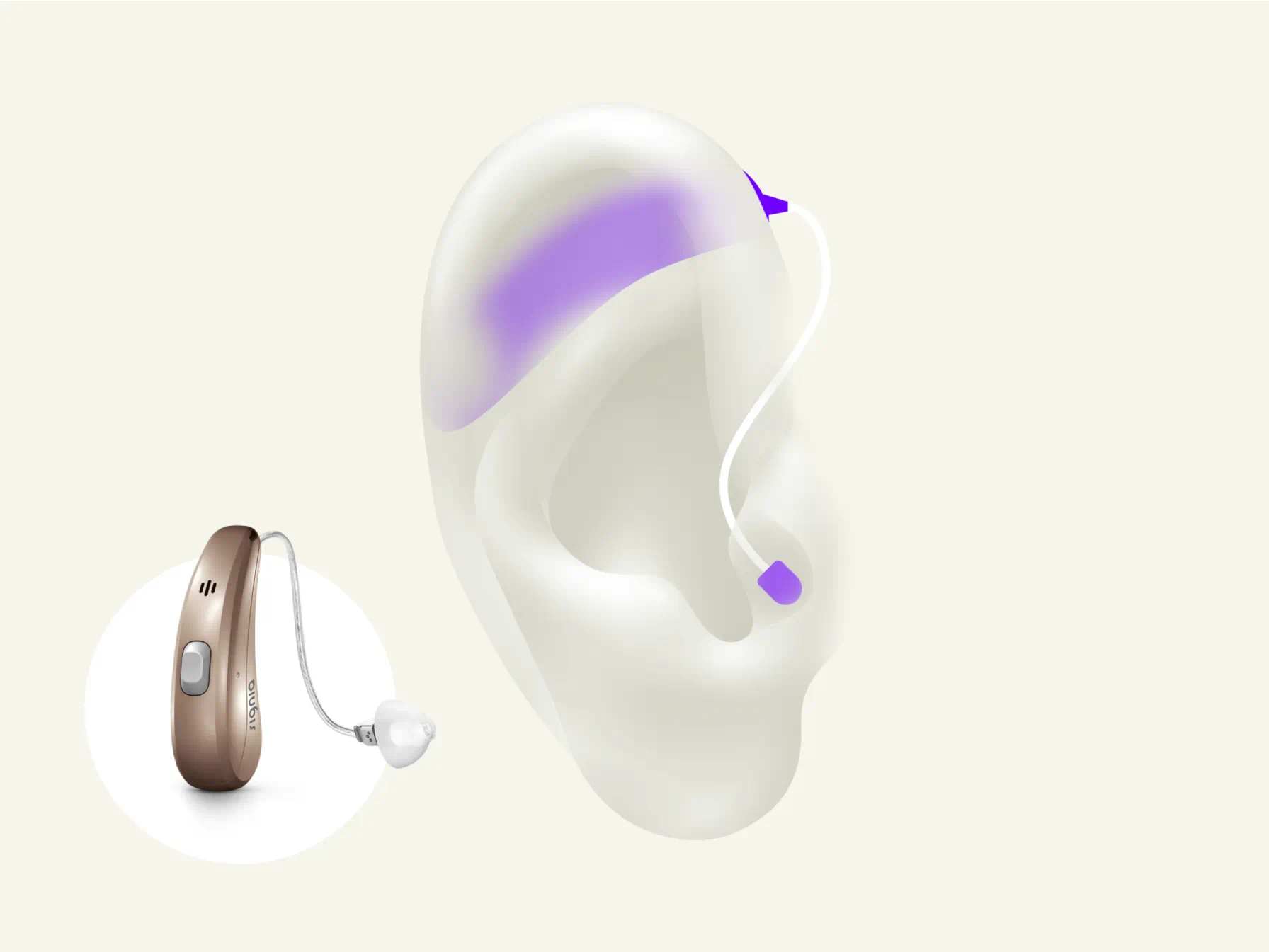
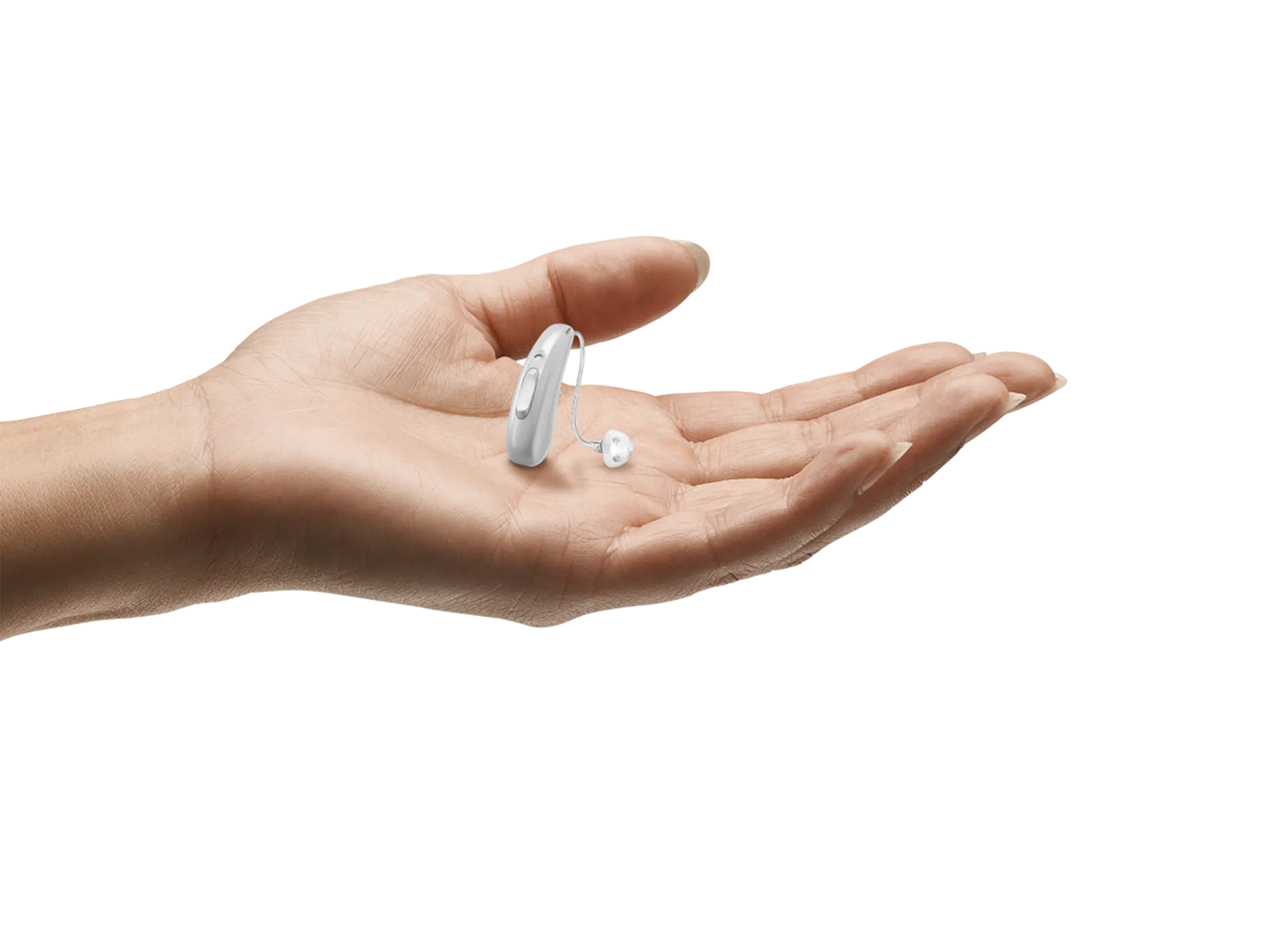
RIC hearing aids

Receiver-In-Canal (RIC)

  • Who it’s for: People with mild to severe hearing loss.
  • Fit: Sits behind the ear with a thin wire connecting to a small receiver in the ear canal.
  • Key benefits: Discreet, comfortable, and versatile, with advanced technology in a streamlined design.
cic hearing aids

In-The-Ear (ITE)

  • Who it’s for: People with mild to severe hearing loss.
  • Fit: Custom-made to fit within the outer portion of your ear.
  • Key benefits: Easy to handle and adjust, with more room for controls and features than smaller custom styles.
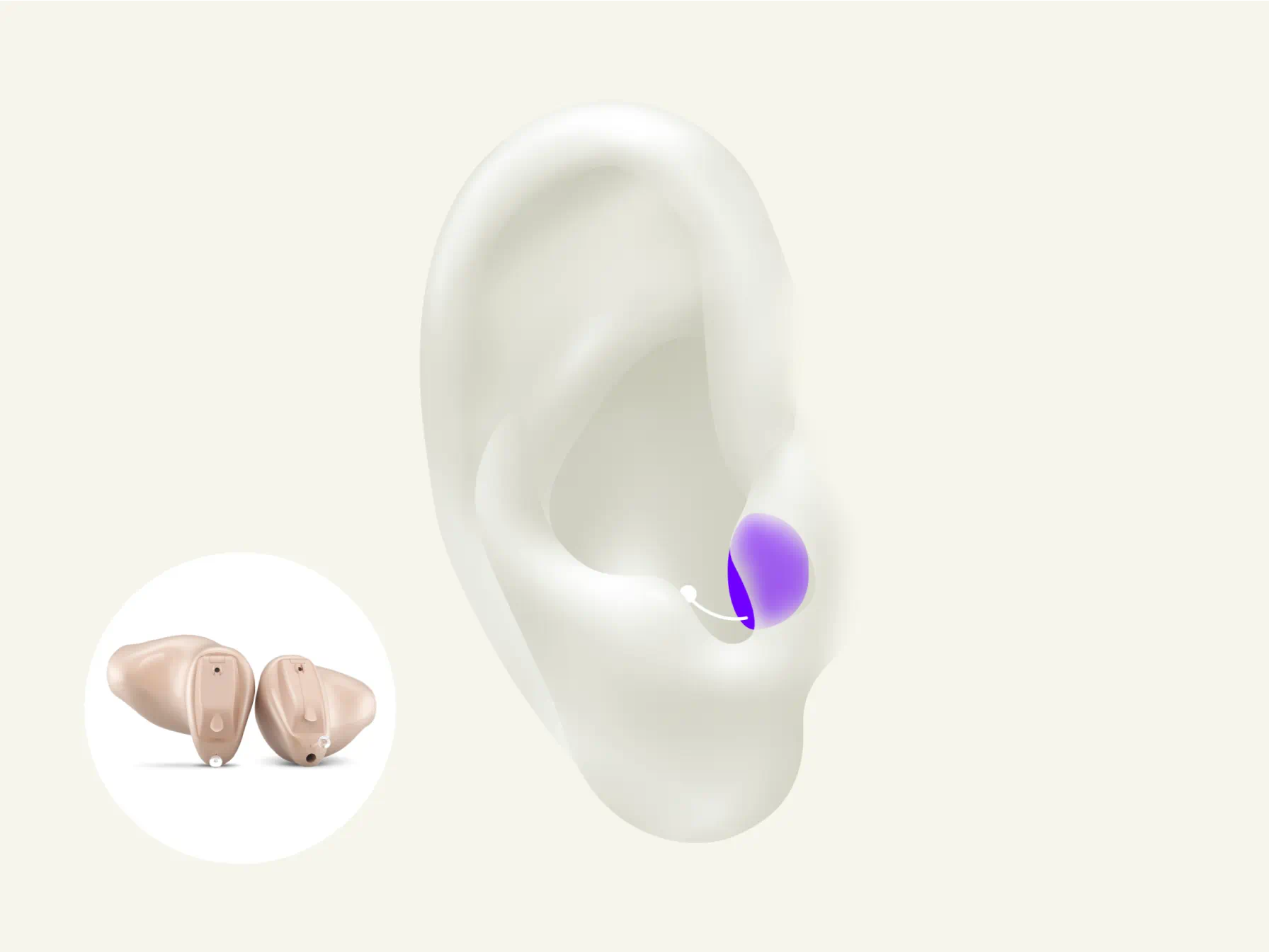
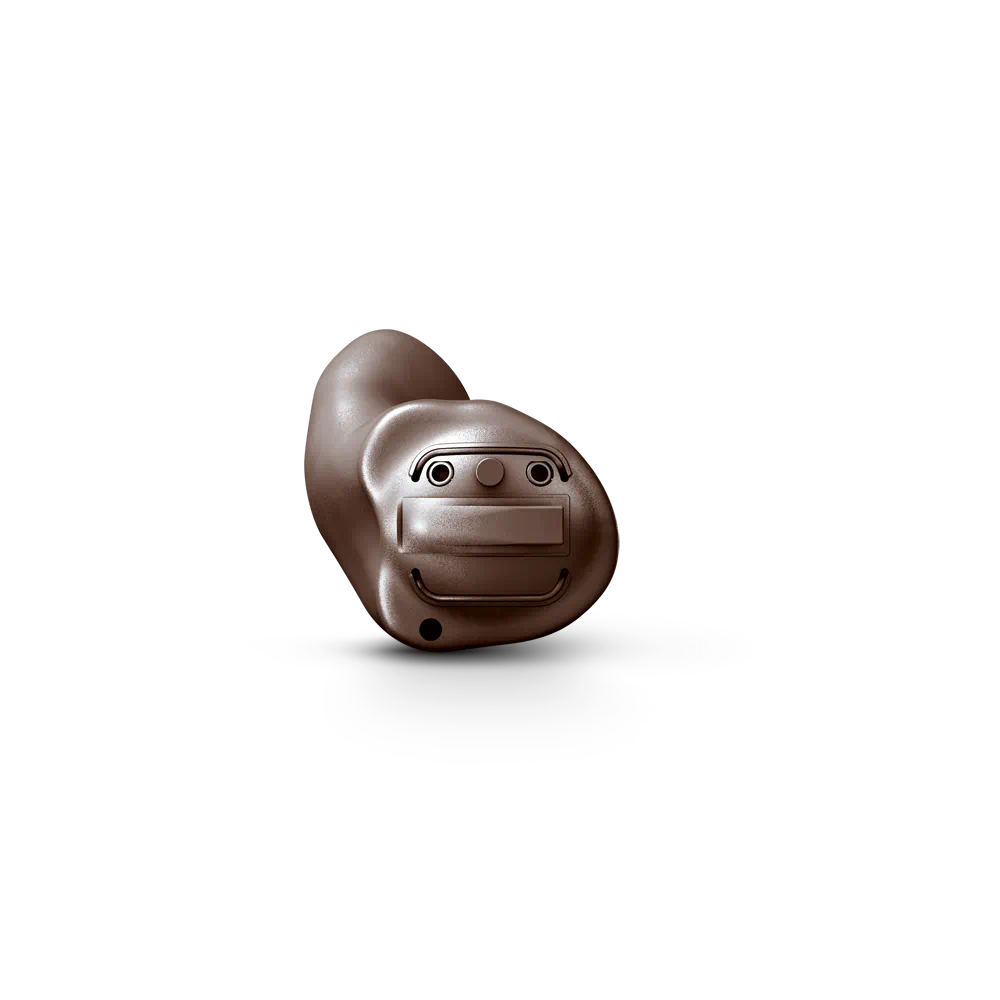
cic hearing aids

Completely-In-Canal (CIC)

  • Who it’s for: People with mild to moderate hearing loss.
  • Fit: Custom-made to sit almost completely inside the ear canal.
  • Key benefits: Small and discreet, offering a less visible alternative to larger hearing aid styles.
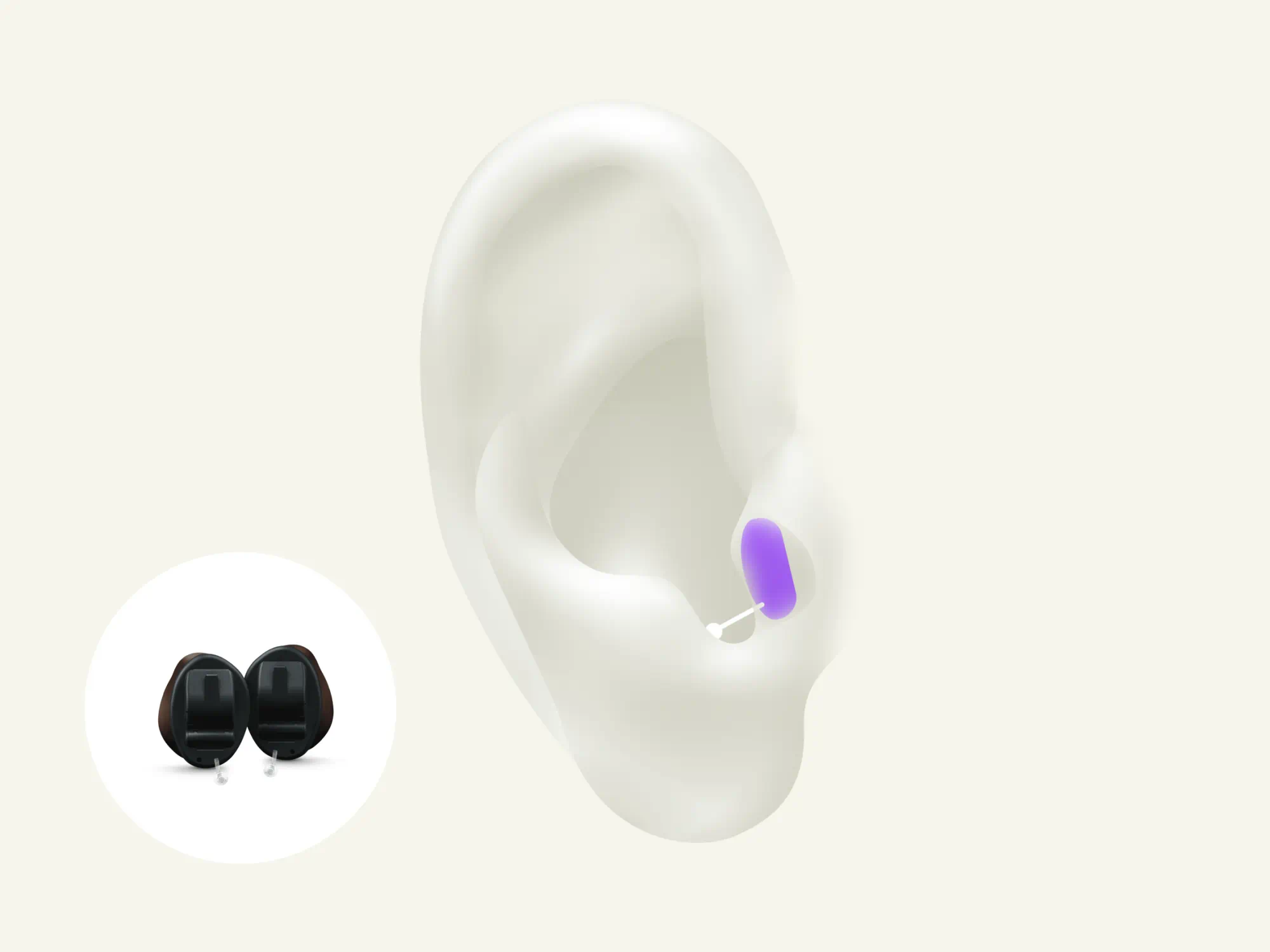
ICC

Invisible-In-Canal (IIC)

  • Who it’s for: Typically people with mild to moderate hearing loss.
  • Fit: Sits deep inside the ear canal, where it is barely visible when worn.
  • Key benefits: One of the smallest and most discreet hearing aid styles available.
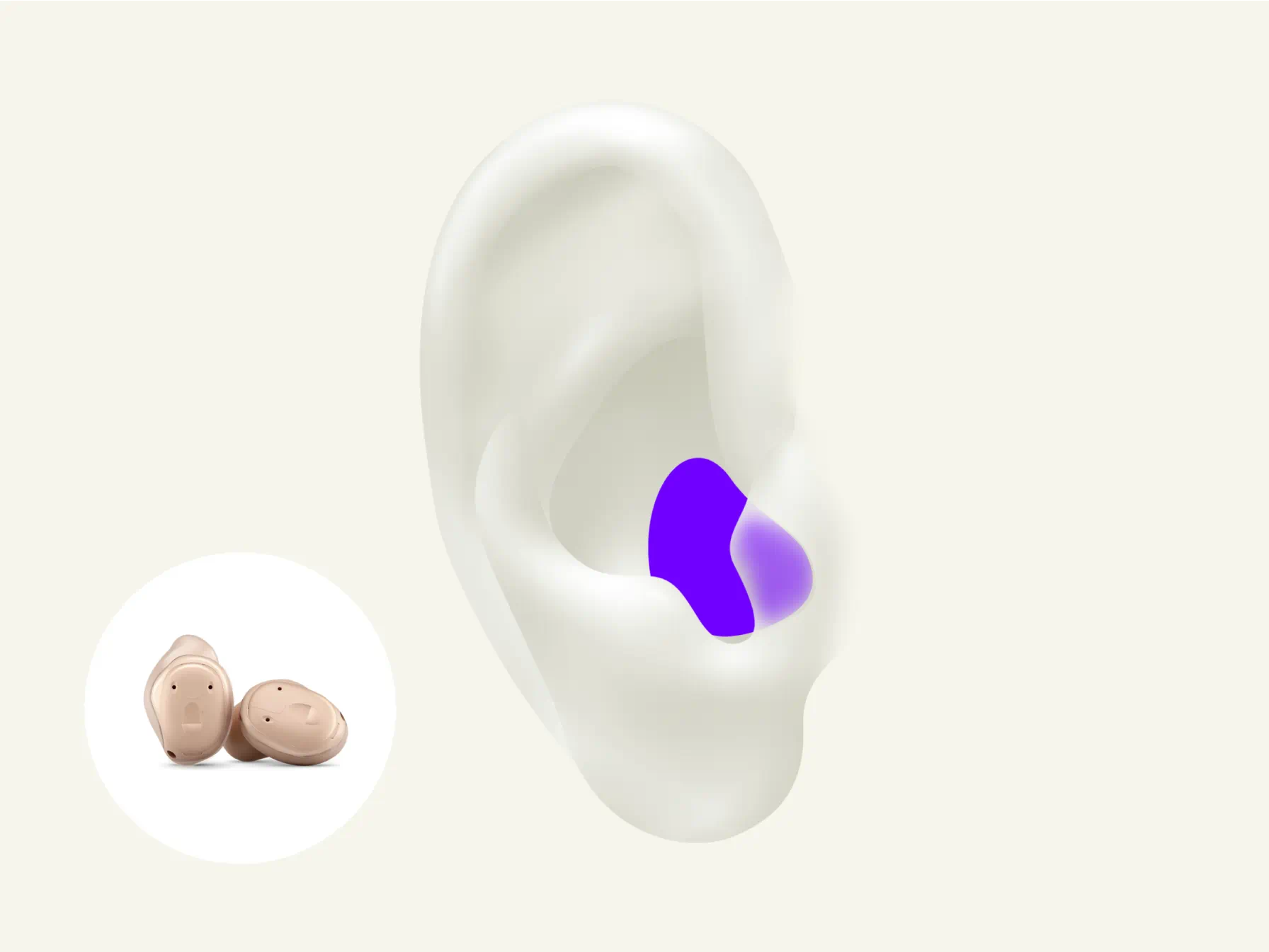
Signia Insio NX In-the-Canal

In-The-Canal (ITC) Hearing Aids

  • Who it’s for: People with mild to moderate hearing loss.
  • Fit: Custom-made to fit partly inside the ear canal, with a small portion visible in the outer ear.
  • Key benefits: Discreet and comfortable, while offering more room for controls and features than smaller canal styles.
woman smiling, holding hearing aids

Want a Closer Look at Your Options?

Compare RIC, BTE, and custom hearing aid styles in more detail, including how they fit, their key benefits, and what sets each type apart.
Compare hearing aid types

More Types of Hearing Aids

Hearing Aid Features and Specialty Options

  • Bluetooth hearing aids

    Smartphones, TVs, tablets—we live in a smart world. So, why shouldn't your hearing aid be? It's time to get connected. We are happy to show you how.

    Click to Learn More


  • CROS hearing aids

    Goodbye, one-sided world. With CROS hearing aids, you can experience all the sounds around you, not just those from your "good side." Learn how this hearing aid technology can help bring balance back to your hearing health.

    Click to Learn More


  • Digital hearing aids

    Funny how complexity can make life so much easier. Developments in digital hearing aids have taken these little devices from nice to have to can't live without. Ready to experience it for yourself?

    Click to Learn More


  • Hearing aids for tinnitus

    Advancements in hearing care have been nothing short of amazing, and that includes innovations in tinnitus care, too. Book an appointment with HearUSA today and learn how you can tackle your symptoms with the latest in tinnitus technology.

    Click to Learn More


  • Hearing aids for veterans

    Are you a veteran and think you might have a hearing loss or do you have a challenge with tinnitus? Come to one of our hearing centers for a complimentary hearing screening and a demo of our hearing devices - no strings attached.

    Click to Learn More


  • OTC hearing aids

    OTC hearing aids are self-fitting devices designed for adults with perceived mild to moderate hearing loss and can be purchased without a prescription.

    Click to Learn More


  • Rechargeable hearing aids

    Efficient, effective and environmentally friendly—what's not to love? Find out how rechargeable hearing aids can help recharge your routine and take your hearing experience to the next level.

    Click to Learn More


  • Smartphone hearing aids

    Smart devices: Pair your smartphone with your hearing aids.

    Click To Learn More


Your Guide to Choosing Hearing Aids

Choosing the right hearing aids starts with understanding your hearing and what matters most in your daily life. At HearUSA, we make the process simple:
  • 1.

    Start with a free hearing screening

    Get a better understanding of your hearing and identify any areas that may need attention.
  • 2.

    Talk with a Hearing Care Professional

    Discuss your hearing needs, lifestyle, preferences, and the situations where you want to hear more clearly.
  • 3.

    Explore your hearing aid options

    Compare professionally fitted hearing aids, styles, features, and technology to find a solution suited to your needs.

audiologist having conversation hearing loss

Not Sure Which Hearing Aid Is Right for You?

Find the Right Hearing Aids for Your Needs

With so many hearing aid options available today, finding the right one can feel overwhelming. Our hearing care providers will screen your hearing and recommend the best solution for your needs.
Book Your Free Hearing Screening

Hearing aids: FAQ

The best type of hearing aid depends on your degree of hearing loss, ear anatomy, lifestyle, and personal preferences. Some styles support a wider range of hearing loss than others, so a professional hearing screening can help determine which options are appropriate for your needs.
Larger hearing aid styles, such as behind-the-ear (BTE) and some receiver-in-canal (RIC) models, are generally easier to handle than smaller in-the-ear options. Their size can make inserting, removing, charging, and adjusting the devices easier, especially for people with dexterity or vision concerns.
Yes. A Hearing Care Professional can assess your hearing, discuss your lifestyle and preferences, and recommend hearing aid styles and features suited to your individual needs. They can also professionally fit and program your hearing aids for your hearing profile.
You can buy hearing aids at your nearest HearUSA hearing center, with the help of a Hearing Care Professional.
Most hearing aids, including at HearUSA, can be tested out and fitted to your ears in the same visit.
The cost of hearing aids varies greatly depending on the types of hearing aids, features and severity of hearing loss. It's important to remember hearing aids should be worn as a pair. They can range from $900 to $8,000 in total.

Prescription hearing aids are medical-grade devices fitted by a professional with a doctor's prescription.

OTC (over-the-counter) hearing aids are pre-programmed, FDA-approved, and sold without a prescription. They suit adults with mild to moderate hearing loss.

This OTC vs prescription hearing aids comparison table explains the similarities and differences between premium, doctor-prescribed hearing aids and pre-programmed OTC hearing aids.


Talk to an expert in one of our hearing centers.

Book appointment

Have questions or need assistance?

Call us 855 252 5312

Find your nearest hearing center.

Rexton hearing aids is tested to demanding situations

Don't miss a beat

Sign up for our newsletter to stay informed and learn more about protecting and improving your hearing health.
Sign up